
Kang Muslim
- Human Behavior & Social Studies
- October 14, 2026
- 22 views
Prenatal exposure to paracetamol and the risk of autism and attention-deficit/hyperactivity disorder: An umbrella review and meta-meta-analysis
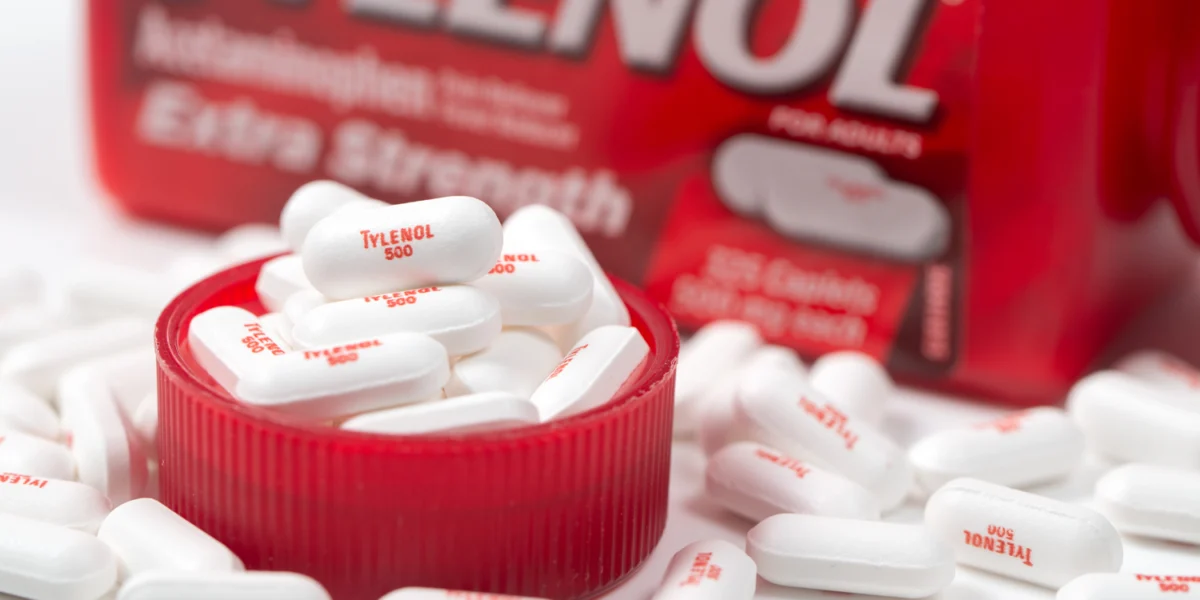
For decades, millions of expectant mothers worldwide have relied on acetaminophen—universally known as paracetamol and frequently purchased under brand names like Tylenol—as the standard first-line defense against pain and fevers.…

- Human Behavior & Social Studies
- October 9, 2026
- 21 views
Longitudinal associations among autism and ADHD traits, social maladjustment, and mental health in school-aged children
The developmental trajectories of children exhibiting traits of autism spectrum disorder (ASD) and attention-deficit/hyperactivity disorder (ADHD) are complex, dynamic, and deeply intertwined with their immediate social environments. A comprehensive, long-term…

- Human Behavior & Social Studies
- October 7, 2026
- 28 views
Neonatal Medical Male Circumcision and Child Autism Diagnosis
A comprehensive new study published in JAMA Pediatrics has found no empirical evidence connecting newborn male circumcision to an increased risk of developing autism spectrum disorder (ASD). Led by researchers…
Johny Marice
- Mental Health & Wellness
- October 4, 2026
- 28 views
Congenital TORCH Infections Linked to Significantly Higher Risks of Autism and Intellectual Disability According to New Karolinska Institutet Study
A comprehensive, long-term study conducted by researchers at the Karolinska Institutet and published in the journal JAMA Pediatrics has uncovered a compelling, statistically significant association between congenital infections transmitted from…
- Mental Health & Wellness
- October 3, 2026
- 26 views
This “rare” autism-linked genetic disorder may be far more common than scientists thought
This finding, published in the peer-reviewed journal Autism Research, represents a seismic shift in how the medical community views Phelan-McDermid syndrome (PMS). By leveraging data from nearly 180,000 individuals who…
- Human Behavior & Social Studies
- September 27, 2026
- 32 views
Decoding the Autism Surge: Separating Biological Reality from Shifting Diagnostic Criteria
The global conversation surrounding autism spectrum disorder (ASD) has reached a critical juncture. Over the past few decades, public health data has charted an astonishing upward trajectory in autism diagnoses,…
- Mental Health & Wellness
- September 26, 2026
- 25 views
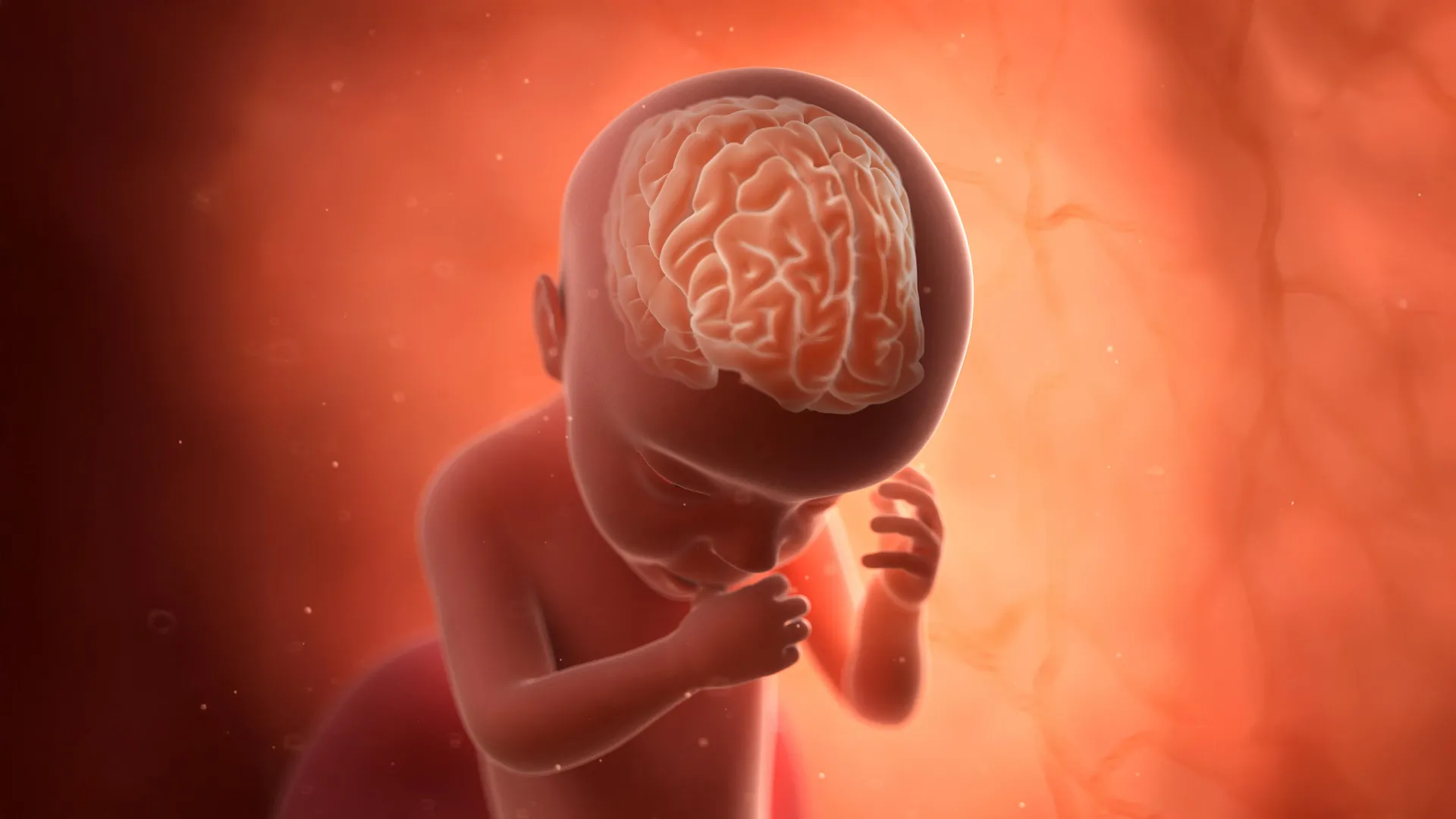
Rare pregnancy infections may triple the risk of autism
A comprehensive longitudinal study conducted by researchers at the Karolinska Institutet and published in the journal JAMA Pediatrics has established a definitive statistical link between congenital TORCH infections—a group of…
- Mental Health & Wellness
- June 19, 2026
- 49 views
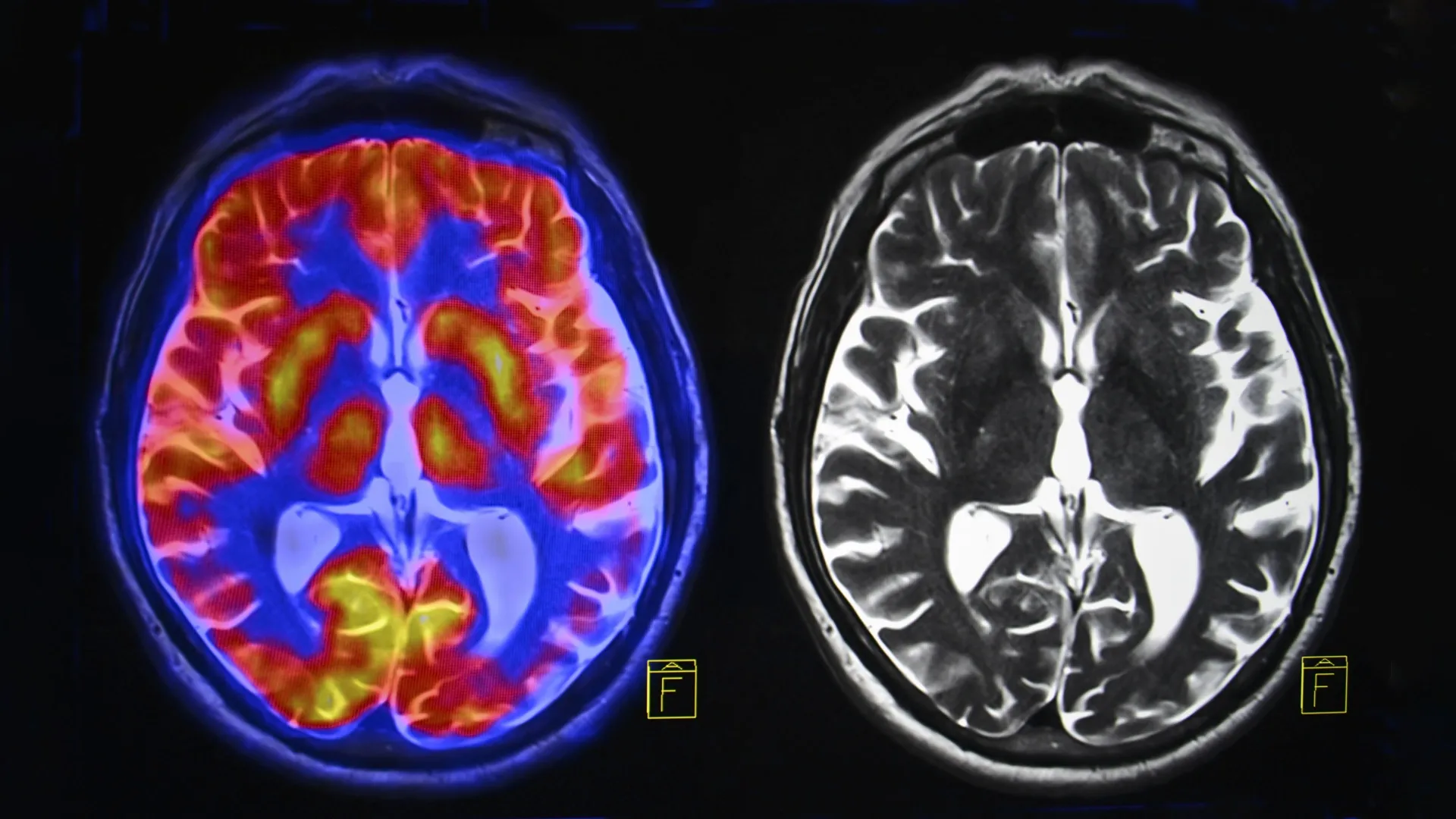
Autism May Encompass at Least Two Distinct Biological Subtypes Defined by Brain Communication Patterns
An international consortium of scientists has unveiled compelling evidence suggesting that autism spectrum disorder (ASD) is not a monolithic condition but rather encompasses at least two discernible biological subtypes. These…
- Mental Health & Wellness
- June 6, 2026
- 56 views
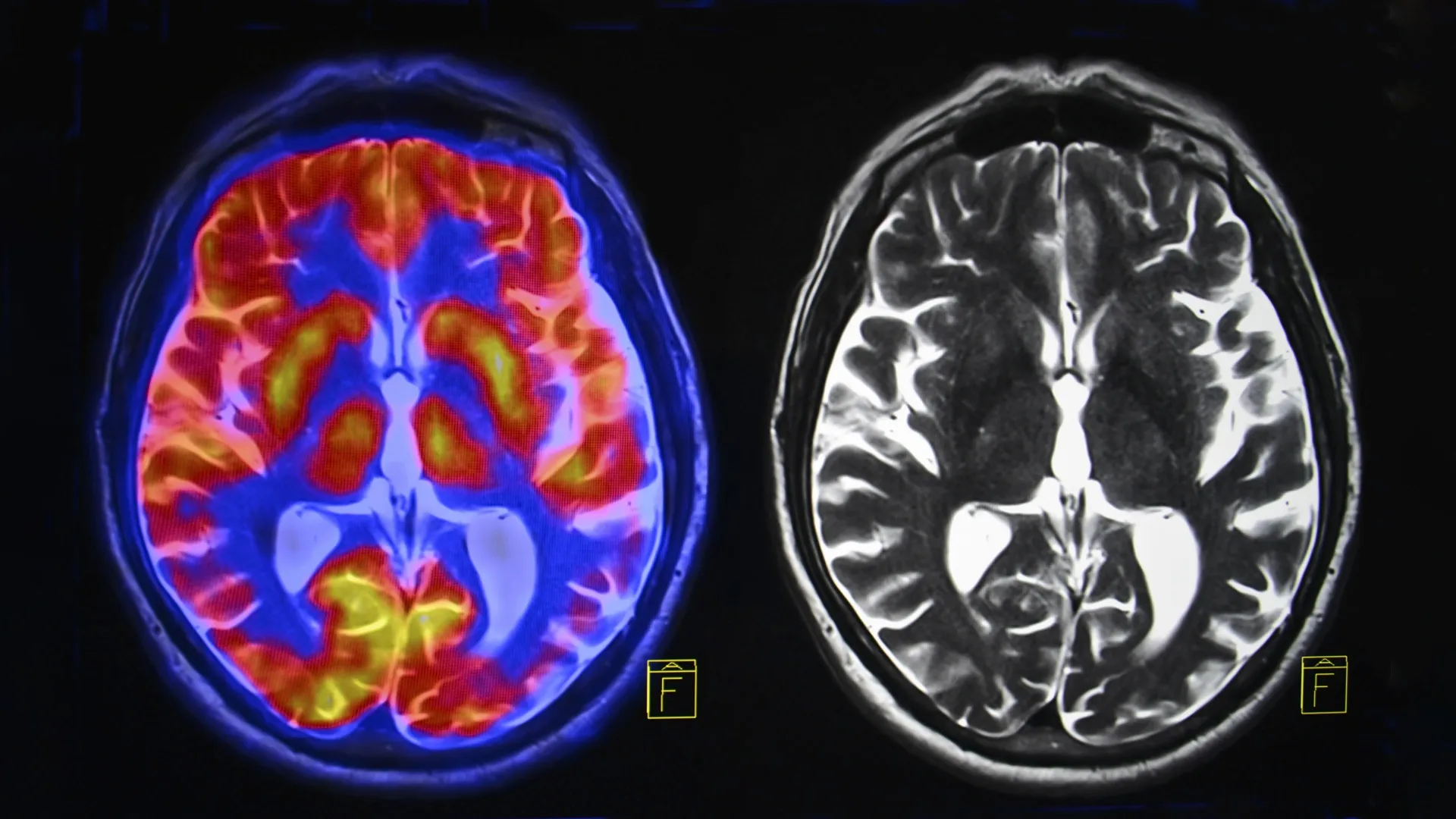
Autism May Be Defined by Distinct Brain Connectivity Patterns, Revealing Potential Biological Subtypes
An international consortium of leading neuroscientists has unveiled compelling evidence suggesting that autism may not be a monolithic condition, but rather encompasses at least two distinct biological subtypes. This groundbreaking…
- Mental Health & Wellness
- June 4, 2026
- 51 views
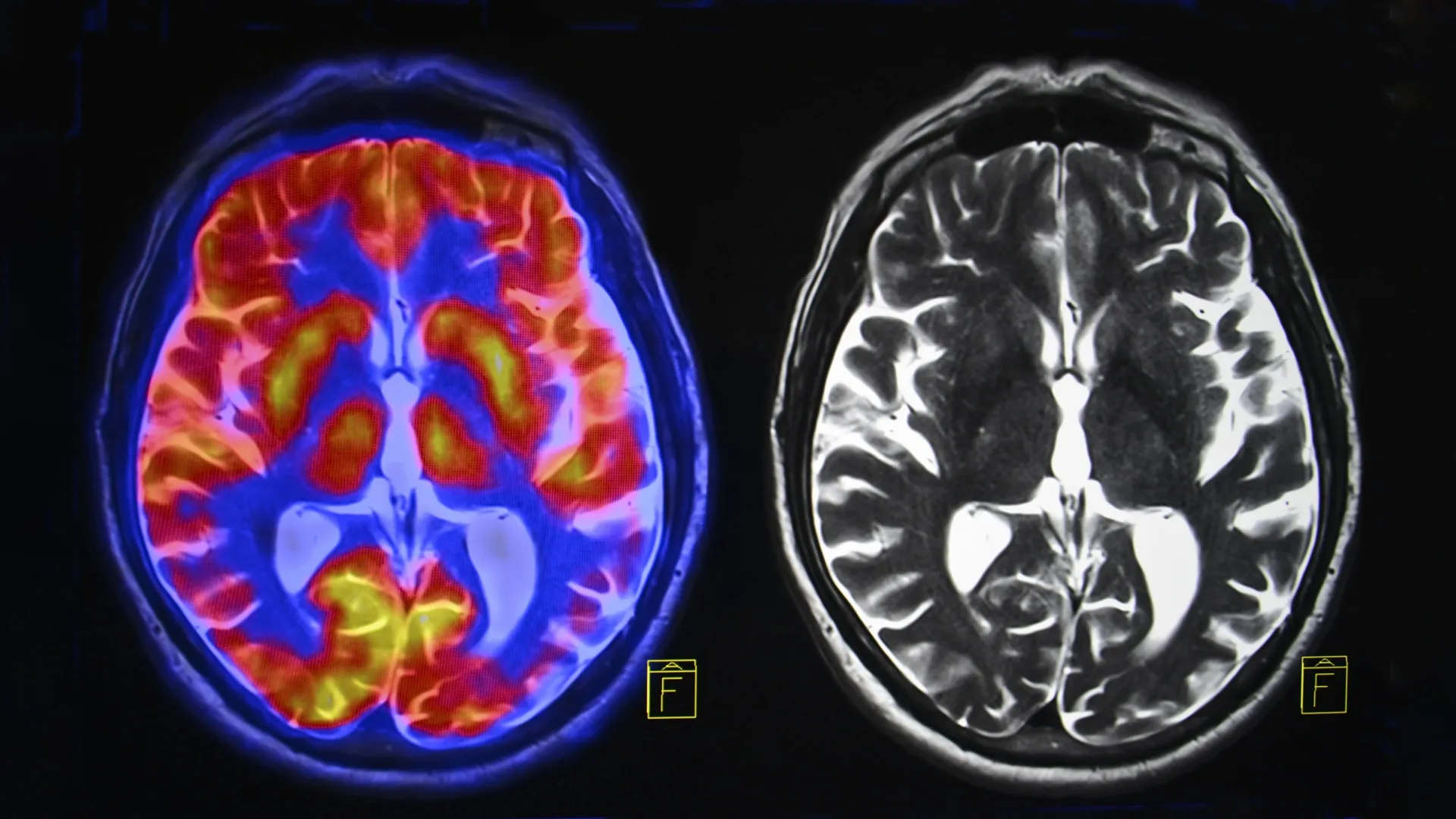
Autism May Be Defined by Distinct Brain Connectivity Patterns, Revealing at Least Two Biological Subtypes
An international team of scientists has unveiled compelling evidence suggesting that autism, a complex neurodevelopmental condition, may not be a monolithic entity but rather encompasses at least two distinct biological…






