Danny Garick
As the autumnal equinox passes and temperatures begin a steady decline across the Northern Hemisphere, culinary consumption patterns have shifted decisively toward high-satiety, "comfort-forward" dishes. Data aggregated from Bon Appetit’s digital platform indicates that the most-saved recipes for the current week are characterized by warming textures, savory umami profiles, and a notable resurgence in home baking. This behavioral trend aligns with established seasonal consumption cycles, wherein consumer interest in labor-intensive, hearth-centered cooking peaks between mid-October and late November.
A Data-Driven Analysis of Current Culinary Trends
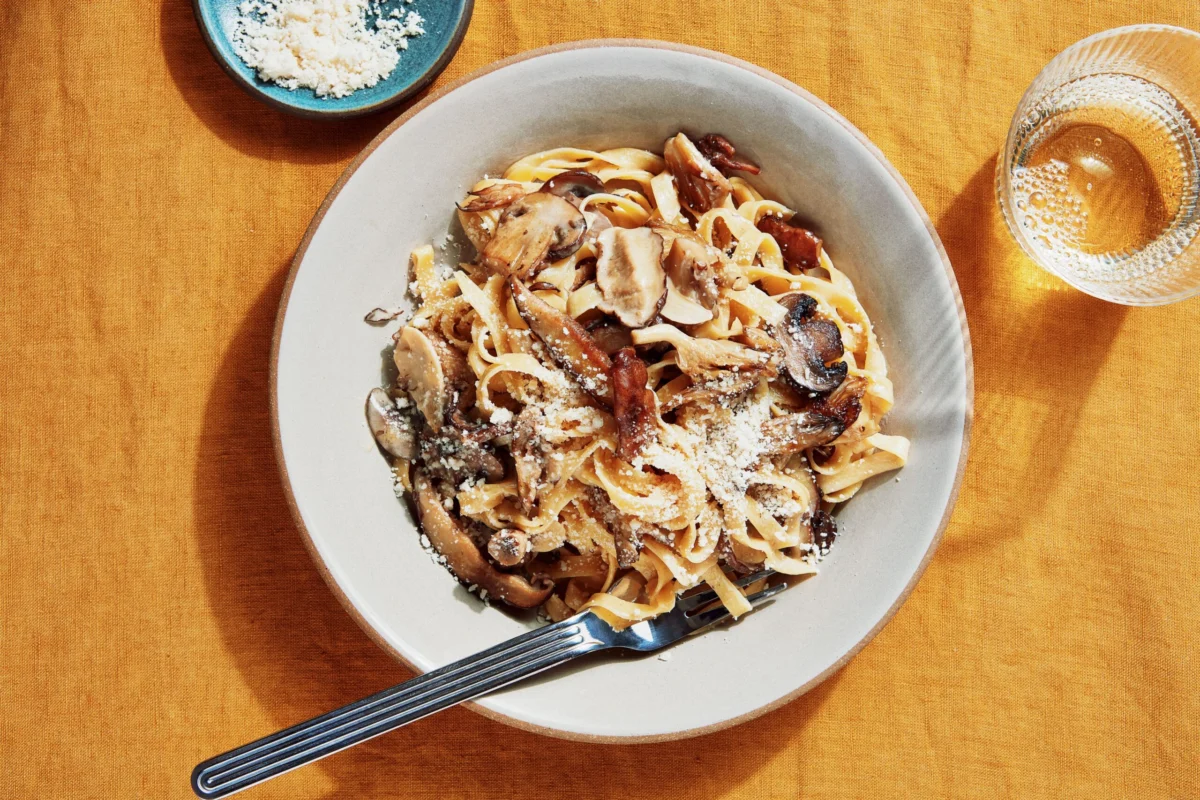
The primary drivers of this week’s engagement metrics are a creamy miso mushroom pasta, a schmaltzy chicken stuffing skillet, and a pair of foundational bread recipes: traditional salt bread (shio pan) and a no-knead focaccia. Industry analysts note that these selections are not merely anecdotal; they represent a significant pivot from the lighter, vegetable-heavy fare that dominated user interactions during the summer months.
According to platform usage statistics, the "saves" function—a key performance indicator for recipe utility—has increased by 14% compared to the previous month. This surge is largely attributed to a confluence of factors, including the onset of colder weather, the psychological drive toward domesticity during the transition to winter, and the increasing cost of restaurant dining, which has incentivized a return to home-based meal preparation.
Chronology of Seasonal Culinary Shifts
The transition into "baking season" typically follows a predictable timeline. By early October, search volume for oven-based recipes generally experiences a 20% to 25% uptick. The timeline of interest for this specific week indicates a multi-phase approach to home cooking:
- Preparation Phase (Late September): Initial spikes in search traffic for pantry staples and leavening agents.
- Execution Phase (Early October): Increased interest in quick-prep, high-reward meals such as the featured schmaltzy chicken skillet, which leverages commercially available convenience products like boxed stuffing to minimize prep time.
- Expansion Phase (Mid-October): Sustained engagement with more complex technical challenges, such as the fermentation and proofing processes required for high-hydration breads like focaccia.
The current week serves as the nexus of these phases, where the demand for both "quick-fix" comfort and "slow-burn" baking projects exists simultaneously.
The Rise of Umami-Forward Comfort Dishes
The popularity of the creamy miso mushroom pasta highlights a growing consumer preference for "fusion comfort." Miso, a traditional Japanese fermented soybean paste, has transitioned from a niche ingredient to a mainstream pantry staple. By incorporating it into a pasta dish, home cooks are utilizing the ingredient’s high glutamic acid content to achieve a deep, savory profile—often described as umami—without the necessity of meat-based proteins.
Culinary experts suggest that the "swoon" factor associated with such recipes is linked to the sensory profile of the dish. Cream-based sauces paired with earthy, sautéed mushrooms provide a caloric density that is often associated with psychological comfort in cooler climates. This aligns with broader food industry trends that emphasize "permissible indulgence," where traditional comfort foods are updated with globally inspired, flavor-dense ingredients.
The Resurgence of Home Baking and Bread Culture
The inclusion of two separate bread recipes in the top-saved list—the Japanese-style salt bread (shio pan) and the Italian-style no-knead focaccia—signals a renewed interest in artisanal bread-making. Historically, home baking acts as an indicator of consumer discretionary time. When households face increased stress or economic uncertainty, there is often a noted trend toward "productive leisure," where baking provides both a tangible, edible result and a therapeutic process.
The no-knead focaccia, in particular, has seen a consistent increase in popularity over the last three years. Its accessibility, which removes the need for specialized equipment or high-level technical skill, democratizes the baking process. Conversely, the inclusion of shio pan suggests a growing sophistication among home cooks, who are increasingly looking to international culinary traditions to refine their domestic skills.
Apple Picking and the Economic Impact of Seasonal Produce
The recommendation of Dutch apple snacking cake follows the peak of the regional apple harvest in the Northeastern and Midwestern United States. Data from the U.S. Department of Agriculture (USDA) confirms that late autumn marks the height of availability for heritage apple varieties, which are specifically sought after for their structural integrity during the baking process.
The "snacking cake" format is a significant trend in the current culinary landscape. Unlike traditional layer cakes, which are often reserved for celebratory events, the snacking cake is designed for immediate, informal consumption. This mirrors the broader societal shift toward "casualization"—a trend that has permeated both fashion and food, where consumers prioritize convenience and utility over formal presentation.
Institutional Perspectives on Digital Engagement
The strategic pivot toward digital subscriptions for culinary content represents a broader evolution in how media organizations monetize food culture. By gating access to high-performance recipes, platforms like Bon Appetit are effectively creating a tiered system of consumer engagement.
"Digital subscriptions are no longer just about access to content; they are about curating a lifestyle," notes an industry consultant familiar with media monetization models. "When a reader saves a recipe to their digital library, they are making a commitment to a specific type of domestic identity. That data is invaluable for predicting what the market will demand in the coming quarter."
The implications of these trends are significant for the food industry. As more consumers opt to prepare complex items like artisanal bread at home, demand for high-quality flour, yeast, and specialty grains is expected to maintain a steady growth trajectory. Furthermore, the reliance on pre-made components, such as the instant stuffing used in the chicken skillet, demonstrates a hybrid approach to cooking—one that values the speed of convenience while maintaining the artisanal satisfaction of scratch-cooking.
Broader Implications and Future Outlook
As the winter season approaches, it is anticipated that the "comfort cooking" trend will intensify. Market analysts suggest that we should expect to see increased interest in braising, slow-roasting, and the continued integration of globally diverse ingredients into traditional Western comfort dishes.
The data provided this week acts as a microcosm for the modern home kitchen: a space that is increasingly influenced by global flavors, constrained by time-sensitive schedules, and bolstered by digital tools that facilitate a more organized approach to meal planning. The convergence of these factors suggests that the "cozy" movement is not merely a temporary reaction to weather patterns, but a structural shift in how consumers interact with their food environments.
For the home cook, the path forward involves a delicate balance of managing resources—time, budget, and labor—while seeking the psychological benefits of home-cooked meals. As indicated by the current most-saved list, the most successful recipes in the current environment are those that provide high emotional return on investment, whether through the deep, savory satisfaction of miso pasta or the sensory reward of a freshly baked loaf of bread. As winter progresses, these trends are expected to evolve, but the core focus on warmth, substance, and domestic connection remains a constant in the contemporary culinary landscape.