Danny Garick
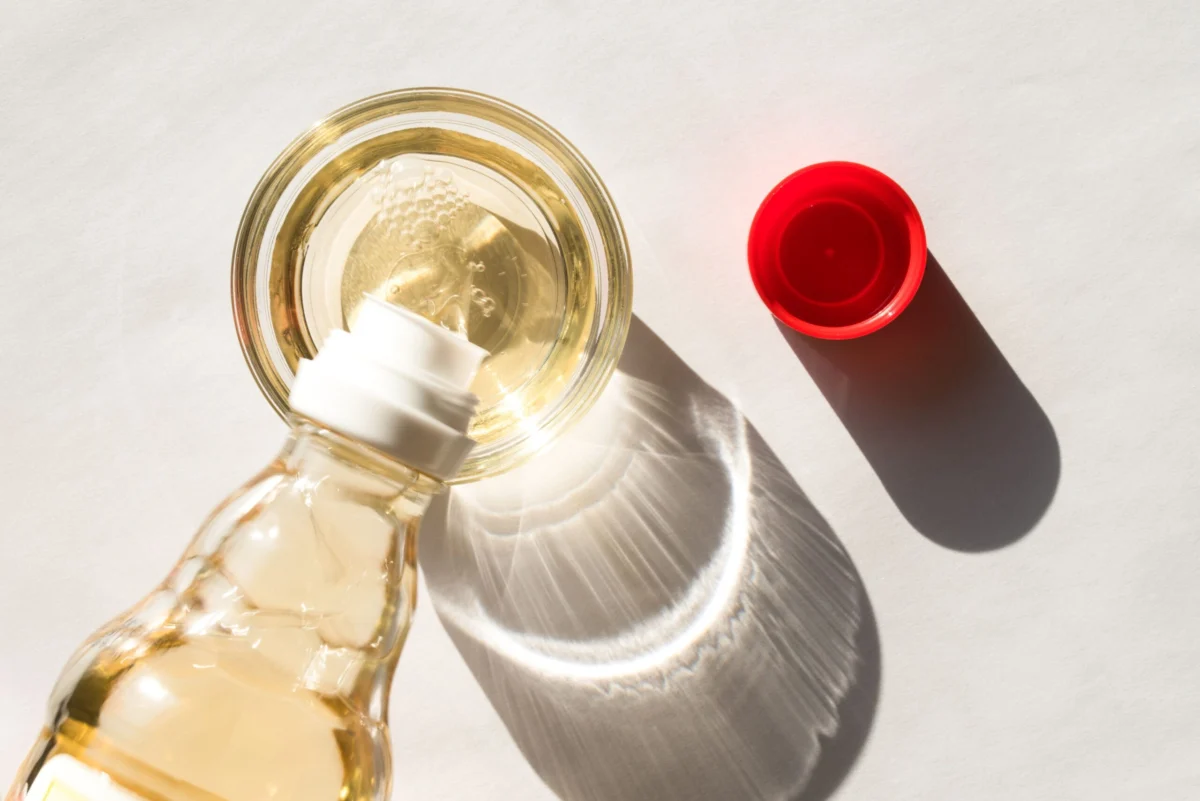
For those who have explored the depth of Japanese gastronomy, the distinct, sweet-savory profile of mirin is likely a familiar, if often misunderstood, sensation. As a cornerstone of traditional Japanese cooking, mirin serves as a foundational element alongside miso, soy sauce, dashi, and rice vinegar. It is the secret behind the complex richness of Japanese stocks, the glossy, appetizing sheen on teriyaki-glazed meats, and the balanced, nuanced flavor profiles found in countless stews and marinades. However, a significant divide exists between the authentic product, known as hon mirin, and the mass-market alternatives common in many Western supermarkets. Understanding this distinction is essential for home cooks and professionals alike who seek to elevate their dishes through the application of authentic Japanese culinary principles.
The Historical and Technical Foundations of Hon Mirin
To grasp the importance of authentic mirin, one must first look at its production. True hon mirin is a product of time and tradition, typically crafted from only three core ingredients: glutinous rice (mochi gome), koji (Aspergillus oryzae), and shochu, a traditional Japanese distilled spirit. The production process is a marvel of biochemistry. During fermentation, the enzymes present in the koji break down the complex starches of the glutinous rice into simple, natural sugars, primarily glucose. This process is what grants hon mirin its signature, elegant sweetness, which stands in stark contrast to the aggressive, one-dimensional sugar hit provided by white table sugar.

Historically, mirin was not merely a cooking ingredient; it was consumed as a luxury beverage, particularly during the Edo period. While its role has shifted primarily to the culinary sphere, its heritage remains evident in its composition. With an alcohol content (ABV) typically hovering around 14%, it shares a profile with many sake varieties. While it is no longer common to drink mirin as a beverage—with the exception of o-toso, a spiced, medicinal-style drink served during New Year’s celebrations—its alcohol content remains vital to its function in the kitchen.
The alcohol serves a dual purpose: it acts as a solvent to carry flavors into proteins and vegetables, and it plays a mechanical role in cooking. According to culinary experts and authors, the alcohol in mirin denatures proteins, allowing them to firm up slightly while retaining moisture. This hygroscopic property is why a mirin-based marinade or glaze results in a texture that is simultaneously succulent and tender.
The Market Divide: Hon Mirin vs. Aji-Mirin
A significant challenge for consumers in North America and Europe is the ubiquity of aji-mirin. The term, which translates to "tastes like mirin," signifies a modern, industrial shortcut. Unlike the fermented hon mirin, aji-mirin is typically a shelf-stable mixture of glucose or corn syrup, water, rice, salt, and varying levels of alcohol.

From a technical standpoint, the lack of natural fermentation means aji-mirin fails to provide the complex "koku" described by experts like Sonoko Sakai. Koku represents a holistic sensory experience—a depth of flavor and aroma that resonates on the palate and creates a sense of "roundness" in a finished dish. Because aji-mirin lacks the depth created by the natural enzymatic breakdown of rice, it often contributes a flat, sugary sweetness that can overwhelm the subtle umami of other ingredients. Furthermore, the lower alcohol content of these mass-market products means they do not possess the same protein-firming or moisture-retaining capabilities as their traditional counterparts.
Comparative Analysis: Mirin, Sake, and Rice Vinegar
A common point of confusion for novice cooks is the differentiation between mirin, sake, and rice vinegar. While all three are fundamental to Japanese cuisine, their chemical compositions and culinary roles are distinct.
Sake is brewed primarily for consumption, utilizing sake rice (sakamai) and relying on yeast to convert sugars into alcohol. Because it is intended for drinking, the market for sake is vast, offering a range of flavor profiles that are often too nuanced—or too expensive—to be used as a mere cooking vehicle. While sake is an essential cooking component, it lacks the concentrated, syrupy sweetness of mirin.

Rice vinegar, conversely, is the product of acetic acid fermentation. It provides the necessary acidity and tartness to cut through rich, fatty dishes or to balance dressings. Because of these fundamental differences, substituting rice vinegar mixed with sugar for mirin is rarely successful; the result is an overly acidic profile that misses the "rounded" sweetness and umami undercurrents that mirin provides.
Navigating Substitutions in the Modern Kitchen
While culinary purists strongly advocate for the use of authentic hon mirin, industry professionals acknowledge the practical realities of the home kitchen. For recipes that require the function of mirin without the immediate access to an artisanal bottle, the consensus among experts—including J. Kenji López-Alt—is to use a combination of sake and a sweetener.
The recommended ratio is typically two parts sake to one part sugar. This mixture provides the alcohol necessary for the chemical reactions described previously while approximating the flavor profile of the original. For a more sophisticated substitute, some chefs utilize brown rice syrup or maple syrup, as these provide a more nuanced, earthier sweetness that mirrors the complexity of traditionally brewed mirin.

However, when opting for these substitutes, one must be wary of "cooking sake" sold in supermarkets. These products often contain high concentrations of added salt, which can easily ruin a dish that has already been seasoned with soy sauce or miso. Using a standard, dry, clear sake (seishu) is the safest and most effective approach.
Storage and Long-Term Stability
One of the logistical advantages of hon mirin is its remarkable shelf-stability. Due to the high sugar and alcohol content, it acts as a self-preserving medium. Unlike many other condiments that require refrigeration, hon mirin is best stored in a cool, dark cupboard. Refrigeration can lead to the crystallization of natural sugars, which, while not harmful, can alter the consistency of the liquid.
Consumers should always consult the specific labeling on aji-mirin or other mirin-style products, as their lower alcohol content and higher sugar additives may render them less shelf-stable, occasionally necessitating refrigeration after the seal is broken.

The Broader Impact on Global Culinary Trends
As interest in authentic Japanese home cooking continues to grow globally, the demand for high-quality, artisanal ingredients has spiked. The shift from "convenience" products like aji-mirin to "true" products like Fukuraijun or Mikawa hon mirin reflects a broader trend in the culinary world: a transition from simple flavor enhancement to an appreciation for the science and history of ingredient provenance.
The implications for the home cook are clear: by investing in authentic mirin, one is not just purchasing a sweetener; one is purchasing the structural integrity of a dish. Whether it is used to create a silky tare for ramen, a robust glaze for grilled salmon, or a subtle seasoning for a vegetable stir-fry, the use of genuine hon mirin facilitates a level of culinary balance that is difficult to replicate with industrial alternatives. As modern diets continue to lean toward the complex, savory-sweet profiles found in Japanese cuisine, the role of mirin as a fundamental, transformative agent remains secure, underscoring the enduring power of traditional fermentation in the contemporary kitchen.