Danny Garick
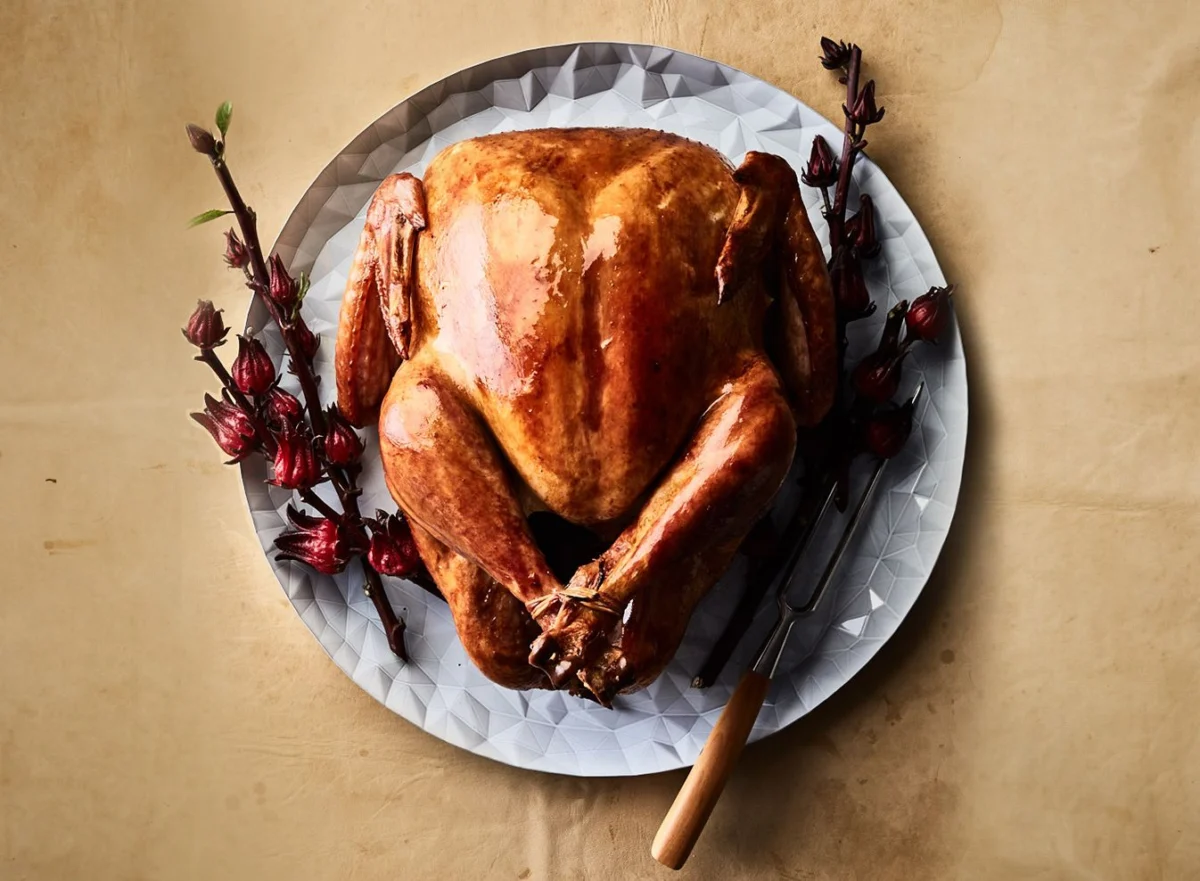
The logistical challenges of preparing a centerpiece poultry dish for the American Thanksgiving holiday often center on one primary constraint: refrigerator capacity. As households prepare for large-scale meal preparation, the necessity of thawing and brining a whole turkey frequently leads to significant kitchen congestion. Culinary expert Alton Brown has popularized a method that circumvents the limitations of domestic refrigeration by utilizing an insulated cooler for the wet-brining process. This technique, which involves submerging the bird in a saline solution within a temperature-controlled environment, has gained traction as a practical solution for home cooks seeking to ensure moisture retention and flavor depth in large birds.
The Mechanics of Wet Brining for Poultry
Wet brining functions on the principle of osmosis and protein denaturation. When a turkey is submerged in a solution of water, kosher salt, and aromatics, the concentration of salt outside the meat is higher than inside the muscle cells. Over a period of eight to twelve hours, the salt ions migrate into the muscle tissue. This process alters the structure of the muscle proteins, causing them to relax and trap water molecules more effectively.
According to food science research, this structural change prevents the rapid expulsion of moisture that typically occurs during the high-heat denaturation of roasting. By ensuring the turkey remains hydrated throughout the cooking process, the brine mitigates the risk of the meat becoming dry or stringy. The inclusion of sugar in the brine aids in the Maillard reaction—the chemical process that occurs during roasting to create a deep, golden-brown crust and complex flavor profile on the turkey skin.
Logistical Execution: The Cooler Method
The transition from a refrigerator-based brine to a cooler-based brine requires strict adherence to food safety protocols. The primary concern is the "danger zone," the temperature range between 40°F and 140°F where bacterial growth occurs most rapidly.
To execute this method safely, cooks must utilize a clean, food-grade insulated cooler. The turkey is placed inside, covered with the chilled brine solution, and monitored using a probe thermometer. To maintain a constant temperature at or below 40°F, sealed ice packs are recommended rather than loose ice, which would dilute the salinity of the brine and potentially introduce contaminants. This setup mirrors the controlled environment of a commercial cold-storage facility, providing the necessary conditions for safe preservation while freeing up interior refrigerator shelf space for other holiday essentials like side dishes and desserts.
Chronology and Preparation Timeline
A successful Thanksgiving roast requires a multi-day timeline.
- Procurement (4–5 days prior): Home cooks should secure an unbrined, whole turkey. Many commercially available birds are pre-treated with saline injections—often labeled as "enhanced" or "self-basting"—and adding a secondary brine to these products can result in an unpalatable, overly salty final product.
- Thawing (48 hours prior): The turkey must be completely thawed before brining. Attempting to brine a partially frozen bird will result in uneven salt distribution.
- Brining (12–18 hours prior to roasting): After the bird is thawed, it is submerged in the cooler brine. The optimal window for a 14–18 lb bird is between 8 and 12 hours.
- Drying and Tempering (2 hours prior to roasting): The bird must be removed from the brine and patted thoroughly dry with paper towels. Excess surface moisture is the enemy of a crisp skin.
- The Roast (Total cooking time varies): The initial phase involves a 500°F oven blast for 30–40 minutes to sear the skin, followed by a reduction in heat to 350°F to gently finish the cooking process.
Analytical Perspectives on Culinary Efficiency
The movement toward simplified, "hands-off" cooking methods reflects a broader trend in domestic culinary practices. In the context of large-scale holiday events, the efficiency of the oven is a critical variable. By eliminating the need for frequent basting—a process that requires opening the oven door repeatedly and causing significant temperature fluctuations—the cook maintains a consistent thermal environment.
Culinary analysts note that basting is often counterproductive; it lowers the oven temperature, introduces moisture that prevents skin crisping, and does not significantly contribute to internal hydration. By focusing on the initial brine, the home cook shifts the labor from the day of the event to the day before, effectively reducing stress and allowing for more precise management of the roasting schedule.
Risk Management and Food Safety Standards
Food safety organizations, including the USDA, emphasize that the turkey must be kept at 40°F or below throughout the entire brining process. The use of a cooler introduces variables that are not present in a static refrigerator. For instance, the insulating properties of the cooler vary by brand and model.
In response to the popularity of these "alternative cooling" methods, food safety experts advise that if a consumer cannot guarantee the maintenance of the 40°F threshold, they should default to the refrigerator. Furthermore, when handling raw poultry, cross-contamination is a primary concern. Surfaces, thermometers, and the cooler itself must be sanitized before and after contact with the raw bird to prevent the spread of pathogens such as Salmonella or Campylobacter.
Economic and Dietary Considerations
The rise in the cost of turkeys, coupled with the increasing complexity of holiday menus, has pushed many consumers toward more reliable cooking methods. A dry-brined turkey—which involves rubbing the bird with salt and aromatics and letting it sit uncovered in the refrigerator—is often cited as a simpler alternative for those who find the cooler method too labor-intensive or space-prohibitive.
Additionally, for smaller gatherings, the technique of "breaking down" a whole turkey into parts is gaining favor. This method, popularized by professional chefs like Chris Morocco, allows for different parts of the bird to be cooked to their specific internal temperature targets. Since the breast meat cooks significantly faster than the legs and thighs, separating them ensures that no part of the bird is sacrificed to overcooking in the pursuit of a whole-bird presentation.
Broader Implications for the Holiday Industry
The dissemination of these techniques through digital media and cooking platforms has significantly altered the traditional landscape of holiday meal preparation. As consumers have access to high-level culinary advice, the standard for a "successful" home-cooked meal has risen. This has led to a noticeable shift in the retail sector, with increased demand for high-quality, un-enhanced poultry and specialized kitchen equipment, such as reliable digital probe thermometers and food-safe, large-capacity storage containers.
The cooler-brining method remains a testament to the intersection of culinary science and domestic engineering. By understanding the chemical interactions between salt, water, and protein, and applying that knowledge through rigorous temperature management, the average home cook can achieve results that once required the infrastructure of a professional kitchen. As Thanksgiving continues to serve as the most significant culinary event for millions of households, the reliance on these proven, science-based methods is likely to persist, fostering a culture of informed and efficient holiday hospitality.