Danny Garick
The evolution of home brewing technology has transformed the morning coffee ritual from a simple utility into a precise, multifaceted craft. Central to this transition is the emergence of the high-performance milk frother, an appliance that has moved from a niche kitchen curiosity to a staple for consumers aiming to replicate the sophisticated textures of a commercial espresso bar. As the market for home coffee equipment continues to expand, the proliferation of frothing devices—ranging from basic handheld wands to complex, multi-preset induction carafes—has necessitated a rigorous evaluation of performance, durability, and user-centric design.

The technical evolution of home milk frothing
Historically, achieving the "microfoam" required for café-quality latte art was restricted to those who owned commercial-grade espresso machines with dedicated steam wands. These systems utilize pressurized steam to simultaneously heat and aerate milk, a process that requires significant skill to master. In contrast, modern electric milk frothers operate through mechanical agitation, using magnetic whisks or rotating paddles to incorporate air into liquid.
Recent industry data suggests that the home coffee appliance market is currently valued in the billions, driven largely by a shift in consumer behavior toward premium, customizable beverage experiences. Professional baristas note that the secret to high-quality foam lies in the delicate balance of temperature and protein structure. When milk is heated, the proteins unfold; if the temperature is managed correctly—typically between 140°F and 150°F—these proteins form a stable matrix that holds air bubbles, resulting in a glossy, elastic, and sweet-tasting microfoam. If temperatures exceed this threshold, the milk scalds, destroying the sugar structure and resulting in a flat, burnt flavor profile.

Comparative analysis of top-tier frothing devices
In a comprehensive assessment of 22 different models, testers evaluated performance metrics including foam density, stability, heating precision, and compatibility with various milk alternatives. The results highlight a clear stratification in the market.
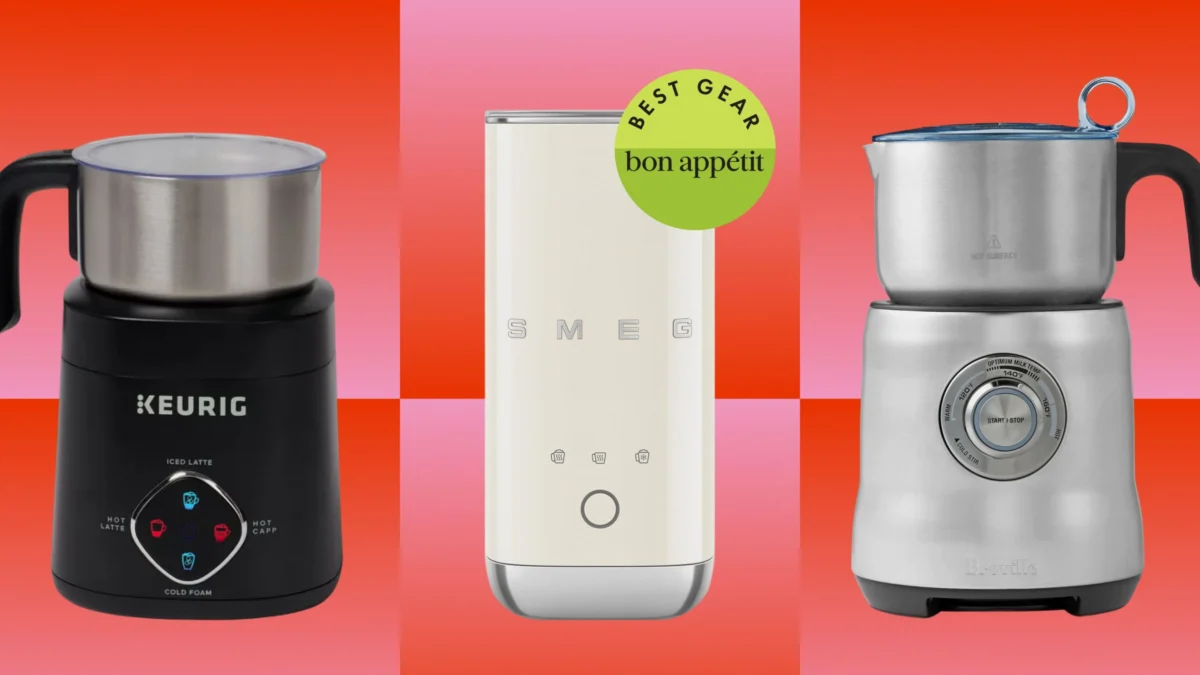
The Breville Milk Café stands out as the industry benchmark for home use. Utilizing an induction heating system, it offers precise temperature control, which is vital for preserving the natural sweetness of dairy and the structural integrity of oat milk. Unlike entry-level models, its ability to maintain a consistent temperature prevents the degradation of milk sugars, making it the preferred choice for those who prioritize the science of extraction.

For those requiring versatility in a mid-range price bracket, the Keurig K-Froth Hot and Cold Frother has emerged as a high-performing contender. The device distinguishes itself by including multiple specialized carafes, allowing for the separation of dairy and plant-based milks—a critical feature for households with dietary restrictions. Its performance in creating stable foam, even with low-fat or plant-based milks, suggests a significant advancement in the efficiency of mid-tier appliances.
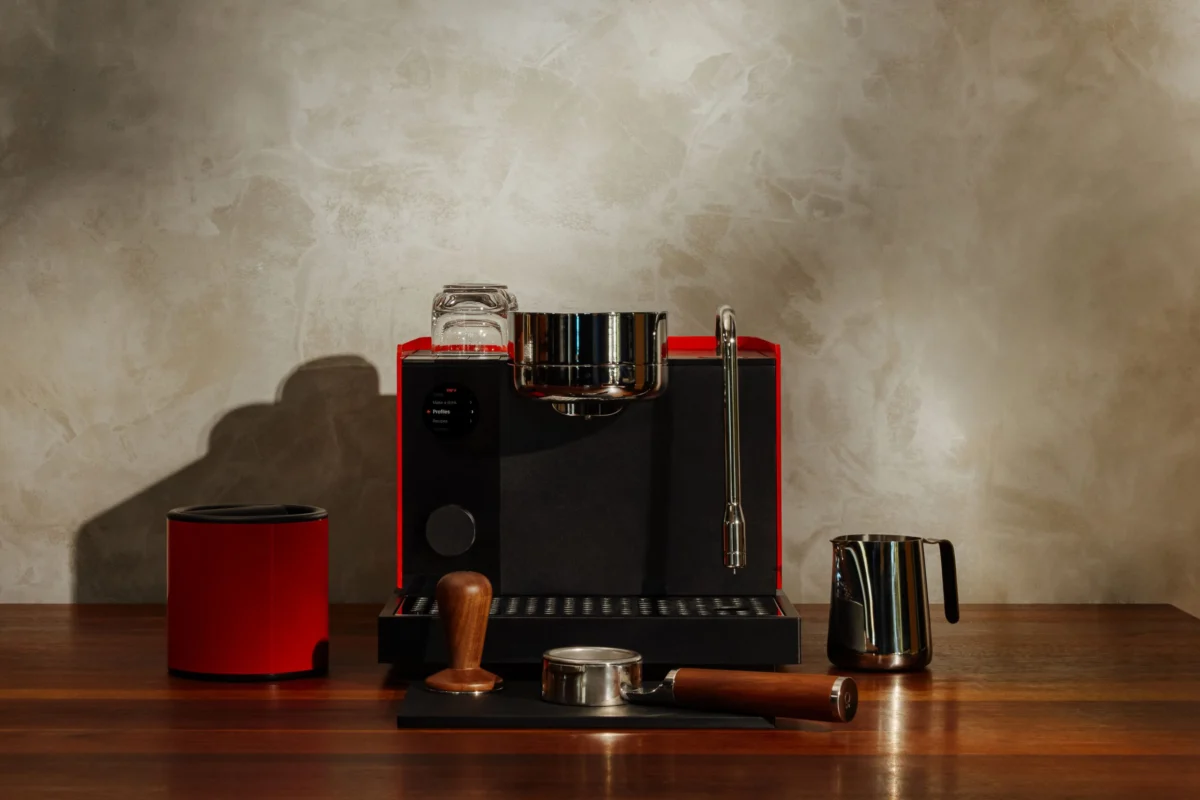
At the premium end of the spectrum, the Subminimal NanoFoamer PRO utilizes advanced microfoam technology. By employing magnetic flow controllers, it allows users to customize the aeration process to a degree previously unseen in consumer products. It is increasingly popular among hobbyists looking to bridge the gap between automatic convenience and manual artistic control.

Challenges in plant-based milk integration
A significant focus of recent testing was the performance of frothers when using plant-based alternatives. Oat milk, almond milk, and soy milk present unique challenges due to their differing fat and protein compositions compared to cow’s milk. Traditional frothers often struggle to create stable bubbles in these liquids, leading to the rapid collapse of foam.
The Maestri House DualFro Ultra has demonstrated a superior capacity for handling these complex liquids. Through the use of a flow-diverting mechanism, the device manages the aeration process to prevent the "soap-bubble" effect that often plagues inferior models. This is an important development, as the segment of consumers opting for plant-based milks continues to grow, putting pressure on manufacturers to optimize their equipment for non-dairy performance.

Practical considerations for the home consumer
When selecting a device, consumers are advised to consider their specific workflow. A study of current user habits indicates that while many consumers purchase feature-rich machines with dozens of presets, the majority eventually settle into a routine using only two or three settings.
Design footprint is another critical factor. Kitchen real estate is a premium in modern households, leading to a surge in demand for compact, multi-functional units. The Smeg Mini Milk Frother, for example, prioritizes aesthetic design and compact dimensions without sacrificing the ability to produce high-quality hot and cold foam. Conversely, the Instant Pot Instant MagicFroth 9-in-1, while slightly larger, offers the utility of a higher-capacity carafe, making it ideal for environments where multiple beverages are prepared in rapid succession.

Expert perspectives on the coffee industry
Professional baristas, including representatives from major specialty roasters like Sightglass Coffee, emphasize that while a frother is a significant upgrade from manual methods, it is merely one component of the beverage. The quality of the coffee base, the freshness of the beans, and the precision of the grinder remain the primary drivers of flavor.
According to experts, the rise of the at-home "barista" has led to an increased interest in the education behind the craft. Many manufacturers now include resources such as tutorials on latte art, signaling that the industry is shifting toward a model of partnership between hardware creators and coffee enthusiasts. This trend is expected to continue as the demand for high-end, customizable home coffee solutions persists.

Economic and market implications
The proliferation of these devices reflects a broader economic trend: the "café-at-home" movement. As inflation impacts the cost of out-of-home luxury goods, consumers are increasingly investing in durable, high-quality home equipment to reduce long-term expenditure. The high entry price of top-tier frothers is increasingly seen as a one-time capital investment that offsets the daily cost of purchasing lattes from commercial vendors.
Furthermore, the integration of smart technology into these appliances—such as the digital controls seen in the Dreo Baristamaker—suggests that the next wave of innovation will focus on connectivity. Future iterations are expected to feature integrated sensors that communicate with coffee machines to synchronize the brewing and frothing processes, ensuring perfect timing and temperature alignment.

Conclusion: Matching device to intent
The selection of a milk frother ultimately depends on the user’s commitment to the craft. Casual users who desire a quick, reliable way to enhance a morning drip coffee will find that budget-friendly options provide sufficient results. However, for those who view coffee preparation as a daily ritual or a creative pursuit, investing in models that offer granular control over temperature and aeration is essential.
While the market is flooded with varying degrees of quality, the consensus among experts is clear: the best device is one that offers consistency, is easy to clean, and matches the specific milk type the user prefers. As technology continues to close the gap between domestic appliances and commercial hardware, the standard for what constitutes a "good cup of coffee" at home will continue to rise.