Danny Garick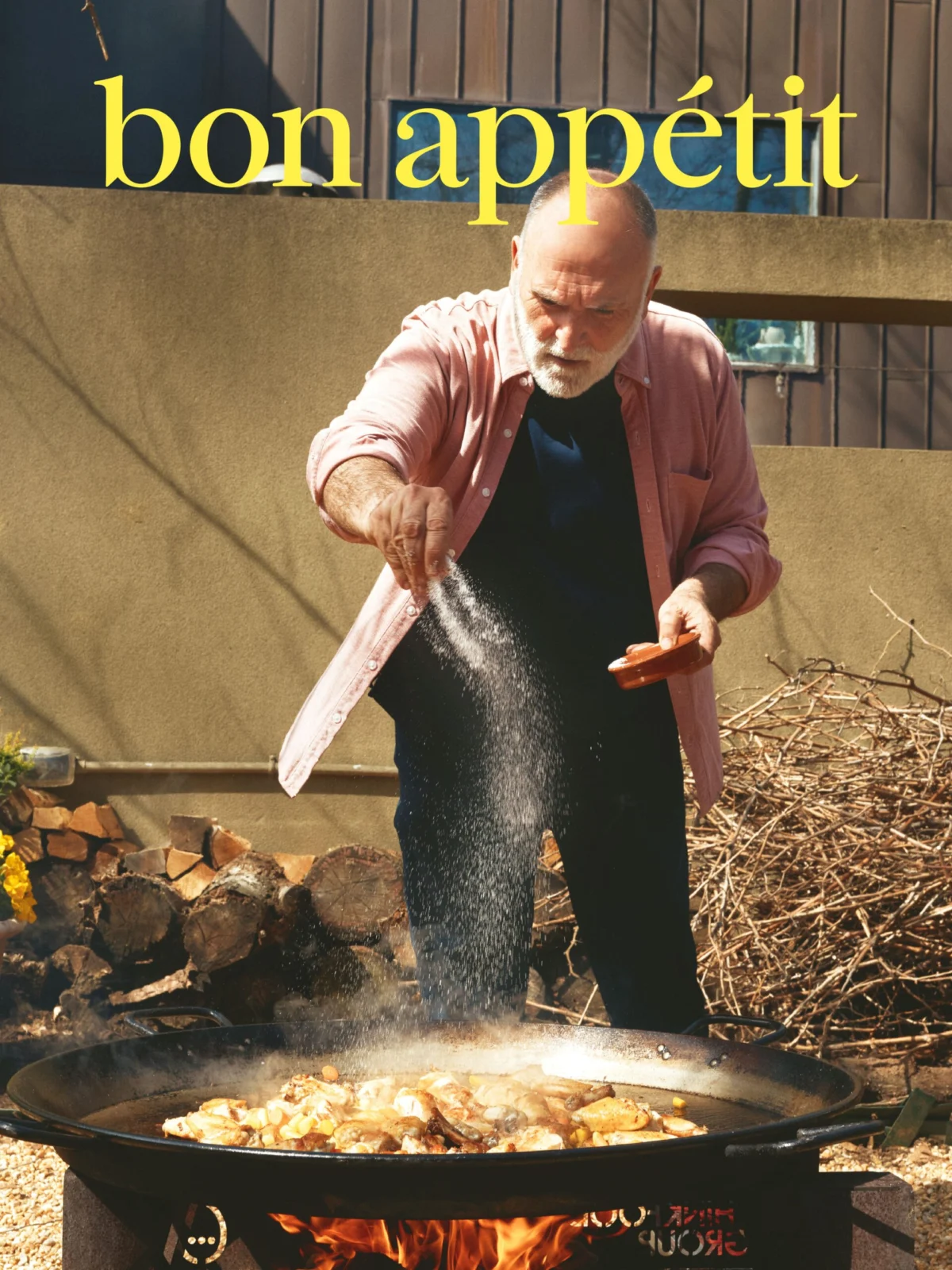
The preservation of authentic Spanish culinary traditions has taken center stage as world-renowned chef and humanitarian José Andrés launches a comprehensive educational initiative centered on the art of paella. Through the release of his latest literary work, Spain My Way: Eat, Drink, and Cook Like a Spaniard, and a synchronized digital series titled Made to Order, Andrés is seeking to demystify the complexities of Spain’s most iconic dish while emphasizing its role as a vessel for social cohesion and cultural identity. This outreach comes at a time when Spanish gastronomy continues to expand its global footprint, with paella serving as a primary ambassador for the Mediterranean diet.
The Historical Evolution of Paella and Its Cultural Significance
Paella’s origins are deeply rooted in the rural landscapes of Valencia, specifically the Albufera region on Spain’s Mediterranean coast. Historically, the dish was a humble meal prepared by farmers and farm laborers over open wood fires in the fields. The word "paella" itself is derived from the Old French word "paelle" for pan, which in turn comes from the Latin "patella." The wide, shallow vessel was designed for portability and efficient cooking, allowing workers to utilize locally available ingredients such as rice, snails, rabbit, and beans.
Over the centuries, the dish evolved from a utilitarian field meal into a symbol of Spanish national identity. By the mid-19th century, paella had moved from the fields into the family kitchens of Valencia and eventually across the Iberian Peninsula. Andrés emphasizes that the "magic" of the dish lies in its scalability; the traditional method of adding "another handful of rice" to accommodate unexpected guests reflects the broader Spanish ethos of hospitality and communal living. This cultural pillar remains central to the dish’s identity, even as it has been adapted by high-end restaurants worldwide.
Technical Specifications: The Engineering of the Paellera
A critical component of Andrés’ educational campaign focuses on the technical requirements of the cooking vessel. The choice of a paella pan, or paellera, is not merely aesthetic but a matter of thermal dynamics. According to culinary experts, the pan must be wide and shallow to ensure that the rice cooks in a thin, even layer. This configuration maximizes the surface area exposed to heat, which is essential for the evaporation of liquid and the development of the "socarrat"—the highly prized, caramelized crust of rice that forms on the bottom of the pan.

For traditionalists cooking over an open flame or wood-burning pit, Andrés recommends a traditional steel paellera. These pans are valued for their high responsiveness to temperature fluctuations, allowing the cook to adjust the heat intensity by managing the fire. However, for modern domestic environments utilizing gas stoves or outdoor burners, carbon steel or enameled pans are identified as superior alternatives. These materials offer easier maintenance and more consistent heat distribution on non-traditional heat sources. For a gathering of four to six people, a 15-inch diameter pan is cited as the industry standard, providing sufficient space for the rice to expand without becoming overly thick, which would impede the formation of the socarrat.
The Science of Spanish Rice Varieties
The success of a paella is fundamentally dependent on the type of rice used. Unlike long-grain varieties or creamy Italian arborio, Spanish paella rice must be short-grain and highly absorbent. Andrés identifies several key varieties that are essential for an authentic result:
- Bomba: Perhaps the most famous variety, Bomba rice is nearly round and has the unique ability to absorb two to three times its volume in liquid without breaking down or becoming sticky. Its high amylose content ensures that the grains remain distinct and firm.
- Bahía and J. Sendra: These varieties are common in the Valencia region and are prized for their ability to carry the flavors of the stock deep into the grain.
- Calasparra PDO: Andrés notes the importance of the Protected Designation of Origin (PDO) status, such as that found in Calasparra. This regulatory framework ensures that the rice is grown in specific geographic conditions that contribute to its culinary properties.
As the rice absorbs the stock—whether it be a wood-fired stock like those produced by El Paeller or a self-generated stock made from water and aromatics in the pan—it triples in size. This absorption process is what imbues the dish with its characteristic depth of flavor, making the quality of the liquid just as important as the quality of the grain.
Supporting Data: The Economic and Global Impact of Spanish Cuisine
The promotion of paella and Spanish ingredients has significant economic implications. According to data from the Spanish Ministry of Agriculture, Fisheries, and Food, Spain is one of the world’s leading exporters of high-quality agricultural products. In 2023, Spanish agri-food exports reached record highs, with a notable increase in the demand for Spanish rice and wine in the North American market.
The wine industry, in particular, plays a supporting role in the paella experience. Andrés highlights the evolution of Spanish sparkling wines, noting that the market has expanded beyond traditional Cava to include high-end designations like Corpinnat. Data from the Spanish Wine Market Observatory (OEMV) indicates that while Rioja remains a dominant export, there is growing international interest in niche varieties such as Albariño from Rías Baixas and Mencía from Bierzo. The "José Andrés effect" is often credited with helping to introduce these regional specialties to a broader audience, thereby supporting small-scale Spanish producers.

Chronology of a Culinary Movement
The current campaign led by José Andrés is the culmination of decades of advocacy for Spanish culture.
- 1990s: Andrés arrives in the United States, eventually opening Jaleo in Washington, D.C., which introduced authentic tapas and paella to the American public.
- 2010: The founding of World Central Kitchen (WCK) elevates Andrés’ profile from a chef to a global humanitarian, using food as a tool for disaster relief and diplomacy.
- 2020-2023: A period of intense focus on regional Spanish cooking, resulting in several television specials and the development of the "Spain My Way" concept.
- 2024: The launch of the new cookbook and the "Made to Order" digital series, specifically designed to empower home cooks to replicate complex Spanish techniques.
This timeline illustrates a shift from simply serving food to actively educating the public on the history and mechanics behind the cuisine.
Official Responses and Expert Analysis
Culinary historians and industry analysts have reacted positively to Andrés’ focus on "process over recipe." Maria Ordoñez, a food historian specializing in Mediterranean diets, states that "Andrés is performing a vital service by emphasizing the ‘why’ behind the ‘how.’ By explaining the importance of the pan’s shape and the rice’s chemistry, he protects the dish from the ‘culinary drift’ that often occurs when ethnic dishes are popularized abroad."
Furthermore, trade organizations such as ICEX Spain Trade and Investment have noted that such high-profile advocacy directly benefits Spanish exports. "When a chef of José’s stature specifies that a certain type of steel or a specific rice variety is necessary, it creates a direct pipeline for Spanish manufacturers and farmers to reach the global consumer," an ICEX representative commented.
Broader Implications: Gastro-Diplomacy and Social Impact
The implications of this initiative extend beyond the kitchen. Andrés’ focus on the "paella party" as a social event highlights the concept of gastro-diplomacy—the use of food as a means to promote national identity and foster international relations. By encouraging people to gather around a shared pan, the initiative promotes a slower, more intentional form of consumption that stands in contrast to the fast-paced nature of modern dining.

The social component is reinforced by the inclusion of tapas—small plates like pan con tomate, jamón Ibérico, and marinated olives—which are intended to be consumed while the paella cooks. This encourages a communal atmosphere, turning the act of cooking into a shared performance. Andrés’ advice to "throw in another handful of rice" if more guests arrive is more than a culinary tip; it is a call for inclusivity and a reminder of the power of food to build community.
In conclusion, the effort to educate the public on the intricacies of paella represents a sophisticated blend of cultural preservation, economic promotion, and social advocacy. Through his new book and digital content, José Andrés continues to serve as a bridge between the traditional fields of Valencia and the modern kitchens of the world, ensuring that the "magic of paella" remains a vibrant and authentic part of the global culinary landscape.