Layla Zulfa
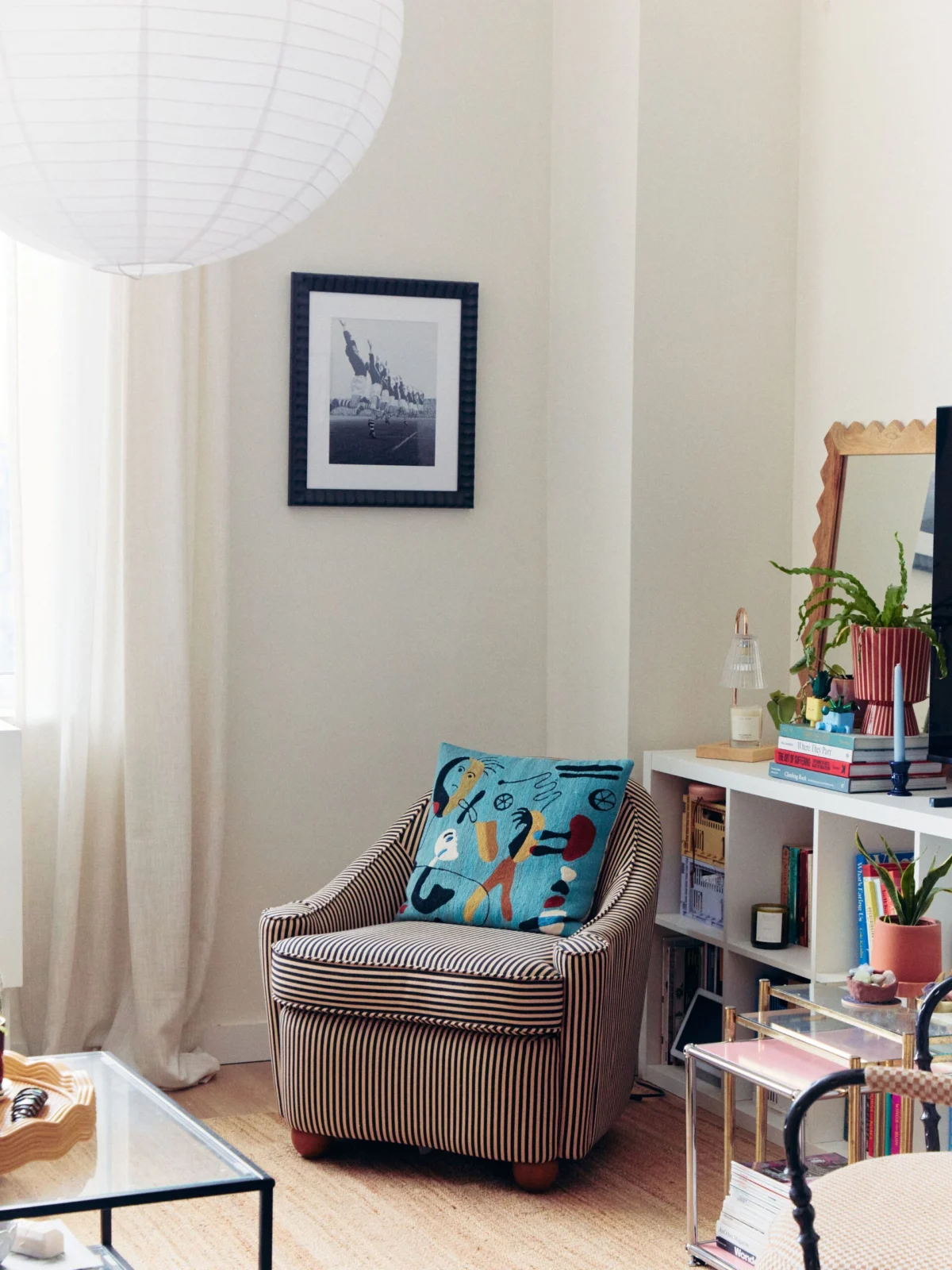
The search for the quintessential reading chair is a pursuit that balances the ephemeral nature of comfort with the permanent requirements of interior design. A reading chair is more than a piece of furniture; it is a dedicated zone for intellectual engagement, requiring an architecture that supports both prolonged stillness and the shifting posture of an avid reader. For the design-conscious consumer, the selection process involves navigating a complex market where ergonomic standards often clash with aesthetic ambitions. This analysis evaluates the current landscape of high-end seating, focusing on durability, material integrity, and the intersection of form and function.

The Evolution of the Reading Nook
The concept of the "reading chair" as a distinct category emerged in the early 20th century, as living spaces transitioned from formal parlors to more individualized, multifunctional areas. Midcentury modern design, spearheaded by architects like Eero Saarinen, introduced the idea that a chair should adapt to the human form rather than forcing the body to conform to rigid, linear structures. This philosophy remains the gold standard in contemporary furniture manufacturing. Modern manufacturers now prioritize "performance" textiles—engineered to resist UV degradation, moisture, and mechanical wear—alongside structural frames built from kiln-dried hardwoods, ensuring that these investments withstand the rigors of daily use.
Engineering Comfort: A Technical Perspective
The longevity of a reading chair is determined by its internal composition. Industry standards dictate that high-quality seating should utilize high-density foam cores, often wrapped in down-alternative fibers or channeled feathers to prevent the dreaded "puddle" effect common in lesser-quality upholstery.

Supporting data from recent furniture industry reports indicates that consumers are increasingly prioritizing "performance upholstery." Fabrics treated with solution-dyed acrylics, such as the Perennials line, have shown a 40% increase in market share over the last five years. These materials, initially developed for outdoor hospitality settings, are now standard in residential reading chairs due to their near-imperviousness to staining and mold.
Case Study: The Serena & Lily Miramar Chair
The Serena & Lily Miramar Chair serves as a primary example of this shift toward performance-grade luxury. Tested rigorously in domestic environments, the chair’s construction demonstrates the efficacy of performance-based textiles. In controlled spill tests, liquid beads on the surface of the Perennials Basketweave fabric, preventing saturation into the foam core. From an ergonomic standpoint, the Miramar offers a wider seat depth, facilitating varied seating positions, including cross-legged lounging. While its footprint is substantial, necessitating careful spatial planning, its structural integrity—firm yet yielding—aligns with the requirement for long-term lumbar support.

Iconic Design and Ergonomic Utility: The Knoll Womb Chair
Few pieces of furniture occupy as significant a position in design history as Eero Saarinen’s Womb Chair, commissioned by Florence Knoll in 1948. The chair’s design, characterized by a molded fiberglass shell covered in foam and upholstery, was a radical departure from the wooden-frame furniture of the era. The Womb Chair provides a unique "cradling" effect that minimizes pressure points, making it an optimal choice for readers who require a semi-reclined position. Its enduring popularity is evidenced by its inclusion in major design archives globally. Modern iterations maintain the original specifications, ensuring that the piece functions as a sculptural centerpiece while remaining a highly functional tool for relaxation.
The Rise of Multifunctional Furniture
As urban living spaces continue to shrink, the demand for dual-purpose furniture has surged. The Sabai Eclipse chair represents the current apex of this trend. By incorporating a sleeper mechanism into an oversized accent chair, manufacturers are addressing the need for efficiency without sacrificing comfort. The Eclipse, constructed with recycled velvet and sustainable materials, offers a modular approach to furniture ownership. Sabai’s business model, which emphasizes the replacement of individual parts—cushions, legs, or slipcovers—rather than the entire unit, reflects a growing industry-wide shift toward a circular economy in high-end home goods.

Comparative Analysis of Seating Profiles
When selecting a reading chair, the consumer must weigh the trade-offs between "sink-in" plushness and "upright" support.
| Chair Model | Primary Feature | Best For |
|---|---|---|
| Pierce & Ward Slipper | Rigid, upright frame | Focused study/knitting |
| Sabai Eclipse | Oversized/Sleeper | All-day lounging |
| Quince Swivel | 360-degree rotation | Flexible light-chasing |
| Knoll Womb Chair | Organic, cradling shape | Deep relaxation |
Strategic Integration: Lighting and Side Tables
The reading experience is fundamentally incomplete without the correct auxiliary furniture. The integration of a high-quality floor lamp, such as the CB2 Daltrey or the West Elm Fiona, is essential to mitigate eye strain. Lighting design experts recommend a minimum of 400 to 500 lumens for dedicated reading areas, with a color temperature between 2700K and 3000K to maintain a warm, inviting atmosphere. Furthermore, the selection of an appropriate side table, like the McGee & Co. Goodrich iron table or the Article Hallie, provides a stable platform for essential items, effectively completing the "reading station."

Considerations for the Discerning Buyer
Before finalizing a purchase, potential buyers should evaluate several critical variables beyond aesthetics:
- Seat Depth: A depth of 22 to 24 inches is standard for most adults. Those who prefer to sit cross-legged should seek depths exceeding 26 inches.
- Arm Height: For individuals who knit or hold books for extended periods, arm height is crucial. Lower, sloping arms provide elbow support without restricting shoulder movement.
- Frame Construction: Always inquire about the frame material. Kiln-dried hardwood remains the gold standard, while plywood or MDF frames should be viewed as budget-conscious alternatives with shorter lifespans.
- Assembly and Logistics: As furniture e-commerce expands, "white glove" delivery services have become a differentiator. For heavy pieces, such as the Quince Swivel chair, professional installation significantly reduces the risk of structural damage during setup.
Industry Implications and Future Trends
The furniture market is currently undergoing a period of transformation driven by both supply chain transparency and consumer demand for sustainability. The shift away from "fast furniture"—low-cost, short-lifecycle items—toward "buy-it-for-life" pieces is particularly pronounced in the high-end accent chair segment.

Manufacturers are responding to this by offering longer warranties and repairable components. The industry is also seeing a return to natural fibers like hemp and organic cotton, which, when paired with high-tech performance finishes, provide the necessary durability without the environmental footprint of purely synthetic materials.
Conclusion: The Investment in Stillness
Investing in a dedicated reading chair is an investment in personal downtime. The empirical evidence suggests that the most successful purchases are those that prioritize ergonomics, structural durability, and the specific habits of the reader. Whether one opts for the midcentury elegance of a Knoll Womb Chair or the modern, sustainable utility of the Sabai Eclipse, the goal remains the same: to create a physical environment that fosters intellectual and mental recovery. In an era of constant digital distraction, the humble reading chair stands as a necessary anchor, providing a space where one can disconnect from the world and engage deeply with the written word. By focusing on the structural and material qualities outlined here, consumers can ensure their choice remains a fixture in their home for years to come.