Layla Zulfa
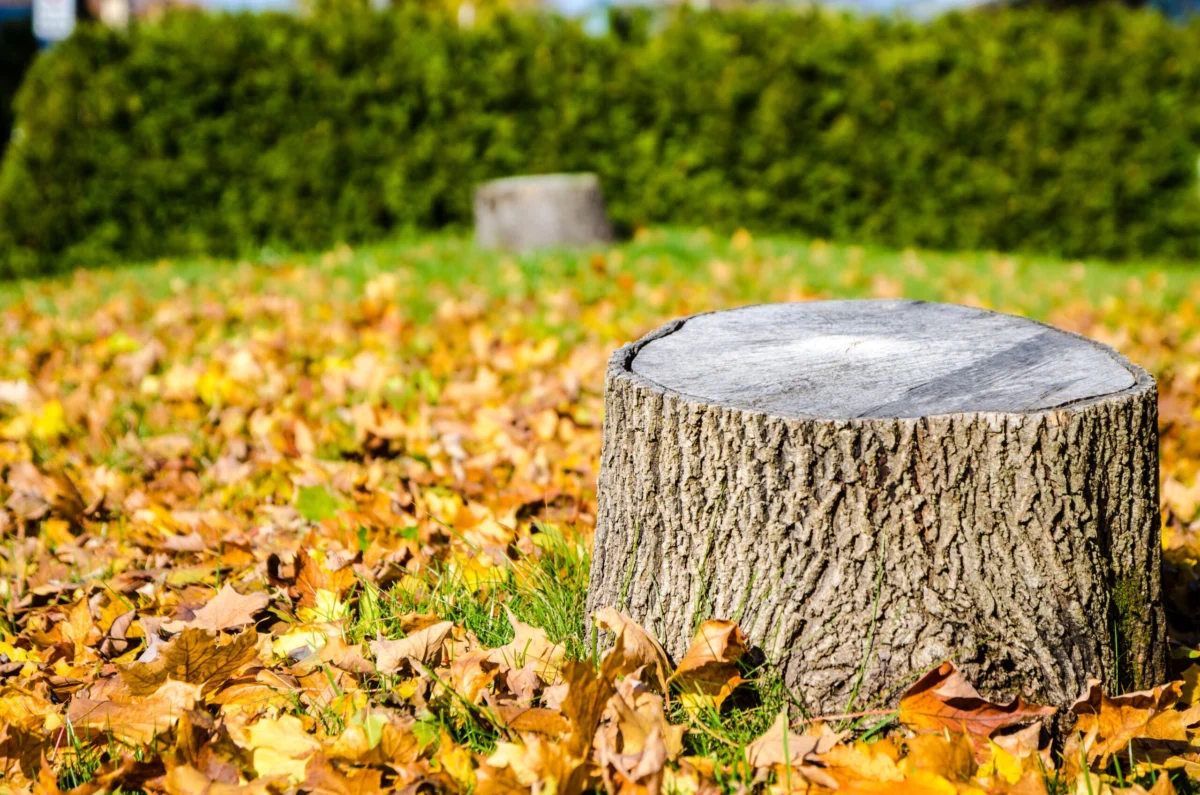
The removal of a mature tree is often considered the end of an arborist’s project, but the aftermath frequently presents a secondary, more persistent challenge: the management of the remaining stump. While a felled tree solves immediate concerns regarding falling limbs or canopy interference, a residual stump can act as an anchor for ongoing biological and structural complications. Professional arborists and landscaping experts maintain that treating a stump is not merely a matter of aesthetics; it is a critical maintenance step required to preserve soil health, prevent the colonization of invasive pests, and protect subterranean infrastructure from root-related damage.
The lifecycle of a tree does not conclude the moment the trunk is severed. For many species, the root system remains viable for months, or even years, post-removal. This latent vitality allows for the potential of stump resprouting—a phenomenon known as coppicing—where the tree attempts to regenerate from the remaining vascular tissue. Beyond the biological persistence of the tree, the decaying wood creates a hospitable environment for fungi, termites, and carpenter ants, which can migrate from the stump to nearby healthy vegetation or even the structural timber of a residence.
The Chronology and Biological Mechanics of Stump Decay
To understand the necessity of stump removal or chemical treatment, one must first recognize the timeline of decomposition. When a tree is cut, the primary source of photosynthesis is removed, but the root system continues to resprout or decay based on the tree’s species and the environmental conditions.

- Immediate Phase (0–3 months): The stump remains active. If the species is prone to coppicing—such as oaks, willows, or maples—new shoots may appear around the base. Fungal spores begin to colonize the exposed cut surface, initiating the breakdown of cellulose.
- Intermediate Phase (3–12 months): Root decay begins. The loss of nutrients leads to the gradual death of the root network. During this window, pests such as subterranean termites and wood-boring beetles are frequently attracted to the moisture and softening wood.
- Long-term Phase (1–5 years): Natural decomposition occurs. If left untreated, the wood softens significantly, but this process is slow and often results in a "dead zone" in the lawn where grass struggles to grow due to the chemical changes in the soil and the presence of rotting organic matter.
Assessing the Scope of the Project
Before selecting a removal method, professionals advise a thorough site assessment. The diameter of the stump, measured at the widest point of the cut, serves as the primary metric for choosing a strategy.
Stumps under 12 inches in diameter are typically manageable via manual labor or basic chemical applications. Conversely, stumps exceeding 30 inches represent a significant logistical challenge. Large-scale removals often require professional-grade equipment, such as mechanical stump grinders, which can pulverize the wood to several inches below the soil grade. According to industry data, the decision to remove a stump should be prioritized if the structure sits within three meters of a primary water or sewage line. In these cases, the risk of "root intrusion"—where roots infiltrate pipe joints in search of water—outweighs the cost of extraction.

Chemical and Herbicide Interventions
Chemical treatment is the most common method for ensuring a stump is permanently neutralized. By applying concentrated herbicides, such as those containing glyphosate or triclopyr, directly to the cambium layer of the stump, homeowners can effectively kill the root system.
The protocol involves cutting the stump as flush to the ground as possible and drilling vertical holes, roughly 8 to 10 inches deep, into the wood. The herbicide is then poured into these reservoirs, often followed by a small amount of water to facilitate absorption. Sealing the stump with a light-blocking, moisture-trapping tarp accelerates the decomposition process by creating an environment conducive to fungal growth while preventing the tree from photosynthesizing any light. Experts warn, however, that the use of these chemicals requires strict adherence to safety guidelines, including the exclusion of pets and children from the area and the use of personal protective equipment (PPE) to prevent skin contact.

Mechanical Removal: The Efficiency of Grinding
For those requiring immediate results, mechanical stump grinding remains the industry standard. This process utilizes a high-speed cutting wheel to physically shave the wood into chips.
The economic implications of this method are notable. Rental fees for professional-grade grinders range from $300 to $500 per day, while the purchase of such machinery can cost between $1,500 and $2,000. Despite the cost, it is the only method that provides immediate site clearance. The resulting wood chips can often be repurposed as mulch, provided the tree was not diseased; if the tree suffered from a specific pathogen, the resulting debris should be disposed of to prevent the spread of infection to other plants.

Natural Decomposition and Salt Applications
For property owners operating on a longer timeline, an alternative exists that avoids synthetic chemicals. The use of epsom salt (magnesium sulfate) or rock salt can effectively dehydrate the stump over time.
By filling drilled holes with salt and saturating the wood with water, the osmotic pressure within the stump is altered, eventually killing the vascular tissue. While this process is more environmentally benign than herbicide use, it is significantly slower, typically requiring 6 to 12 months for the wood to become brittle enough to break apart with manual tools. This method is preferred in ecologically sensitive areas where the runoff of chemical herbicides could negatively impact surrounding groundwater or soil pH levels.

The Risks of Improper Removal
The temptation to use "brute force" methods—such as attaching a chain to a truck to pull the stump from the ground—is strongly discouraged by safety professionals. The structural integrity of the roots often far exceeds the strength of the vehicle’s frame or the chain itself. A snapped chain under high tension can act as a projectile, capable of causing catastrophic property damage or severe physical injury.
Furthermore, the lack of coordination with local utility services before any digging or grinding is a common cause of costly infrastructure accidents. Before any removal process begins, property owners are advised to contact local utility locators to identify the precise location of underground gas, water, and fiber-optic lines.

Implications for Landscape Management
When is it appropriate to leave a stump? Landscape designers note that a stump does not necessarily have to be an eyesore. If the stump is not a host for pests and does not threaten subterranean pipes, it can be integrated into the landscape as a focal point. Mounding soil around the base to create a raised planting bed, or using the stump as a foundation for a decorative planter, can effectively transition the site into a feature of the garden.
However, the broader impact of an untreated stump should not be underestimated. The transition of a stump from a living organism to a source of decay can alter the surrounding soil chemistry. As wood breaks down, it consumes nitrogen from the soil, potentially creating a nutrient deficiency for nearby plants. Furthermore, if the tree was removed due to disease, leaving the stump acts as a reservoir for pathogens that can persist in the soil for years.

In summary, the removal of a tree is an incomplete project if the stump remains unaddressed. Whether through chemical suppression, mechanical grinding, or natural decomposition, the management of the stump is a critical component of responsible property stewardship. By understanding the biological, chemical, and structural implications of the remaining wood, property owners can ensure the long-term health and safety of their outdoor spaces.