Jono Maryono
Diplomatic efforts aimed at de-escalating the ongoing military conflict in the Middle East have suffered a fresh setback as Iranian officials publicly dismissed Washington’s willingness to engage in meaningful negotiations, characterizing the overtures of the United States as insincere and fundamentally lacking in diplomatic seriousness. The stark rhetoric from Tehran coincides with escalating maritime instability in the region, highlighted by an emergency incident involving a vessel caught ablaze off the coast of Iraq. These parallel developments underscore the volatile reality of a protracted military confrontation that continues to exert severe economic pressures on the Iranian domestic population, disrupt critical maritime trade routes, and challenge international efforts to restore stability to the Persian Gulf and surrounding territories.
Background and Context of the Conflict
The current hostilities represent a dramatic escalation of long-standing geopolitical tensions between Iran on one side, and the United States and Israel on the other. The latest phase of the conflict dramatically intensified when a series of coordinated military operations—comprising targeted air campaigns and a comprehensive strategic naval blockade enforced by the United States against major Iranian commercial and military ports—fundamentally altered the security landscape of the region.
For years, the Iranian economy has labored under the crushing weight of comprehensive international sanctions. However, the initiation of direct military engagements and the naval blockade has exponentially compounded these structural vulnerabilities. Essential supply chains have faced unprecedented bottlenecks, vital energy infrastructure has been subjected to heightened security risks, and the domestic market has been plunged into a state of acute instability. The ongoing blockade has choked off vital imports and exports, leaving the domestic population to bear the brunt of severe shortages, soaring unemployment, and an increasingly precarious economic environment.
Economic Toll and Domestic Impact
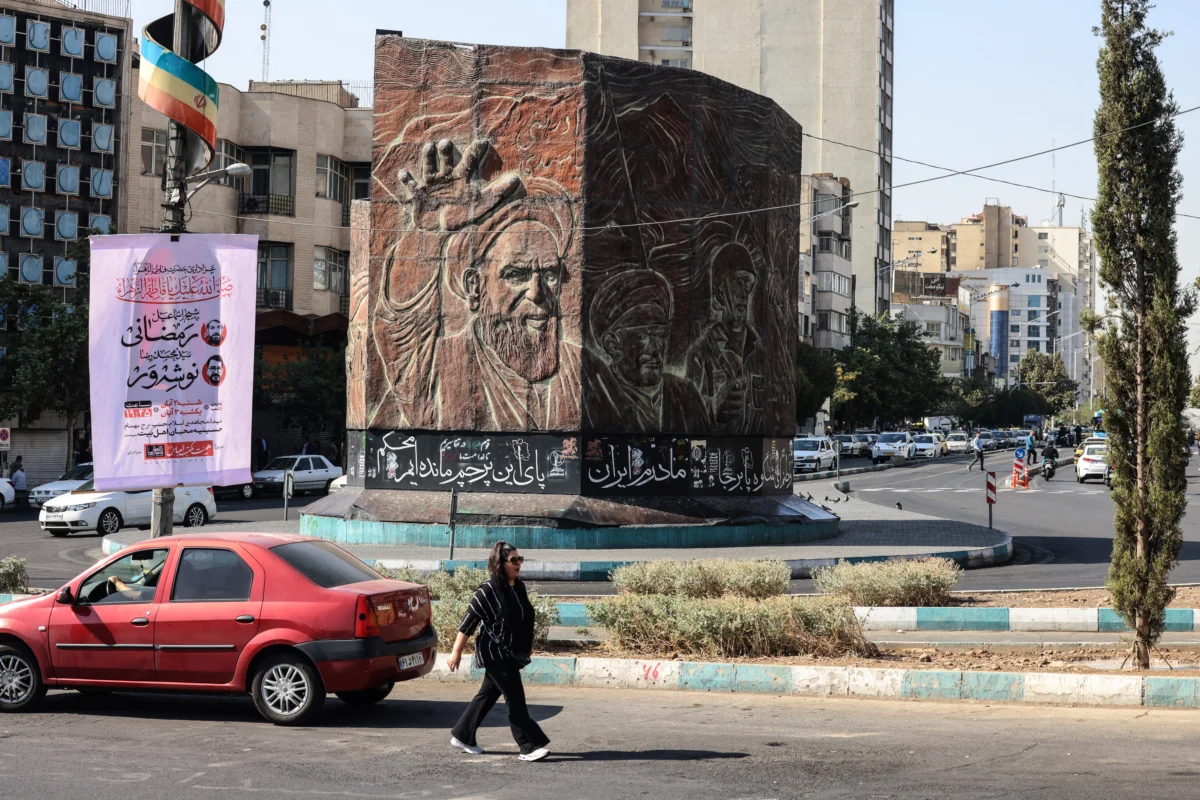
The human and financial cost of the war is starkly visible in the daily lives of ordinary citizens, particularly in urban centers like Tehran. According to official government data, the year-on-year inflation rate surged to nearly 90 percent by September, driven largely by the depreciation of the national currency and the acute scarcity of imported goods, raw materials, and basic foodstuffs.
Navigating the bustling streets of the capital, residents face staggering price hikes on everyday items, ranging from medical supplies to staple food products. Erratic currency exchange fluctuations have eroded purchasing power to historic lows, making household budgeting nearly impossible for millions of families. Economists note that the psychological and material toll of the war economy has triggered widespread public anxiety. While government subsidies and state-managed distribution networks have attempted to cushion the blow for vulnerable segments of the population, the sheer magnitude of the economic contraction has overwhelmed domestic safety nets, fueling social discontent and deepening the sense of isolation as international trade grinds to a near-halt.
Chronology of Escalation
The trajectory of the current crisis can be traced through a series of critical milestones that have progressively narrowed the window for diplomatic resolution:
- Late 2025 to Early 2026: Tensions reach a boiling point following intelligence reports regarding advanced nuclear developments and regional proxy activities, prompting intensive behind-the-scenes maneuvering among Washington, regional allies, and Tehran.
- February 2026: Outbreak of open hostilities marked by sudden US-Israeli military strikes against strategic installations inside Iran, immediately followed by the declaration and enforcement of a strict American naval blockade targeting Iranian ports.
- Spring and Summer 2026: The conflict expands from targeted military strikes into a protracted economic and maritime war. Shipping lanes in the Persian Gulf, the Strait of Hormuz, and adjacent waters become increasingly hazardous, leading to surging global energy prices and heightened insurance premiums for commercial vessels.
- September 2026: Domestic economic indicators reach alarming milestones, with official year-on-year inflation hitting the 90 percent threshold amidst extreme foreign exchange volatility.
- October 2026: Diplomatic channels stall as Tehran rebuffs US outreach, declaring Washington’s peace proposals to be unserious. Concurrently, maritime authorities report emergency incidents involving commercial shipping, exemplified by a vessel catching fire off the coast of Iraq.
Maritime Security and the Incident Off Iraq
The vulnerability of regional trade routes was once again thrust into the spotlight with reports of a ship caught ablaze off the coast of Iraq. While initial reports regarding the exact cause of the fire remain fluid, maritime security experts note that the incident highlights the extreme hazards facing commercial vessels operating in and around the Persian Gulf.
The waterway—responsible for a significant percentage of global oil shipments and international cargo transit—has become an invisible minefield of military tensions. Previous incidents involving naval harassment, unidentified projectiles, and maritime accidents have made shipowners extremely cautious. The burning vessel off Iraq not only threatens local marine ecosystems and port operations but also risks driving up international shipping and energy costs, as insurers factor in the heightened risk profile of navigating waters adjacent to an active war zone.
Official Responses and Diplomatic Stalemate
The breakdown in diplomatic communication stems from fundamentally irreconcilable positions between Washington and Tehran. United States officials maintain that military pressure and strict enforcement of the blockade are necessary measures to curb regional destabilization and compel Iran back to the negotiating table under strict international terms. Washington has repeatedly signaled that it remains open to dialogue, provided Tehran demonstrates a verifiable commitment to altering its regional and domestic policies.
Conversely, Iranian leadership has vehemently rejected these preconditions, arguing that negotiations conducted under the duress of military attacks and a crippling economic blockade are inherently coercive and illegitimate. Iranian spokespersons have publicly stated that the US administration is "not serious" about achieving a genuine, equitable diplomatic settlement, utilizing talks merely as a diplomatic cover to pursue regime destabilization. This mutual distrust has effectively paralyzed third-party mediation efforts led by regional intermediaries, leaving both nations locked in a rigid standoff with little incentive to compromise.
Broader Implications and Global Fallout
The ramifications of the protracted Iran-US-Israel conflict extend far beyond the immediate battlegrounds of the Middle East, carrying profound implications for global security, economic stability, and international law:
- Global Energy Markets: The persistent threat to shipping lanes in the Persian Gulf and the blockade of Iranian petroleum exports continue to exert upward pressure on global oil and gas prices. Energy-importing nations across Europe and Asia face recurring supply anxieties, complicating their own domestic monetary policies and inflation-fighting measures.
- Supply Chain Disruption: With major commercial ports restricted or blockaded, regional trade networks have had to reroute goods, leading to extended delivery times and inflated freight costs that feed into global inflation trends.
- Humanitarian Concerns: Humanitarian organizations have raised alarms over the severe impact of sanctions and military blockades on civilian populations. Access to specialized medical equipment, pharmaceuticals, and agricultural inputs has been severely hampered, raising urgent questions regarding the protection of civilians in modern economic warfare.
- Geopolitical Realignment: The crisis has accelerated shifts in international diplomacy, as nations across the Global South evaluate the efficacy of Western-led sanctions and maritime policing. Major powers have stepped up calls for de-escalation, warning that any miscalculation in the Gulf could trigger an uncontrolled regional conflagration with catastrophic worldwide consequences.
As the diplomatic freeze persists and maritime incidents continue to threaten commercial traffic, the path toward a sustainable ceasefire remains blocked. Without a fundamental shift in the negotiating posture of the primary antagonists, the region faces an extended period of high-stakes confrontation, economic hardship, and persistent instability.