Layla Zulfa
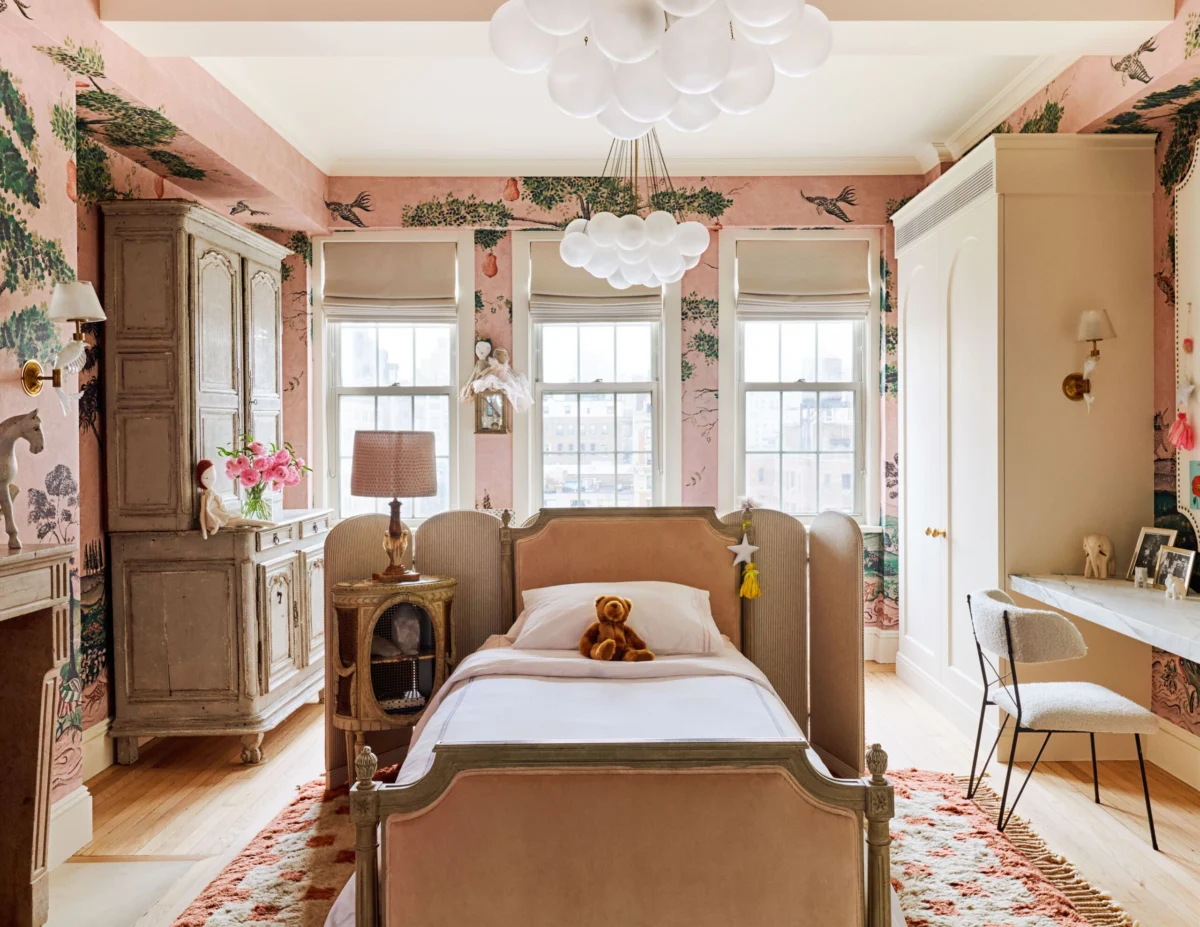
The resurgence of the room divider is deeply rooted in the post-pandemic shift toward hybrid living. With the home now serving as a professional office, a gym, a classroom, and a sanctuary, the ability to delineate "zones" within a single room has become a psychological and practical necessity. According to real estate and design market reports from 2023, there has been a 35% increase in searches for "flexible interior partitions" and "modular home office solutions." This trend reflects a broader architectural movement: the move away from compartmentalized floor plans toward open-concept layouts, followed by a secondary shift toward "broken-plan" living, where spaces are connected but visually distinct.

The Evolution of the Partition: From Shoji Screens to Modern Modular Shelving
Historically, the concept of the folding screen dates back to the eighth century in China and Japan, where shoji screens were utilized to manage drafts and provide privacy in minimalist living spaces. These early designs, often constructed from timber and translucent paper, set the standard for lightweight, portable separation. Today’s market pays homage to this history while incorporating modern materials and engineering.

IKEA’s KALLAX shelving unit, for example, represents the democratization of the "open-back" partition. By using a double-sided bookcase, residents of studio apartments can create a physical wall that maintains an airy, open feel. This method of partitioning is particularly effective because it satisfies the dual needs of storage and division. Contributor Yelena Moroz Alpert, whose experience spans nearly two decades of urban living, notes that such pieces provide a "sturdy, reliable" solution that adapts to various needs—from office nooks to bedroom separators—without requiring construction or permanent modifications.

Curated Selections for Contemporary Interiors
Modern design now offers a wide spectrum of options that prioritize both aesthetic appeal and structural integrity. The market currently highlights several categories of room dividers that address specific spatial challenges.

The Rise of Luxe Texture and Materiality
High-end manufacturers are increasingly focusing on the tactile experience of room division. The Hide & Seek Room Divider by Casa Dean, a standout piece from the recent CB2 collaboration with musician and producer Kasseem "Swizz Beatz" Dean, exemplifies this. Utilizing vegan leather, the piece serves as a sophisticated barrier that doubles as a sculptural focal point. This product reflects a growing trend of "artistic furniture," where the item’s value lies as much in its design pedigree as its utility.

Natural Light and Sustainable Design
For spaces where preserving natural light is critical, rattan and bamboo remain the gold standard. The West Elm Zeze Room Divider, for instance, utilizes woven rattan to create a semi-permeable barrier. This design is favored in residential projects where owners want to maintain the flow of light between a living area and a workspace. Similarly, the Red Barrel Studio Niemann Shoji Screen offers a nod to traditional Japanese craftsmanship while utilizing modern, lightweight materials that allow for easy portability—weighing in at just 12 pounds.

Industrial-Chic and Outdoor Adaptation
The versatility of room dividers now extends to the outdoors. As urban residents look to reclaim private space on balconies and patios, the AllModern Screen Series Privacy Screen—constructed from heavy-duty corten steel—provides a durable solution. These panels, which can be interlinked, allow for modular expansion. Weighing approximately 70 pounds per panel, these structures are designed to withstand environmental stressors, a significant departure from the delicate interior screens of the past.

Economic and Spatial Implications
The shift toward these products has measurable economic implications. For renters, the ability to "build" a room without violating lease agreements regarding permanent alterations is a major value proposition. A high-quality, free-standing room divider can effectively increase the perceived value of a rental unit by creating a dedicated bedroom space, a feature that often commands a premium in the rental market.

Furthermore, the price point of these items varies significantly based on craftsmanship and materials. While mass-market retailers offer functional solutions starting at roughly $100, the luxury market—represented by items like the Artek Screen 100—can command prices upward of $4,000. The Artek Screen 100, designed by Alvar Aalto, remains a benchmark for the industry. Its design, which uses flexible pine-wood slats linked by webbing, proves that a product can be 90 years old and still represent the pinnacle of "modern" utility.

Strategic Placement and Interior Design Best Practices
Design experts emphasize that the successful integration of a room divider depends on the "visual weight" of the piece. In smaller spaces, dividers with cutouts—such as the AllModern Haddis Panel—are preferable because they prevent the room from feeling claustrophobic. Conversely, in larger rooms, a solid-panel screen, such as the Four Hands Duane, can act as a grounding element, defining a seating area and absorbing sound, which is particularly beneficial in open-plan lofts with hard flooring.

When considering a room divider, designers generally suggest following these guidelines:

- Assess the Light: If the room relies on a single window, choose a screen that is translucent or slatted to avoid creating a "dark zone."
- Consider the Footprint: Ensure the divider has a stable base. Heavy items like the 110-pound Four Hands Duane are best suited for permanent placement, while accordion-fold options like the Zara Wood & Linen divider are better for multi-use, temporary scenarios.
- Harmonize with Decor: Treat the divider as a piece of art. Whether it features a bold, artistic print (like the Red Barrel Studio Falkmar) or a clean, neutral weave, the divider should complement the existing color palette of the room.
Future Trends in Spatial Delineation
Looking ahead, the market for room dividers is expected to integrate more "smart" features. Early prototypes in the commercial sector suggest the introduction of acoustic-dampening materials that can be adjusted via smartphone apps to control sound levels in home offices. Additionally, the move toward circular economy principles is pushing manufacturers to use more recycled wood and bio-based plastics, ensuring that the next generation of room dividers will be as environmentally conscious as they are functional.

The resurgence of the room divider is a testament to the adaptability of modern home design. As we continue to refine our domestic environments to better suit our changing professional and personal lives, the humble partition wall—in its many modern iterations—will remain an essential tool for the thoughtful curator of space. By balancing the need for privacy with the desire for aesthetic beauty, these pieces demonstrate that even in the most restricted square footage, one can create a home that feels both expansive and deeply personal. Whether through the minimalist lines of an Alvar Aalto design or the bold, artistic statements of contemporary collaborators, the room divider stands as a bridge between the architecture we have and the living environment we desire.