Ana Megawati
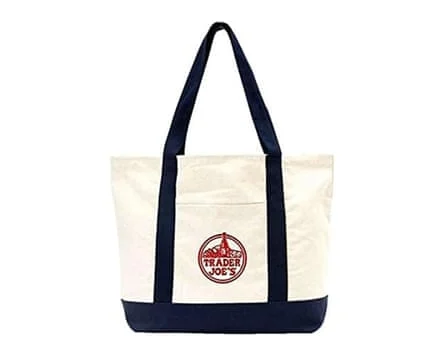
The unassuming canvas tote bag, once valued primarily for its utility as a durable, low-cost receptacle for groceries and library books, has undergone a radical transformation over the past decade. No longer confined to the aisles of regional American supermarkets, museum gift shops, and New England seaside towns, the simple cotton carry-all has been elevated by high-end design houses into a high-margin luxury commodity. Today, consumers can purchase variations of the basic canvas shopper from elite fashion labels for anywhere from £450 to upwards of £2,000.
This unexpected intersection of utilitarian practicality and elite design reflects a broader shift in consumer behavior, moving away from loud, ostentatious branding toward quieter, more nuanced signifiers of wealth and taste. Yet, this high-fashion co-optation introduces complex questions regarding sustainability, manufacturing irony, and the commodification of the everyday.
The Rise of the Luxury Canvas Shopper
The transition of the canvas tote from a promotional giveaway or budget-friendly household item to a four-figure luxury accessory is well documented across current retail markets. Prominent designers have embraced the silhouette, offering stripped-back interpretations constructed from organic materials alongside traditional leather goods.
Phoebe Philo, celebrated for pioneering the "quiet luxury" aesthetic during her tenure at Céline, offers a minimalist white canvas shopper manufactured entirely from cotton—save for internal brass hardware—priced at £450. Swedish luxury brand Toteme markets an organic cotton "effortless tote" in classic ecru, red, and dark brown for £510. At higher price points, Tom Ford offers a canvas body trimmed in calfskin for £1,600, while Prada features canvas-and-leather iterations exceeding £2,000.
These luxury interpretations mirror the physical dimensions and structural simplicity of mass-market staples popularized by entities such as L.L. Bean, J.Crew, and Trader Joe’s. Historically, these bags were utilized for domestic chores, transporting farmers’ market produce, or carrying athletic gear to the office. Their appeal lay in structural integrity and straightforward utility rather than aesthetic exclusivity.
The Mechanics of "Anti-Status" Signalling
Industry analysts suggest that the appeal of a luxury canvas tote rests on psychological nuances rather than material superiority. Tiffany Hill, founder of trend forecasting agency Trend Suite, describes the phenomenon as a form of "anti-status status."
"The appeal is partly that the canvas tote has become a form of anti-status status," Hill explains. "A cream or ecru tote that costs hundreds, or even thousands, and is inevitably going to mark, almost makes practicality beside the point. You are buying into an aesthetic and a lifestyle rather than simply buying something to carry your belongings in."
This dynamic relies on shared cultural literacy. Consumers demonstrate taste and belonging not through prominent logos or explicit price displays, but through the recognition of subtle lifestyle codes. Similar to the modern appeal of high-end, aesthetic-driven supermarkets like Erewhon in Los Angeles—where branded canvas totes retail around $74—the value resides in an shared understanding of the reference.
Muffy Aldrich, editor of the lifestyle blog Salt Water New England, notes that the design language of these bags carries a pre-existing mythology of coastal affluence. Rooted deeply in the American Northeast, particularly around Martha’s Vineyard and Nantucket, the classic canvas tote evokes a specific visual culture of sailing, summer residences, and regional tradition.
"The canvas tote already carries this very specific visual language of boats, summer houses, farmers’ markets, weekends away, and slightly old-fashioned American affluence," Hill says. "Luxury brands don’t have to invent that mythology—they can borrow it."

Chronology and Commercial Milestones
The commercialization of the tote bag as a distinct fashion statement did not happen overnight. The timeline of its elevation can be traced through several key industry developments:
- The Mid-20th Century: The utility canvas tote is popularized in the United States, most notably by retailers like L.L. Bean, whose ice-carrier bag established the foundational design of heavy-duty cotton duck canvas with wrap-around nylon or cotton webbing handles.
- The Sustainability Shift: As global awareness regarding plastic waste grew in the late 2000s and 2010s, cotton tote bags were heavily promoted as eco-friendly alternatives to single-use plastic bags, leading to a massive proliferation of promotional totes globally.
- 2019: Designer Marc Jacobs launches "The Tote Bag" collection, featuring heavy branding and a self-aware marketing approach summarized by the slogan "No more Birkins, only tote bags." Priced in the hundreds rather than thousands, it bridges the gap between mass-market utility and designer accessories.
- The Post-Pandemic Era: As casual dressing solidifies following global lockdowns, high-end houses including Toteme, Prada, Tom Ford, and Phoebe Philo introduce premium interpretations of the canvas shopper, driving prices into the thousands.
The Environmental Paradox and Sustainability Concerns
While canvas bags were initially championed as sustainable replacements for disposable plastics, environmental research reveals a significant paradox in their widespread production and disposal.
According to data compiled in life-cycle assessments by organizations such as the United Nations Environment Programme (UNEP), the manufacturing footprint of a traditional cotton tote bag requires extensive resources, including land, water, and energy for agricultural harvesting and textile processing. Consequently, a standard cotton tote must be utilized between 50 and 150 times to offset the environmental impact generated during its production.
Empirical studies indicate that reality falls far short of this threshold. Less than 10% of promotional and standard cotton tote bags are utilized more than three times before being discarded or relegated to storage, contributing directly to textile waste and overproduction. This inefficiency has fueled market demand for durable, multi-season alternatives—dubbed "forever totes"—though luxury iterations manufactured from delicate materials complicate the equation further.
Cultural Representation in Media and Film
The canvas tote has also established a firm foothold in contemporary media, frequently utilized by costume designers to signal specific character traits, socio-economic backgrounds, and professional lifestyles.
In editorial fashion circles, the accessory is ubiquitous; Vogue editor Anna Wintour has famously carried a mock-up edition of the publication within a monogrammed canvas carrier. In scripted television, costume designers leverage the bag’s dual identity to anchor characters in realism. In recent television dramas depicting high-society wealth, pragmatic yet spacious canvas totes are routinely utilized by characters requiring a sturdy, unpretentious receptacle to transport sensitive documents or daily essentials in a hurry.
This inclusion highlights the bag’s paradoxical nature: it is simultaneously a symbol of understated practicality and an intentional stylistic choice.
The Future of the High-End Utility Market
Despite the commercial enthusiasm from luxury fashion houses, critics and longtime adherents question the longevity of the trend. Analysts point out that elevating a historically rugged item into a delicate, high-priced commodity risks undermining its core functional purpose.
"When we get to a point where a tote bag is so precious—so expensive and made of softer materials—that we are afraid to toss it from boat to boat or let it get covered in sand, we get very close to losing what made it iconic to begin with," Aldrich observes.
Furthermore, fashion industry observers note that traditional manufacturers have optimized the canvas tote design over decades to maximize durability, utilizing continuous-loop handles that distribute weight evenly across the base. Luxury brands face inherent limitations in improving the structural integrity of an item that is, fundamentally, already optimized for its primary function.
As seasonal collections evolve, the tension between manufactured exclusivity and inherent utility will likely continue to define the market trajectory of the canvas tote, testing whether consumers remain willing to invest premium capital into items originally designed for the everyday errand.