Ana Megawati
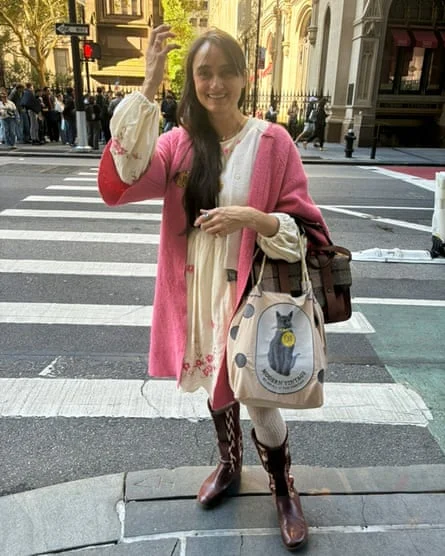
The arrival of October in New York City brings a definitive shift in the urban landscape, compelling millions of residents to retire breezy summer linens in favor of versatile autumn layers. Navigating the fluctuating temperatures of the city’s subterranean transit networks and brisk commercial corridors requires a precise balance of functional comfort and professional presentation. Rather than relying on prescriptive runway trends or high-fashion forecasts, a recent street-level survey conducted across Manhattan’s Financial District offers a grounded look at how everyday professionals construct their seasonal wardrobes.
The Urban Context: Weather, Commutes, and Office Dress Codes
The logistical challenge of autumn dressing in New York is deeply tied to the city’s unique infrastructure. Millions of square feet of commercial office space are concentrated in the Financial District, drawing a daily influx of commuters who must contend with overheated subway platforms followed by brisk, wind-tunnel streets near the waterfront. This environmental dichotomy necessitates outfits capable of adapting to drastic microclimate changes throughout the workday.
Compounding these weather-related factors are evolving workplace dress codes. In the post-pandemic corporate environment, traditional strict business formal requirements have increasingly given way to hybrid interpretations of professional attire. Many corporate employees balance mandatory in-office formality with more relaxed ensembles on days when face-to-face meetings are limited, blurring the lines between executive tailoring and casual comfort.
Street-Level Insights: Comfort Meets Professionalism
Interviews conducted with pedestrians during weekday lunch hours reveal a prevailing preference for garments that prioritize mobility without sacrificing a polished exterior.
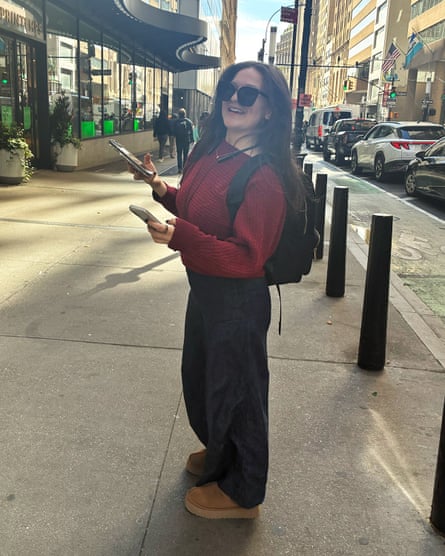
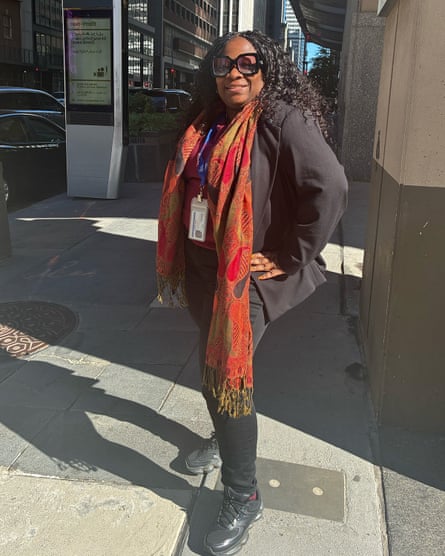
Adele, a court advocate navigating the downtown corridor, describes her approach as a blend of "comfort, mixed with a little professional." Her sentiment echoes the broader commuter demographic, where supportive footwear and adaptable layering pieces serve as foundational elements.
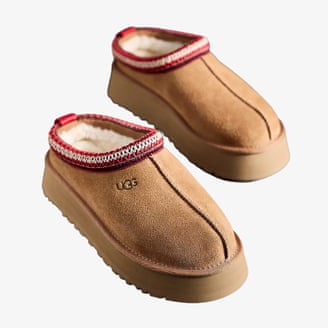
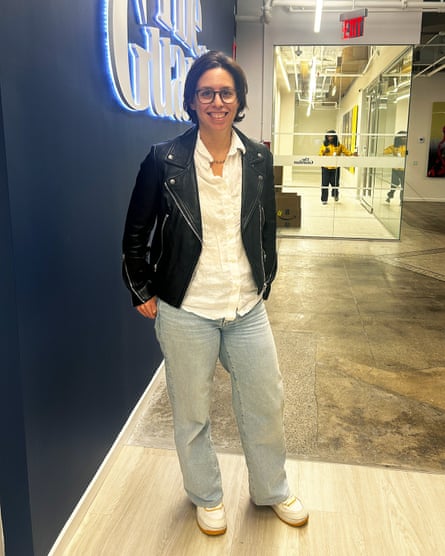
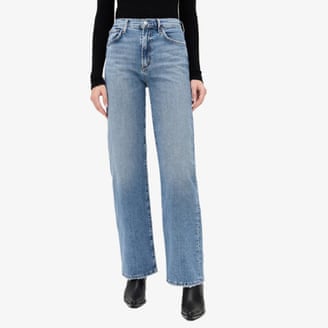
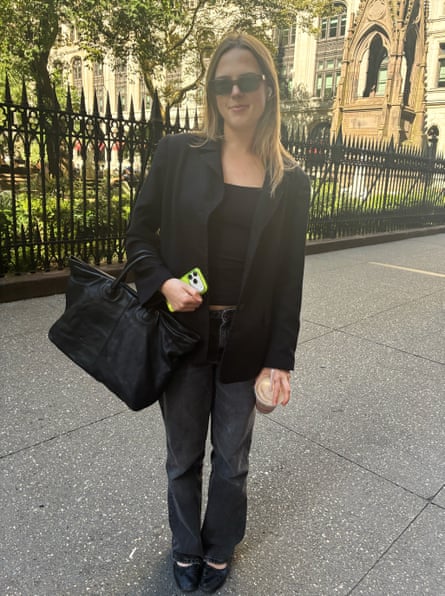
For many professionals, footwear selection is governed by the sheer volume of daily walking required. Bridget, a political communications professional, notes the practical realities of navigating Manhattan transit: "Working in New York City requires comfy shoes en route, so I opted for my chunky Uggs." While acknowledging that formal office days theoretically demand strict business attire, she points to a pragmatic compromise on lower-stakes office days, opting for structured dark denim that can pass for slacks paired with a substantial sweater.
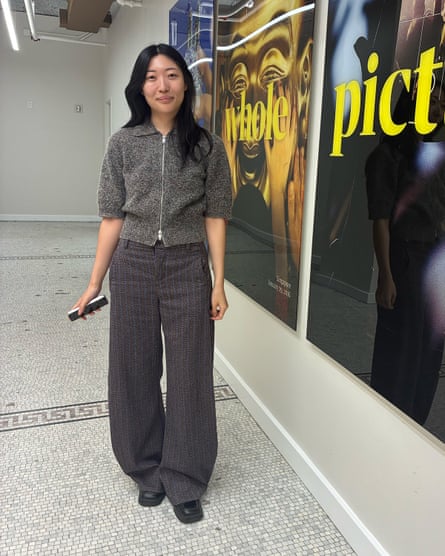
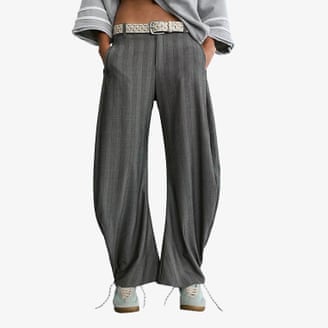
Similarly, Karen Yuan, a publishing professional, emphasizes the strategic advantage of tailored trousers that offer the tactile comfort of loungewear. "I love pants that are presentable yet feel like pajama bottoms (no one’s the wiser)," she notes, highlighting a growing market demand for relaxed tailoring, such as menswear-inspired barrel trousers and wide-leg silhouettes.
Textural Trends and Color Palettes for the Season
This season’s street style highlights specific recurring motifs, signaling broader consumer trends in autumn outerwear and accessories:
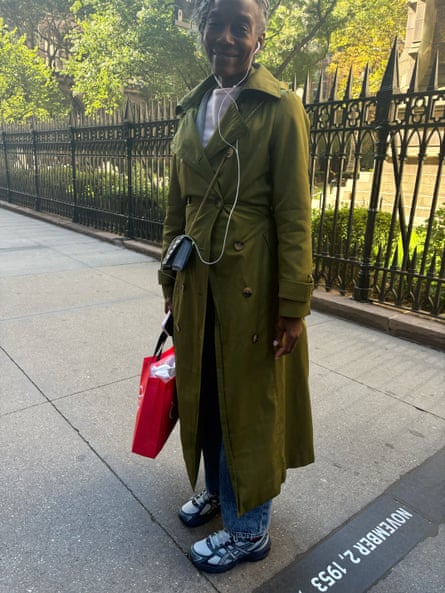
- The Investment Outerwear Piece: Classic silhouettes—including belted trench coats, structured wool blazers, and premium leather jackets—remain staple investments. While carrying higher initial price tags, such as Agolde straight-leg denim or Ba&sh long parkas, these items are treated as durable wardrobe foundations designed to withstand multiple seasons.
- Strategic Color Accents: While neutral palettes dominated by black, tan, and grey remain a New York staple, autumn styling features deliberate pops of rich seasonal hues. Deep burgundies, maroons, and cherry reds appear frequently through accessories like merino wool scarves and knitwear, adding visual warmth to monochromatic outfits.
- The Rise of Conscious and Thrifty Styling: Many urban professionals continue to incorporate thrifted or vintage items alongside contemporary pieces, favoring unique garments that distinguish personal style within the standardized corporate uniform. Additionally, consumer interest in sustainable or vegan alternatives—such as vegan leather sneakers and cruelty-free outerwear—reflects a growing market awareness.
Economic and Retail Implications
The street-level observations align with broader retail data indicating steady consumer demand for transitional, multi-functional apparel. As retail brands adjust to hybrid work schedules, the market for structured yet comfortable clothing—often categorized under "smart casual"—continues to expand. The emphasis has shifted away from single-use occasion wear toward durable, modular pieces that transition seamlessly from morning commutes to desk work and evening engagements.
Furthermore, partnerships between mainstream fashion brands and journalistic institutions, such as the limited-edition cashmere collaborations supporting independent media outlets, demonstrate an increasing consumer appetite for products that align with personal values and institutional support.
Broader Impact on Urban Fashion Culture
Ultimately, New York’s October street style serves as a real-time laboratory for practical fashion. By prioritizing adaptability, foot health, and textural layering, Manhattan professionals demonstrate that modern urban style is less about adhering to rigid seasonal mandates and more about engineering an effective defense against the city’s demanding climate and fast-paced environment.