Ana Megawati
By the close of the standard workweek on Friday, physical fatigue—manifesting as ocular dryness, tension headaches, and systemic lethargy—frequently overtakes urban office workers. This exhaustion is often the cumulative result of hours spent monitoring multiple digital displays, filtering out environmental noise via active-noise-cancelling headphones, and enduring the sterile glare of low-ceiling fluorescent lighting in open-plan corporate environments. Seeking respite from these enclosed, reflective structural landscapes, many professionals attempt to reclaim their weekends by retreating to regional coastal destinations.
However, contemporary regional travel frequently reveals a profound architectural and cultural homogenization. Historic agricultural land and natural topography are routinely replaced by standardized suburban housing developments, anchored by highway-adjacent retail hubs. These commercial zones typically feature predictable franchises—including national supermarket chains, pharmacies, and liquor distributors—replicating the identical retail ecosystem found in metropolitan centers. This uniformity extends to consumer behavior and material culture; parking lots are dominated by monochromatic fleets of white and grey vehicles, from which motorists emerge wearing near-identical athleisure or casual wear.
Accommodation rentals further reflect this aesthetic standardization. While coastal properties may match online promotional imagery through minimalist staging, premium amenities, and neutral color palettes, they often project an atmosphere devoid of local character, redolent primarily of chemical disinfectants. Natural coastal environments similarly experience commercial and spatial saturation. Public beaches are frequently crowded with mass-produced, uniformly patterned sun shelters, obscuring traditional landscapes and creating visual clutter. Local hospitality venues—featuring blonde wood accents, indoor botany, and standardized pricing models for espresso beverages—serve as convergence points for transient populations whose aesthetic and consumer choices mirror those found in urban centers. This pervasive uniformity across architecture, commerce, and personal presentation prompts broader questions regarding the erosion of regional distinctiveness and individual expression within modern society.
The Philosophical and Historical Context of Aesthetic Uniformity
The widespread adoption of monochromatic interior design, standardized urban planning, and uniform consumer goods contrasts sharply with demographic diversity. Current global population estimates place human diversity at approximately 8.3 billion distinct individuals, each possessing unique physiological traits, behavioral patterns, and personal preferences. Yet, contemporary material culture increasingly trends toward uniformity.
Major paint and interior design corporations, such as Dulux and Sherwin-Williams, report that neutral tones like grey remain among the most frequently searched and utilized colors in residential design. Financial analyses, including reports by the Financial Times, indicate that property developers and homeowners frequently select neutral palettes to maximize potential property resale values, prioritizing liquidity and market optimization over personal aesthetic expression.
This suppression of visual variety is not unprecedented. Throughout history, systemic shifts in industrial organization have periodically subordinated aesthetic diversity to economic efficiency. During the Industrial Revolution of the 18th and 19th centuries, the rapid expansion of factory districts prioritized industrial output over urban habitability, generating widespread environmental degradation and architectural monotony. In response, reform movements emerged, such as the Arts and Crafts movement of the 1860s. Spearheaded by figures like William Morris, this movement sought to counter the dehumanizing effects of mass production by restoring craftsmanship, traditional techniques, and individualized design to domestic spaces.

Philosophical frameworks have historically linked visual environment to societal well-being. Classical Greek philosophy utilized the concept of kalos kagathos—translating to "beautiful and good"—to bind aesthetics, ethics, and truth into a unified standard. In classical dialogues such as Plato’s Symposium, aesthetic beauty is posited as a catalyst that elevates human consciousness toward justice and reason, framing ugliness not merely as an aesthetic displeasure, but as an indicator of systemic or moral disorder.
Economic Pressures and the Rise of Algorithmic Production
In the contemporary landscape, the homogenization of culture is increasingly driven by digital optimization and commercial efficiency. The proliferation of algorithmic design, automated content generation, and standardized manufacturing has accelerated the displacement of human-made art, literature, and architectural diversity.
Economists and sociologists note that the modern pressure for economic optimization extends far beyond physical commodities. The integration of artificial intelligence into creative sectors—producing standardized text, imagery, and musical compositions—represents a significant structural shift in how cultural artifacts are generated. While utilitarian standardization in housing and consumer goods is often justified through market logic, the extension of automation into creative expression challenges fundamental definitions of human labor and cultural identity.
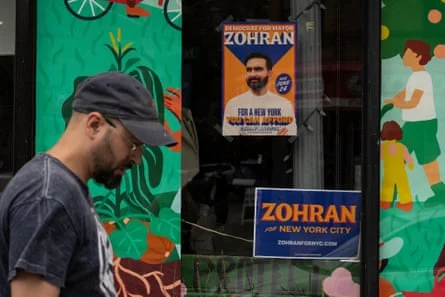
Historically, labor movements and social reform campaigns have operated under the banner of "bread and roses"—a philosophy emphasizing that while basic material needs (subsistence, fair wages, housing) are paramount, human flourishing also requires access to culture, art, and aesthetic enrichment. This principle has periodically resurfaced in modern municipal politics. For instance, recent urban political campaigns, such as Zohran Mamdani’s mayoral bid in New York City, explicitly incorporated cultural access into policy platforms alongside material interventions like rent stabilization. Initiatives such as the expansion of free access to major cultural institutions—exemplified by municipal programs releasing tens of thousands of free opera tickets—reflect policy attempts to bridge the gap between material security and cultural participation.
Societal Implications and the Counter-Movement for Individual Expression
The acceleration of standardized living environments, automated creative outputs, and uniform consumer culture has catalyzed a counter-movement among urban planners, sociologists, and cultural critics. These groups advocate for the intentional preservation of biodiversity, community-led architectural planning, and the support of human-generated arts and crafts.
Analyses of modern urban planning suggest that countering aesthetic uniformity requires structural interventions at multiple levels:
- Municipal Policy: Implementing zoning laws and urban design codes that mandate architectural diversity, protect historic streetscapes, and integrate green spaces into residential developments.
- Consumer Choices: Deliberately supporting local artisans, independent publishers, and human-crafted goods rather than mass-marketed or algorithmically generated alternatives.
- Community Engagement: Participating in grassroots initiatives such as community gardens, local art collectives, and neighborhood beautification projects that reflect regional character rather than corporate standardization.
Experts suggest that the deliberate cultivation of aesthetic diversity serves a dual purpose: it enhances psychological well-being by reducing the sensory fatigue associated with hyper-optimized environments, and it functions as a cultural pushback against the homogenizing forces of modern commercialism and automated production. By prioritizing human-made design and environmental preservation, contemporary communities continue the historical tradition of asserting individual and cultural identity against systemic monotony.