Ana Megawati

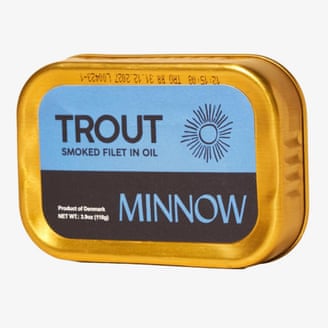
The culinary landscape has undergone a remarkable transformation over recent years, shifting tinned fish from the back of the pantry to the forefront of modern gastronomy. Once relegated to emergency rations or simple college meals, tinned seafood—ranging from artisan smoked trout to sustainably caught sardines—has captured the attention of home cooks, high-end restaurants, and health enthusiasts alike. This surge in popularity prompted a comprehensive review of 15 different tinned fish varieties, evaluating taste, texture, and culinary versatility. However, as consumption patterns shift, consumers and health professionals alike are raising crucial questions regarding daily nutritional intake, mercury exposure, environmental sustainability, and the broader implications of this preserved-protein trend.
Background and Context of the Tinned Fish Boom
The contemporary resurgence of tinned seafood is driven by a convergence of cultural, economic, and logistical factors. Historically, canning fish was developed as a vital preservation method to transport protein inland before the advent of widespread refrigeration. In regions like the Iberian Peninsula and parts of Scandinavia, tinned seafood evolved into a celebrated culinary art form, yielding high-end conservas packaged in beautifully designed artwork.
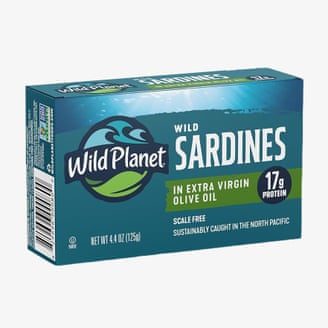
In recent years, the global shift toward home cooking during periods of supply chain disruptions and shifting economic conditions catalyzed a renaissance for pantry staples. Consumers began seeking accessible, shelf-stable proteins that required minimal preparation while still offering gourmet appeal. Social media platforms further accelerated this trend, with food enthusiasts showcasing aesthetically pleasing tinned fish boards, elaborate pasta dishes, and quick lunches. Brands capitalizing on this movement—such as Fishwife, Wild Planet, and Wildfish Cannery—have successfully rebranded canned seafood as a trendy, premium lifestyle product.

Nutritional Evaluation: Frequency, Variety, and Health Claims
As tinned fish transitions from an occasional meal addition to a dietary staple, registered dietitians and nutritionists have stepped in to evaluate its health implications. A central inquiry among consumers is whether tinned fish can safely be consumed daily.
According to registered dietitian Roxana Ehsani, daily consumption is generally not recommended. While tinned fish provides substantial nutritional benefits, certain varieties contain high levels of sodium used in the preservation process. Furthermore, relying exclusively on tinned fish as a primary protein source can crowd out other essential, nutrient-dense whole foods from an individual’s diet.
Shyla Davis-Cadogan, another registered dietitian, offers specific guidance regarding fish selection and frequency. Davis-Cadogan advises against the daily consumption of larger fish species, such as tinned albacore or yellowfin tuna, due to the risk of cumulative mercury exposure. Conversely, smaller pelagic fish—including sardines, mackerel, and herring—accumulate significantly lower levels of mercury in their lifecycles, making them generally safe for daily consumption.
Understanding Mercury Levels in Tinned Seafood

Mercury accumulation in aquatic life remains a primary public health consideration. Mercury is a naturally occurring heavy metal that enters aquatic ecosystems primarily through industrial pollution, eventually bioaccumulating in marine food webs. Predatory, longer-lived fish higher up the food chain typically exhibit higher tissue concentrations of mercury.
Public health organizations, including the US Food and Drug Administration (FDA), issue specific guidelines regarding seafood consumption, particularly for vulnerable populations such as pregnant women, nursing mothers, and young children. The FDA recommends that high-risk groups strictly monitor their intake of high-mercury species like albacore tuna, opting instead for lower-mercury alternatives such as salmon, sardines, and canned light tuna. Nutritionists emphasize that while the health benefits of omega-3 fatty acids generally outweigh the risks for the broader population, informed selection remains essential.
Comparative Analysis: Wild-Caught Versus Farm-Raised Seafood
The debate between wild-caught and farm-raised (aquacultured) tinned fish encompasses considerations of texture, flavor profile, cost, and environmental impact.
Wild-caught fish, harvested from natural marine environments, typically feature a leaner profile and a firmer texture. Because their diets consist of natural marine organisms, their flavor profile often reflects their specific habitat and species characteristics.
Farm-raised fish, conversely, are cultivated in controlled aquatic environments. Aquaculture operations often produce fish that are more budget-friendly and reliably accessible to consumers. Farm-raised varieties frequently exhibit a higher fat content, which can translate to a richer flavor and a softer texture.
From a nutritional standpoint, both wild-caught and farm-raised options provide vital cardiovascular benefits, including omega-3 fatty acids, high-quality protein, and essential micronutrients. Experts note that incorporating either option into a weekly diet yields significantly better health outcomes than consuming no seafood at all.
Oils Versus Water: Selecting the Right Packing Medium
Another frequent consideration for consumers is whether tinned fish packed in oil or water offers superior health benefits. Nutrition experts clarify that neither medium is inherently superior; rather, the choice depends on individual dietary goals and culinary preferences.
Water-packed tinned fish generally contains fewer calories, making it an ideal choice for individuals monitoring caloric intake. On the other hand, oil-packed fish offers a richer, more robust flavor profile. While oil-packed varieties contain higher calorie counts initially, much of the oil is discarded during the draining process. Nutritionists recommend selecting options packed specifically in extra virgin olive oil when possible, as this introduces heart-healthy monounsaturated fats into the meal.

Nutritional Profiles of Specific Tinned Fish Varieties
Dietary experts frequently highlight certain species for their exceptional nutrient density. Sockeye salmon is widely recommended as a premier protein source. Rich in long-chain omega-3 fatty acids, sockeye salmon supports cardiovascular function, immune response, and neurological health. Additionally, it provides notable quantities of selenium and vitamin D, both of which are critical for metabolic regulation and bone health.
Sardines, however, are frequently cited by nutritionists as the single most nutrient-dense tinned fish available. A single tin can supply nearly an entire day’s recommended intake of vitamin D and well over the daily requirement for vitamin B12. When consumed whole—including the soft, edible bones—sardines serve as an exceptional source of bioavailable calcium. Furthermore, they provide substantial amounts of protein, selenium, and iodine, the latter of which is essential for proper thyroid function.
Culinary Applications and Meal Integration
Integrating tinned fish into everyday cooking requires minimal culinary complexity, making it an accessible option for busy households. Registered dietitians and cookbook authors emphasize that tinned fish can easily serve as the centerpiece of a balanced meal.
A classic Mediterranean salad offers a straightforward preparation method: flaked tinned salmon or tuna tossed over a bed of fresh arugula, crisp cucumbers, kalamata olives, and cherry tomatoes, finished with a bright lemon and olive oil vinaigrette.
For quick, comfort-driven meals, culinary experts suggest pairing tinned sardines or mackerel with bold condiments. Mixing the fish with a small amount of gochujang, mayonnaise, and sesame oil creates a savory, umami-rich spread that can be served over steamed white rice and scooped up using roasted seaweed snacks. These preparations demonstrate the versatility of tinned seafood, bridging traditional preservation techniques with modern global flavor profiles.
Environmental Sustainability and Certifications
As global demand for seafood rises, the environmental impact of commercial fishing and aquaculture has become a central concern for marine scientists and consumers alike. Overfishing, habitat destruction, and poor aquaculture management pose significant threats to global marine biodiversity.
David Love, a researcher specializing in seafood sustainability at the Johns Hopkins Center for a Livable Future, emphasizes the importance of independent third-party certifications when purchasing tinned fish. Consumers are encouraged to look for labels from organizations such as the Marine Stewardship Council (MSC), which evaluates wild-capture fisheries, and the Aquaculture Stewardship Council (ASC), which sets standards for responsible fish farming.

While these certification programs are not without criticism—critics occasionally point to supply chain complexities and enforcement challenges—experts view them as vital frameworks for driving incremental improvements across the industry. By creating market incentives for responsible practices, these certifications encourage lower-performing fisheries and farms to elevate their operational standards.
Broader Industry Implications and Future Outlook
The continued growth of the tinned fish market reflects broader consumer trends prioritizing shelf-stable, nutrient-dense foods with traceable supply chains. As brands continue to innovate with premium flavor profiles, diverse fish species, and sustainable sourcing narratives, the category is expected to maintain a permanent presence in modern retail and culinary spaces.
Public health officials and environmental researchers stress that sustained growth must be paired with transparent labeling, rigorous sustainability standards, and consumer education regarding mercury and sodium intake. By balancing nutritional benefits with environmental stewardship, the tinned fish industry can continue to provide an accessible, high-quality protein source for a global consumer base.