Danny Garick
The Agricultural and Economic Context of Apple Seasonality
The surge in demand for apple-centric desserts is intrinsically linked to the harvest window in the Northern Hemisphere, which typically spans from late August through early November. According to data from the U.S. Apple Association, the United States produces roughly 250 million bushels of apples annually, with Washington state, New York, and Michigan serving as the primary contributors to the market.

For the culinary professional, understanding the chemistry of the fruit is essential. Apples contain varying levels of pectin and acidity, which dictate how they behave under heat. Varieties like the Honeycrisp, prized for its high moisture content and crisp cell structure, have become the industry standard for pies and crits. In contrast, softer apples may break down into a sauce-like consistency, a characteristic preferred for specific types of cakes or spiced compotes. The shift toward incorporating apples into experimental snacks—such as the recent trend of combining tart fruit with the sharp, salty profile of snack crackers—represents a broader movement in the food industry toward "swicy" (sweet and spicy or salty) flavor profiles that maximize sensory complexity.

A Chronology of Apple Culinary Trends
The history of apple baking in Western cuisine dates back centuries, but the professionalization of these recipes has evolved significantly over the last three decades.

- Early 1990s: The focus was primarily on traditional, high-volume production, such as classic deep-dish apple pies and basic cobblers, with an emphasis on heavy sugar and cinnamon profiles.
- Early 2010s: The emergence of "artisanal" baking saw a shift toward specific varietal selection. Chefs began listing the types of apples used on menus, elevating the apple from a generic ingredient to a hero component.
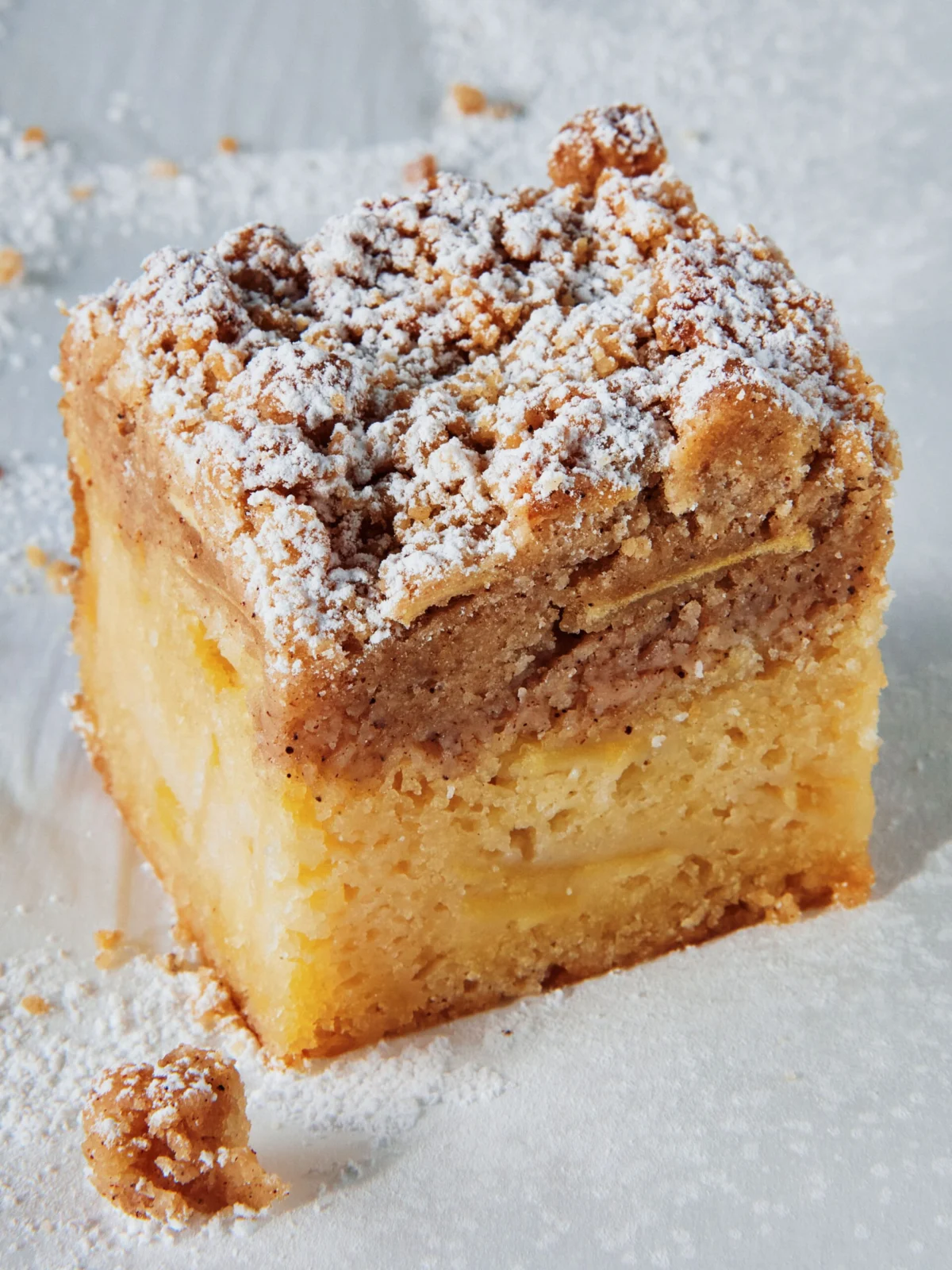
- 2020–2023: The "snacking cake" movement gained momentum. As consumers sought smaller, less labor-intensive treats during the pandemic, the Dutch apple snacking cake—often topped with a streusel of flour, butter, and brown sugar—replaced the more time-consuming lattice-crust pies as the home-baking project of choice.
- 2024–Present: Current trends indicate a fusion of textures. The industry is seeing an influx of recipes that pair the crisp, fresh bite of an apple with contrasting textures, such as salty cheese-based snacks or savory herbs, reflecting a shift toward balanced, sophisticated palates.
Expert Guidelines on Varietal Selection
For those operating in professional or advanced home kitchens, the choice of apple is no longer a matter of convenience but a critical design decision. Food scientists emphasize that the "hold" of an apple—its ability to maintain its shape during the baking process—is determined by its density.

Research suggests that high-acidity apples like Granny Smith provide a necessary counterpoint to the high sugar content of caramel-based desserts. Conversely, the sweetness of a Fuji or a Gala is best utilized in recipes that rely on the fruit’s natural sugars rather than added sweeteners. The following chart outlines the recommended application for the most common baking varieties:

| Apple Variety | Ideal Use Case | Texture Retention |
|---|---|---|
| Honeycrisp | Pies & Galettes | Excellent |
| Pink Lady | Tarts & Pastries | High |
| Braeburn | Snacking Cakes | Moderate |
| Granny Smith | Sauces & Fillings | Very High |
| Golden Delicious | Baked Whole/Stuffed | Low |
Culinary Implications and Industry Impact
The sustained popularity of apple desserts has significant implications for the supply chain. As retailers and bakeries pivot to seasonal menus, they rely on pre-harvest agreements with regional orchards to ensure a steady supply of high-quality baking fruit. The "buy local" movement has further bolstered this, as consumers increasingly seek out heirloom varieties that offer unique flavor profiles not found in mass-market, long-storage apples.

Furthermore, the integration of technology in the kitchen has changed how these desserts are prepared. Modern ovens with precise humidity controls allow bakers to achieve the "perfect" apple texture—soft on the inside while maintaining a structural integrity that prevents the dreaded "soggy bottom" in pastry-based desserts.

Sustainability and Waste Management
A critical component of modern apple-based baking is the movement toward zero-waste practices. Traditionally, apple peels were discarded, but professional chefs are increasingly finding ways to incorporate them into recipes. Apple skins can be dehydrated to create intense fruit powders for dusting, or reduced into syrups that capture the aromatic compounds of the apple, which are often concentrated in the skin.

From a sustainability standpoint, the use of local apples reduces the carbon footprint associated with long-distance produce transportation. When consumers and bakeries source from within their immediate geographic region, they not only ensure higher quality through freshness but also support local biodiversity, as many orchards maintain rare, non-commercial varieties that are vital to the health of the species.

Future Outlook: Beyond the Pie
As the food landscape continues to evolve, the application of apples in desserts is expected to become increasingly experimental. We are currently observing a trend where the "apple a day" adage is being reinterpreted through the lens of functional food. Incorporating apples into fermented desserts, such as kombucha-soaked cake or sourdough-apple fritters, is gaining traction. These methods introduce probiotics and complex, tangy flavor notes that distinguish these products from the overly sweet desserts of the past.

The industry is also seeing a resurgence of interest in historical preparation techniques. Methods such as "slow-roasting" or "confit," which involve cooking apples in fat or syrup over several hours at low temperatures, are being adapted for modern commercial ovens. This results in a product with a dense, jammy consistency that is highly sought after by high-end patisseries.

Ultimately, the enduring appeal of the apple in dessert culture is a testament to its reliability and adaptability. Whether it is a simple, rustic cake shared in a casual setting or a meticulously constructed tart presented in a fine-dining establishment, the apple remains the quintessential bridge between the summer harvest and the long winter months. As we move further into the season, the focus remains on enhancing the natural characteristics of the fruit, moving away from excessive sugar and toward techniques that highlight the delicate balance of tartness, acidity, and aromatic warmth that only the apple can provide.