
 Johny Marice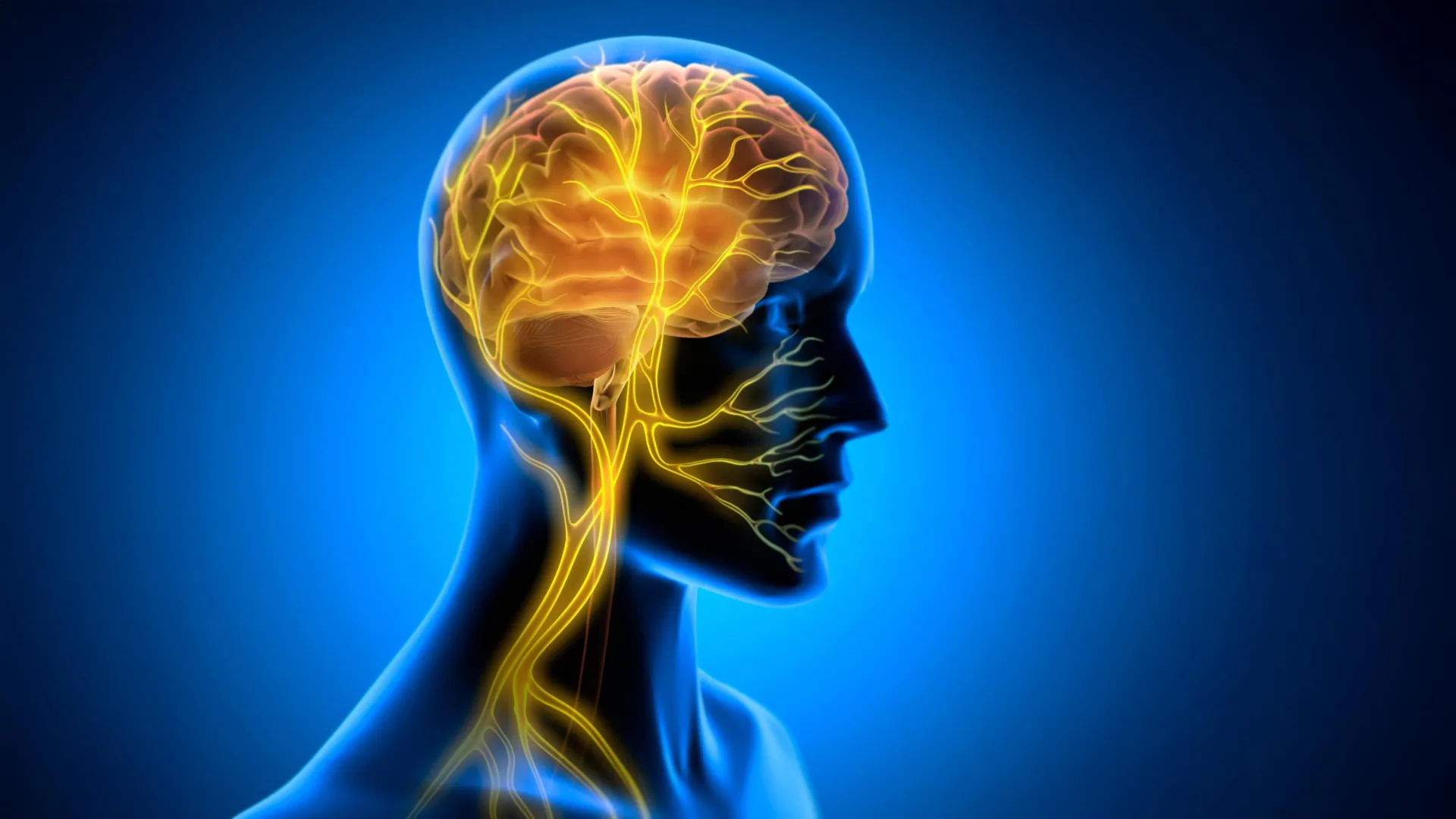
Why do some new skills seem to click almost instantly while others remain frustratingly difficult even after repeated practice? The disparity between rapid mastery and stagnant progress has long been attributed to individual talent, environmental factors, or the intensity of practice. However, emerging research from Tohoku University suggests that the architecture of learning is fundamentally tethered to the physiological state of the body. By leveraging the vagus nerve—the body’s primary information highway—researchers have identified a biological mechanism that acts as a gatekeeper for long-term memory consolidation, potentially unlocking a new frontier in neuroplasticity and skill acquisition.
The findings, published in the journal iScience on August 25, 2026, delineate a sophisticated interplay between bodily signals and the brain’s vascular environment. By stimulating the vagus nerve in the post-training period, scientists successfully amplified motor learning in murine models, providing a concrete biological basis for what researchers describe as a "hidden window of opportunity" for brain optimization.
The Anatomy of the Vagus Nerve and Neuromodulation
The vagus nerve, or the tenth cranial nerve, serves as the primary conduit for the parasympathetic nervous system, facilitating bidirectional communication between the viscera and the brainstem. It innervates the heart, lungs, and digestive tract, relaying sensory feedback that informs the brain of the body’s internal state. Historically, the medical application of Vagus Nerve Stimulation (VNS) has been reserved for clinical interventions, most notably as an FDA-approved treatment for refractory epilepsy and treatment-resistant depression.
In these traditional applications, VNS is understood to modulate neurotransmitter release—such as norepinephrine and acetylcholine—thereby dampening abnormal electrical activity in the brain. However, the study conducted by the Tohoku University team suggests that the influence of VNS extends far beyond simple neurotransmitter regulation. The researchers hypothesized that VNS also orchestrates rhythmic vascular changes within the brain, creating a metabolic environment conducive to synaptic strengthening.
Chronology of the Research Study
The study was conducted over a rigorous multi-month period, focusing on the horizontal optokinetic response (HOKR). This specific task requires the cerebellum to coordinate precise eye movements to stabilize vision while tracking moving visual stimuli—a mechanism analogous to the human vestibular-ocular reflex.
- Phase I: Surgical Preparation: Researchers implanted micro-cuff electrodes onto the left cervical vagus nerve of the mice. This precise positioning allowed for controlled, targeted electrical stimulation without disrupting the subjects’ normal behavioral patterns.
- Phase II: Baseline Training: The mice were subjected to HOKR training sessions, where they were required to track striped patterns. During this phase, performance was carefully calibrated to establish a control baseline.
- Phase III: The Post-Training Intervention: Unlike previous studies that applied stimulation during the learning event, this experiment specifically isolated the post-training window. VNS was delivered immediately following the completion of daily sessions.
- Phase IV: Data Collection and Observation: Over a five-day period, the team recorded motor performance gains and utilized fiber photometry to track blood volume oscillations within the cerebellar flocculus—the region of the brain responsible for fine-tuning ocular motor control.
The Mechanism of Vascular Rhythms
A central discovery of the Tohoku study is the biphasic vascular response triggered by VNS. Upon stimulation, the blood volume within the cerebellar flocculus underwent a distinct cycle: an initial, brief contraction, followed by a sustained period of increased blood flow. When VNS was administered repeatedly after training sessions, these changes transformed into rhythmic oscillations.
The correlation between these rhythms and learning efficacy was significant. Mice that exhibited higher-amplitude vascular oscillations by the fifth day of the experiment demonstrated marked improvements in their HOKR performance compared to the control group. This indicates that the vascular environment of the brain acts as a facilitator for long-term potentiation (LTP)—the process by which synapses strengthen based on recent activity. By "tuning" the brain’s metabolic state through vascular movement, VNS appears to stabilize the neural traces of newly acquired skills, rendering them more durable.
Official Perspectives and Expert Analysis
Professor Ko Matsui, the lead researcher on the project, emphasized that the timing of the intervention was the critical variable in the study’s success. "The key point is that VNS was delivered only after training," Matsui stated. "Our findings suggest that VNS may open a hidden window of opportunity for enhanced learning by making the brain environment more receptive to long-lasting change."
This sentiment is echoed by lead author Junyu Chen, who posits that the human perception of the brain as a detached control center is incomplete. "Our brains may be more strongly influenced by the body than we imagine," Chen observed. "By tuning the brain’s metabolic environment, including rhythmic vascular movements, we may eventually unlock capacities that would otherwise remain latent."
Outside observers in the field of neuroscience have noted that this research bridges the gap between systems biology and cognitive science. Dr. Elena Rodriguez, a neurophysiologist not involved in the study, noted that the focus on the post-training consolidation phase is a strategic shift in perspective. "Most learning research focuses on the ‘acquisition’ phase," Rodriguez said. "But the consolidation phase—where the brain actually writes the information to long-term storage—is where the real work happens. If VNS can influence the vascular environment during this window, we are looking at a potential paradigm shift in rehabilitation medicine."
Broader Implications and Future Trajectories
The implications of this research are vast, spanning from educational theory to physical therapy and neuro-rehabilitation. If the findings translate to human subjects, VNS could eventually be used to accelerate the recovery of motor skills in stroke victims or assist individuals with movement disorders.
However, the team acknowledges several hurdles that must be cleared before such technology reaches clinical practice. Future research must determine the optimal frequency and duration of stimulation required to induce these vascular rhythms in humans. Furthermore, the invasive nature of current electrode technology necessitates the development of non-invasive VNS (nVNS) devices—which stimulate the vagus nerve through the skin of the neck or ear—that can achieve the same level of precision.
The team at Tohoku University plans to expand their research to investigate the systemic effects of VNS on other cognitive domains, including memory retention and language acquisition. By deconstructing the two-way communication pathway between the body and the brain, the researchers hope to define the precise physiological parameters required for optimal learning.
A New Era of Targeted Neuro-Enhancement
As the global scientific community continues to grapple with the complexities of human cognition, the integration of bodily signals into models of brain plasticity appears increasingly necessary. The Tohoku study serves as a critical proof-of-concept that our internal organs are not merely passive recipients of brain commands, but active participants in the learning process.
For students, athletes, and patients alike, the ability to "prime" the brain for learning could represent the next step in human development. While the path from mouse models to human clinical application is fraught with biological complexity, the discovery of rhythmic vascular oscillations provides a clear target for future intervention. As we gain a deeper understanding of the vagus nerve’s role in the consolidation of memory, we move closer to a future where the frustration of the "learning plateau" may be a thing of the past, replaced by a scientifically guided approach to mastering new, complex skills.









