Danny Garick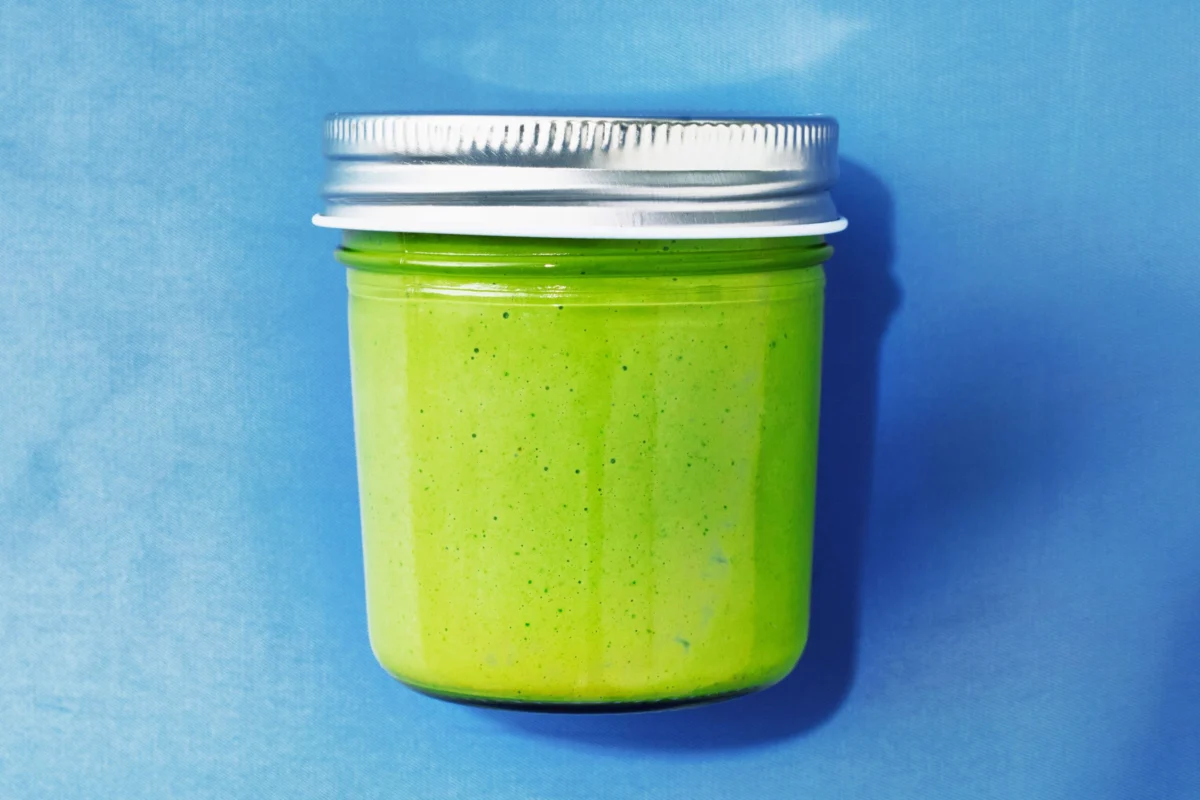
Green goddess dressing, a perennial favorite in American culinary circles, has re-emerged as a cornerstone of modern kitchen preparation, blending historical prestige with a contemporary focus on fresh, plant-centric ingredients. This vibrant, herb-forward condiment is characterized by its signature verdant hue and a complex flavor profile that balances acidity, creaminess, and umami. Unlike standard commercial dressings that often rely on dried aromatics and stabilizers, the authentic green goddess preparation utilizes a robust blend of tender herbs, citrus, and fermented elements to achieve a profile that is simultaneously refreshing and savory. As consumer preferences shift toward "clean label" ingredients and scratch-made kitchen staples, the dressing has seen a significant resurgence in both professional restaurant settings and domestic households.
Historical Chronology and Culinary Origins
The lineage of green goddess dressing is rooted in early 20th-century American high society, specifically within the burgeoning culinary scene of San Francisco. The dressing’s creation is widely attributed to Executive Chef Philip Roemer of the Palace Hotel in 1923. Roemer developed the recipe to honor actor George Arliss, who was staying at the hotel while performing in the lead role of William Archer’s hit play, "The Green Goddess."
During this era, the dressing was a symbol of luxury, served over canned artichokes—a delicacy at the time. The original 1920s composition was a variation of a classic French sauce au vert, utilizing a mayonnaise base enriched with tarragon, chives, parsley, and anchovies. Throughout the mid-20th century, particularly in the 1970s and 1980s, the dressing transitioned from an elite hotel specialty to a mainstream household staple. However, this period also saw the rise of shelf-stable, bottled versions which often sacrificed the bright, herbaceous notes of the original for chemical preservatives and sugar.
In the 2020s, a "Green Goddess Renaissance" occurred, fueled largely by social media trends and a renewed interest in Mediterranean-adjacent dieting. Modern iterations have expanded the original herb profile to include cilantro, mint, and dill, while also offering health-conscious substitutions for the traditional mayonnaise and sour cream base.
Composition and Flavor Profile Analysis
The defining characteristic of a true green goddess dressing is its reliance on fresh, "tender" herbs. Unlike woody herbs such as rosemary or thyme, tender herbs—including parsley, cilantro, dill, mint, chives, and tarragon—possess soft stems and high water content, allowing them to be pulverized into a smooth, liquid-adjacent consistency.
Tarragon serves as the foundational element in the classic preparation. Belonging to the sunflower family, tarragon (Artemisia dracunculus) provides a distinct anise-like or licorice flavor that separates green goddess from more common herb dressings like ranch. Chives contribute a mild allium depth without the overpowering pungency of raw garlic or onions.
The structural integrity of the dressing relies on an emulsion. Traditionally, a combination of mayonnaise and sour cream provides the necessary fat content to carry the volatile oils of the herbs. The inclusion of lemon juice serves a dual purpose: it acts as a brightener to cut through the richness of the fats and functions as an antioxidant to help maintain the dressing’s vivid green color, preventing the rapid oxidation of chlorophyll.
The Role of Umami and Ingredient Substitutions
A critical, though sometimes controversial, component of the dressing is the anchovy. These small, salt-cured fish provide the "savory backbone" or umami that elevates the dressing from a simple herb sauce to a complex condiment. Food scientists note that the glutamates found in anchovies interact with the salt and acid in the dressing to enhance the overall perception of flavor.
For modern consumers who are "tiny-fish-averse" or following vegan diets, culinary experts suggest several alternatives to replicate this depth. A pinch of monosodium glutamate (MSG) or a teaspoon of white miso paste can provide a similar umami profile without the fish-derived ingredients.
Texture and caloric density are also areas of frequent modification. While sour cream is the traditional choice for its rich mouthfeel and mild tang, whole-milk Greek yogurt has become the preferred substitute for those seeking higher protein content and a sharper acidity. Buttermilk and kefir are also utilized in thinner versions intended specifically for drizzling over delicate microgreens or as a marinade for poultry.
Market Data and Consumer Trends
The resurgence of green goddess dressing aligns with broader trends in the global condiment market. According to recent market research reports, the global salad dressing market is projected to reach a valuation of approximately $22 billion by 2028, with a compound annual growth rate (CAGR) of 4.5%. A significant portion of this growth is driven by the "premiumization" of the category, where consumers are willing to pay more for products that feature fresh ingredients and lack artificial colors.
Data from retail analysts indicate a 15% increase in the sales of fresh herbs in the United States over the last three fiscal years, a trend that correlates with the rise of DIY (do-it-yourself) kitchen culture. Furthermore, "Green Goddess" has seen a 120% increase in search volume on recipe platforms since 2021, spurred in part by viral "Green Goddess Salad" recipes that emphasize chopped cabbage and a high-protein herb dressing.
Professional Perspectives and Industry Responses
Culinary professionals emphasize that the versatility of the dressing is its greatest asset in a commercial kitchen. "Green goddess is no longer just a salad topper," notes a senior food stylist and recipe developer for a major New York culinary publication. "It is now being utilized as a dip for crudités, a spread for artisanal sandwiches, and a sauce for grilled proteins. Its ability to bridge the gap between a condiment and a sauce makes it a high-value item for menu development."
Inferred industry reactions suggest that high-end restaurants are increasingly moving away from pre-made dressings to focus on "signature" house-made versions. This shift is viewed as a response to consumer demand for transparency and "from-scratch" authenticity. Chefs note that because the dressing is highly customizable—allowing for the use of seasonal herbs—it provides a way for a kitchen to demonstrate its commitment to freshness and seasonal sourcing.
Nutritional Profile and Health Implications
From a nutritional standpoint, green goddess dressing offers several advantages over its counterparts. The heavy reliance on fresh herbs introduces a variety of phytonutrients and antioxidants. Parsley, for instance, is a significant source of Vitamin K, which is essential for bone health and blood clotting. Cilantro and mint are noted for their digestive benefits and antimicrobial properties.
However, the caloric density can vary significantly based on the base ingredients. A traditional mayonnaise-based dressing may contain 100-120 calories per two-stroke serving, whereas a yogurt-based version can reduce that count by nearly 40% while doubling the protein content. Nutritionists often recommend the dressing as a vehicle for increasing vegetable consumption, as its palatability encourages the intake of raw, fiber-rich cruciferous vegetables and leafy greens.
Broader Implications for Home Cooking and Sustainability
The popularity of green goddess dressing also touches upon themes of domestic sustainability and food waste reduction. The recipe is frequently cited as an "everything but the kitchen sink" solution for utilizing herb bundles that are nearing the end of their shelf life. By blending wilting parsley or scallion tops into a dressing, consumers can extend the utility of their grocery purchases, aligning with modern movements toward zero-waste cooking.
Furthermore, the shift toward making dressings at home reduces the demand for single-use plastic bottles associated with commercial condiments. This behavioral change, while small on an individual scale, contributes to a larger reduction in household plastic waste when adopted by a significant portion of the population.
Future Outlook in the Culinary Landscape
As the culinary world continues to evolve, green goddess dressing is expected to maintain its relevance through further innovation. We are already seeing "globalized" versions of the dressing that incorporate ingredients like gochujang for heat, tahini for a nutty undertone, or preserved lemon for a North African twist.
The transition of green goddess from a 1920s luxury item to a 1970s health food staple, and finally to a 2020s social media phenomenon, illustrates the cyclical nature of food trends. Its enduring appeal lies in its fundamental balance of flavors—the brightness of the lemon, the richness of the dairy, the savory depth of the anchovy, and the aromatic complexity of the herbs.
In conclusion, green goddess dressing represents more than just a culinary topping; it is a testament to the longevity of well-balanced flavors and the ongoing consumer preference for fresh, customizable, and nutrient-dense food options. Whether served in a five-star hotel or prepared in a home blender, it remains a quintessential example of American culinary ingenuity. As the food industry continues to prioritize health and authenticity, the "green goddess" is likely to remain a permanent resident in the modern refrigerator, continuing its century-long legacy of flavor and versatility.