Reynand Wu
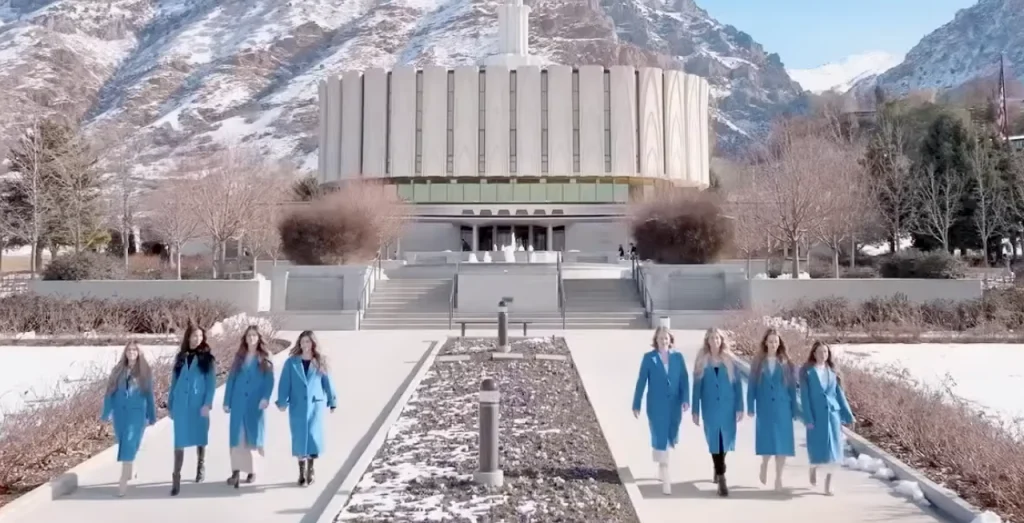
The 2024 cultural phenomenon surrounding the Hulu reality series The Secret Lives of Mormon Wives has thrust a specific subset of Utah-based social media influencers into the national spotlight. Comprising seven young women collectively known as #MomTok, the cast has captivated audiences by balancing the polished, high-aesthetic world of influencer culture with the rigid, conservative expectations of the Church of Jesus Christ of Latter-day Saints (LDS). While the series initially drew viewership through the viral "soft swinging" scandal, a sociological analysis of the program reveals a deeper, more intricate narrative: a generation of women actively maneuvering between religious devotion and the modern autonomy of the digital creator economy.
The Rise of #MomTok and the Genesis of the Scandal
The #MomTok phenomenon began on TikTok, where these women gained followings by documenting their lives as young, affluent, and aesthetically uniform mothers in Utah. Their content—often characterized by choreographed dances, lifestyle vlogs, and humor—presented a curated vision of "Mormon girlhood." However, the facade of traditional perfection began to fracture in the public eye when allegations of "soft swinging"—a form of non-monogamy involving sexual exploration that stops short of intercourse—emerged among members of the group.
The ensuing media firestorm served as the catalyst for the Hulu production. Chronologically, the shift from grassroots TikTok fame to mainstream reality television occurred rapidly throughout 2024. As the cameras began rolling, the series captured the fallout of these private indiscretions, forcing the cast to reconcile their public brand—centered on wholesome, faith-based motherhood—with the reality of their private, non-traditional behaviors. This tension provides the narrative backbone for the series, documenting how these women navigate the judgment of their religious community while maintaining their status as independent economic entities.
Challenging the Breadwinner-Homemaker Dichotomy
A defining characteristic of the #MomTok cast is their explicit rejection of the traditional breadwinner-homemaker model, which has historically been central to the LDS family structure. Sociological data indicates that all seven primary cast members serve as the primary financial providers for their households. In several instances, this shift in economic power has led to unconventional domestic arrangements.
For example, the show highlights narratives where husbands pursue advanced education, such as medical school, while the wives fund the household through lucrative brand partnerships and social media monetization. In one notable instance, a cast member described her husband entering a "stay-at-home dad era" because her digital earnings significantly eclipsed his potential annual salary. This transition represents a profound departure from the patriarchal norms typically associated with the faith. By centering the woman as the primary earner, these influencers are not merely acting as modern career women; they are dismantling the traditional power hierarchy that suggests a wife’s primary role is domestic subordination.
The Aesthetics of Divine Femininity
Despite their subversion of domestic roles, the cast remains firmly entrenched in a hyper-feminine aesthetic. The "MomTok look"—characterized by long, voluminous hair, heavy bronzing, and an emphasis on youth—serves as a visual bridge between secular influencer trends and the specific cultural pressures of Utah. This commitment to aesthetic perfection is underscored by an openness regarding cosmetic procedures.
Members of the cast frequently discuss "mommy makeovers," including breast augmentations and labiaplasties, with a candidness that contrasts sharply with the modesty requirements traditionally associated with the LDS Church. This creates a fascinating paradox: the women utilize the tools of modern cosmetic medicine to conform to a specific, idealized version of beauty, even as they claim to be breaking away from the behavioral restrictions of their faith.
This behavior aligns with the concept of "divine femininity," a framework often cited within the church that posits feminine qualities—such as nurturing and sensuality—as inherently sacred and powerful. The cast of the series has effectively repurposed this doctrine, transitioning it from a mandate for submission to a tool for personal empowerment. By framing their aesthetic choices and their boundaries as "internal and empowering," they perform a form of gender maneuvering. They are not rejecting the binary of "masculine" and "feminine," but rather repackaging it to suit a modern, individualistic lifestyle.
The Art of Bending, Not Breaking
The most compelling aspect of the series lies in how the cast navigates the LDS "Word of Wisdom"—a health code that prohibits the consumption of alcohol, tobacco, and illicit drugs. The cast members consistently engage in "rule-bending" rather than "rule-breaking," a strategy that allows them to maintain their religious identity while participating in secular activities.
A primary example occurred in the first season, when cast members utilized nitrous oxide (laughing gas) while receiving Botox injections. By framing the drug use as a component of "beauty maintenance" rather than recreational indulgence, the women effectively circumvented the prohibition against mind-altering substances. Similarly, the use of ketamine—often justified by the cast as a therapeutic intervention for mental health—is categorized as a "gray area." By anchoring their choices in health and self-care, the women insulate themselves from the charge of spiritual transgression, effectively creating a private, modern interpretation of LDS standards.
This logic extends to the realm of sexuality. In one instance, a cast member agreed to promote a sex toy on her social media platform, justifying the endorsement by framing it as a tool for strengthening marital intimacy. By linking the product to the sanctity of marriage, she avoided a direct conflict with the LDS Law of Chastity. This maneuver is emblematic of the group’s broader approach: they do not seek to leave the church, but rather to exist within it by subtly reinterpreting the boundaries of acceptable behavior.
Broader Sociological Implications
The behavior observed in The Secret Lives of Mormon Wives provides a microcosm for the evolution of gender roles in conservative religious communities. The "soft swinging" scandal and the subsequent public discourse have forced an uncomfortable conversation within the LDS community regarding the limits of autonomy.
While official statements from the LDS Church typically emphasize the importance of traditional family structures and adherence to the Law of Chastity, the influence of these women suggests that social media has created a new, decentralized space for religious expression. The women of #MomTok are not necessarily acting as rebels against their faith; rather, they are performing a "negotiated religion." They are attempting to be both modern, financially independent influencers and faithful members of their community.
The implications for the broader cultural landscape are significant. As digital platforms continue to provide women with independent revenue streams, the traditional levers of institutional control—such as financial dependence on a husband or the threat of social ostracization—begin to lose their efficacy. The cast’s ability to "bend" the rules suggests that they have gained a level of leverage that was previously unavailable to women in such conservative environments.
Analysis: A New Generation of Influence
The success of The Secret Lives of Mormon Wives is not merely due to its sensationalist elements; it is rooted in the viewer’s fascination with the tension between two worlds. The show functions as an ongoing case study in how individuals navigate institutional authority in an era of personal branding.
By analyzing the transcripts and behavioral patterns of the cast, it becomes clear that these women are engaged in a conscious effort to rewrite the script of their own lives. They are not seeking to dismantle the LDS Church, nor are they fully embracing secular liberalism. Instead, they are carving out a third space—a "gray area" where they can exercise agency while remaining tethered to their cultural and religious roots.
Whether this form of "gender maneuvering" is sustainable remains an open question. As the series moves into future seasons, the friction between these women’s evolving public personas and the rigid expectations of their faith will likely continue to intensify. For now, however, the cast of #MomTok serves as a potent example of how modern technology and the creator economy are reshaping the intersection of personal identity and institutional dogma. Their journey is one of constant negotiation, proving that in the digital age, the "secret lives" of any community are rarely as monolithic or as compliant as they may appear from the outside.