
 Reynand Wu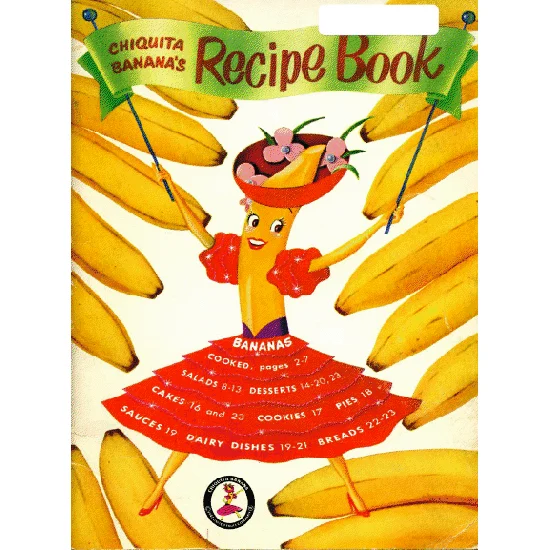
Over the course of the past year, the iconic M&M’s mascots have been at the epicenter of a swirling public debate, dominating news cycles, social media discourse, and even prime-time Super Bowl commercials. This unexpected cultural flashpoint began with Mars Wrigley, the confectionery giant behind the beloved chocolate candies, announcing a series of subtle yet symbolically significant alterations to its animated "spokescandies," ostensibly in a push toward more inclusive marketing. What ensued was a protracted and often vitriolic "culture war" that laid bare underlying tensions surrounding gender representation, corporate social responsibility, and the evolving landscape of identity politics.
The Catalyst: A Shift Towards Inclusivity
The initial changes, unveiled in January 2022, focused primarily on the female M&M characters. The brown M&M, known for her sophisticated demeanor, had her stiletto heels shortened to a more sensible block heel. Simultaneously, the green M&M, long portrayed with a flirtatious and overtly sexy persona, saw her go-go boots replaced with practical sneakers. Mars Wrigley’s official statement framed these modifications as an effort to create a "more dynamic, progressive world" where characters would reflect "the diversity of our consumers." The brand aimed to modernize its characters, making them more representative and relatable, while emphasizing "personalities, not body shapes." This move was part of a broader corporate initiative by Mars, Incorporated, which pledged to invest in diversity and inclusion efforts across its portfolio. The company stated its goal was to make its characters "more current and representative of our consumer base," aspiring to create a world where everyone feels they belong.
The Outcry: Media Backlash and Culture War Dynamics
Far from being met with universal acclaim, these seemingly minor aesthetic adjustments ignited a firestorm of outrage, particularly within conservative media circles. Fox News commentator Tucker Carlson quickly emerged as a prominent voice of the backlash, lambasting the changes as an example of "woke" corporate overreach. Carlson famously stated, "M&M’s will not be satisfied until every last cartoon character is deeply unappealing and totally androgynous." His critique, widely echoed across right-leaning platforms, framed the redesign as an assault on traditional femininity and an attempt to strip characters of their distinct, even alluring, qualities in the name of a progressive agenda.
The controversy was not confined to conservative outlets. The Rolling Stone article titled, "Let the Green M&M Be a Nasty Little Slut," penned by senior writer EJ Dickson, offered a different, albeit similarly critical, perspective. Dickson argued, "The green M&M has spent decades building her brand as a horny, sexy bitch, and for what? For her creators to give her Larry David footwear in the name of feminism?" This commentary, while distinct from Carlson’s conservative stance, also expressed a sense of loss regarding the character’s established identity, suggesting that the changes felt performative or misguided in their feminist intentions. The widespread media attention highlighted the deeply entrenched and often contradictory expectations placed on female representation in popular culture.
Escalation and Further Changes
The narrative surrounding the M&M’s mascots continued to evolve. By September 2022, Mars Wrigley introduced a new character: the purple M&M. Designed to embody "self-acceptance and authenticity," Purple was positioned as the first new female M&M character in over a decade. Her debut was accompanied by a musical single, "I’m Just Gonna Be Me," further emphasizing her message of individuality and inclusivity.
However, the introduction of Purple only served to reignite the "culture war." Tucker Carlson once again seized on the opportunity to criticize Mars Wrigley, remarking on FOX News, "The green M&M got her boots back, but apparently is now a lesbian maybe? And now there’s a plus-sized, obese purple M&M." These comments, while dismissed by many as nonsensical and deliberately provocative, underscored the intense scrutiny and politicization of the M&M’s brand. The sustained public pressure and media scrutiny ultimately led to Mars’ temporary suspension of their "spokescandies" in January 2023. In a statement, Mars Wrigley acknowledged that "even a candy’s shoes can be polarizing" and stated their intention to step back from the debate. They announced that the beloved characters would be replaced by human spokesperson Maya Rudolph, a move intended to "help us all understand that candy can still be fun." This strategic pivot aimed to de-escalate the situation and shift the brand’s focus away from the contentious character redesigns.
Historical Context of Brand Sexualization
The M&M’s controversy, while seemingly trivial on the surface, tapped into a long history of brand sexualization in advertising, particularly concerning female characters. This practice is not new to the confectionery industry or consumer products at large. Decades before the M&M’s redesign, the Chiquita Banana, the world’s first branded fruit, made her debut in the 1940s. The original Miss Chiquita Banana was often racialized and overtly sexualized to appeal to the American market. Her femininity was frequently exaggerated through flirtatious winking, eye-rolling, frilly dresses, and bold lipstick, establishing a precedent for personified brands leveraging sexual appeal to market products.
M&M’s itself has a well-documented history of employing similar strategies with its female spokescandies. The hypersexualization of characters like the green M&M was evident not only in her attire but also in the explicit nature of many commercials. Past advertisements have depicted the green M&M in suggestive scenarios, including pole dancing, stripping, and provocatively interacting with chocolate. Crucially, these commercials often featured the male M&M characters observing her with evident desire, thereby reinforcing the pervasive "male gaze." The male gaze, a concept deeply rooted in feminist film theory, describes the way women are often depicted in visual media from a masculine, heterosexual perspective, presenting women as passive "objects" of men’s sexual desires rather than active subjects with their own agency. This long-standing marketing approach created a specific expectation among consumers regarding the female M&M’s persona, making any deviation from it a point of contention for some.
Sociological Lenses: Emphasized Femininity and the Male Gaze
The public outcry surrounding the M&M’s character redesigns offers a compelling case study for sociological concepts like "emphasized femininity" and its intersection with "hegemonic masculinity." Emphasized femininity refers to a set of traditional feminine norms and behaviors that are often socially encouraged because they accommodate men’s sexual appetites and desire for control. This framework legitimizes existing gender hierarchies and perpetuates various forms of oppression by encouraging women to adopt roles and appearances that are pleasing or non-threatening to men.
When the female M&M’s characters became less conventionally "sexy" or "attractive" in the traditional, objectified sense, those who subscribe to ideals of hegemonic masculinity — a dominant form of masculinity that privileges aggression, heterosexuality, and the subordination of women — felt directly threatened. Their anger, as evidenced by Carlson’s remarks, stemmed from a perceived challenge to their sexual desires not being satisfied, even in the abstract context of animated candy mascots. This reaction highlights a societal expectation that women, even fictional ones, exist to cater to male desires and validate masculine identity.
Sociological research indicates that women who deviate from these "stereotypical cultural notions" of emphasized femininity often face social pushback. As women increasingly resist accommodating traditional gender norms, men are forced to "negotiate the dilemma of incorporating women’s resistance into their masculine identity projects." This struggle can manifest as anger or denigration. The outrage reveals that women face the prospect of being labeled "socially undesirable" or "unappealing" when they exhibit characteristics deemed "masculine" or non-compliant with traditional feminine roles. Carlson’s provocative statement, "When you’re totally turned off, we’ve achieved equity," encapsulates this sentiment, suggesting that any move away from female sexual objectification is seen as a direct affront to male pleasure and a threat to established power dynamics. In a patriarchal society, a woman exhibiting defiance or authority is often stigmatized or "feminized" in a derogatory way unless her behavior can be reinterpreted to align with male expectations. Thus, a woman who steps out of line might be labeled a "bitch," a "lesbian," or a "slut"—terms frequently weaponized to control and diminish female agency. The M&M’s controversy starkly illustrated that, for some, the perceived value of women, even fictional ones, remains contingent on their subservience to the male gaze and adherence to specific aesthetic standards.
Marketing and Brand Strategy in a Polarized Climate
The M&M’s saga also provides crucial insights into the complexities of modern brand strategy, particularly for global corporations navigating increasingly polarized social and political landscapes. Mars Wrigley’s initial move towards inclusive marketing reflected a broader trend among brands attempting to align with contemporary values and appeal to diverse consumer segments, especially younger demographics who often prioritize social responsibility. Data from numerous marketing surveys indicates that a significant portion of consumers, particularly Gen Z and Millennials, prefer to buy from brands that demonstrate a commitment to social causes and inclusivity. For instance, a 2021 study by Accenture found that 62% of consumers want companies to stand for something and are drawn to brands with purpose.
However, the intense backlash demonstrated the significant risks involved. While inclusive marketing can strengthen brand loyalty among certain demographics, it can also alienate traditional customer bases or become a target in the ongoing "culture wars." Mars Wrigley’s decision to temporarily suspend the spokescandies and introduce Maya Rudolph as a human ambassador was a pragmatic attempt to depoliticize the brand. It represented a strategic retreat from a battleground that was overshadowing their core product. The move aimed to shift the conversation from character aesthetics and gender politics back to the simple enjoyment of candy, a "safe" and universally appealing message. This highlights the delicate balancing act brands face: how to evolve with societal values without becoming embroiled in divisive political debates that can damage brand reputation and profitability.
Broader Societal Implications: Youth and Gender Perceptions
Beyond the immediate marketing implications, the hypersexualization of women in media, exemplified even by candy mascots, carries profoundly harmful societal consequences, particularly for young people. Adolescents’ constant exposure to a sexualized media environment contributes to their recognition of women as primarily sex objects. When girls and young women repeatedly see their bodies objectified, they begin to internalize the idea that their physical appearance and sexual appeal are their most valuable attributes. This can lead to body dissatisfaction, self-objectification, and a heightened awareness of being perceived as "sexual playthings waiting to please men’s sexual desires." Such internalization can result in feelings of unworthiness if they do not conform to narrow and often unrealistic societal standards of beauty and sexuality.
The M&M’s controversy, absurd as it might seem, sends a tangible message. When prominent media figures express outrage over a cartoon candy character’s shoe change, it reinforces the societal pressure on women to conform to specific aesthetic and behavioral norms. This trivialization of a serious issue—the objectification of women—demonstrates how deeply ingrained these expectations are. The fact that a "culture war" was waged over cartoon characters underscores the power of symbols and narratives in shaping perceptions. The real-world implications of such controversies are far-reaching, contributing to a cultural environment where the sexualization of women, whether mascots or real individuals, is normalized and defended.
Conclusion: Moving Forward
The M&M’s mascot controversy serves as a microcosm of broader societal struggles surrounding gender, representation, and identity in the 21st century. It underscores the challenges brands face when attempting to navigate evolving social values and the fierce resistance encountered when traditional norms are challenged, however subtly. While the immediate crisis was addressed by Mars Wrigley’s strategic shift to a human ambassador, the underlying issues persist. The incident vividly illustrated that the "vicious cycle of sexualizing women, mascots or not, for profit must be brought to an end," and that prominent figures have a responsibility to recognize that "the oppression of others is not a punchline." The M&M’s saga, far from being a mere confectionary kerfuffle, offered a stark reflection of deeply held societal biases and the ongoing cultural battle for more equitable and inclusive representation.







