
 Reynand Wu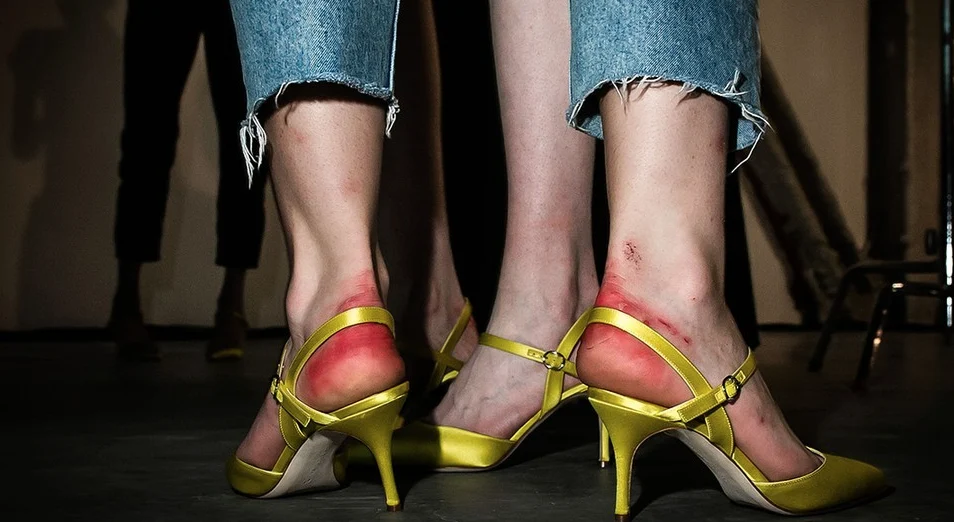
A recent photograph by Dina Litovsky, capturing a model’s visibly inflamed feet squeezed into slingback heels during a high-profile fashion event, has ignited a fierce debate across social media platforms and mainstream news outlets. The image, shared widely by influential accounts including National Geographic and numerous Instagram personalities, quickly garnered over 500,000 likes and a torrent of comments critical of the fashion industry’s perceived prioritization of aesthetics over the physical well-being of its models. This incident is not an isolated occurrence but rather the latest in a long history of viral images exposing the often-painful realities behind the glittering facade of haute couture, echoing a similar uproar caused by photos of models’ battered and bruised feet after Louis Vuitton’s 2012 show in Paris. These recurring glimpses into the physical toll demanded by the runway underscore a deeply ingrained ethos within the fashion world: the adage that "beauty is pain."
A Recurring Narrative: A Chronology of Discomfort
Dina Litovsky, a photographer renowned for her documentary-style approach to capturing the backstage realities of fashion week, released the image that would soon become a flashpoint in September 2023. The photograph, part of a series delving into the intense and often unseen aspects of the modeling industry, depicted a model’s foot in stark, raw detail – swollen, red, and clearly chafed by the restrictive footwear. The immediate and widespread public reaction highlighted a growing discomfort with the perceived excesses of the industry, fueled by an increasingly transparent digital landscape where such images can instantly bypass traditional gatekeepers and reach a global audience. The photo’s virality was not just a testament to Litovsky’s keen eye but also to a collective public consciousness questioning the human cost of aspirational beauty.
This incident, while recent, is a powerful echo of past controversies. Back in October 2011, following the grueling month-long circuit of New York, London, Milan, and Paris Fashion Weeks, images surfaced depicting the severely blistered and bruised feet of models backstage at the Louis Vuitton Spring/Summer 2012 show. These photos, circulated widely by publications like the Daily Mail, revealed the raw aftermath of days spent navigating runways in often ill-fitting or excessively high heels, exposing a hidden truth about the industry’s demands. Legendary supermodel Naomi Campbell famously tumbled on the Vivienne Westwood runway in 1993, an iconic moment that underscored the precariousness of high fashion footwear, and countless other models have recounted similar struggles, from falls to enduring pain for the sake of a designer’s vision. These recurring episodes paint a clear picture: the sacrifice of physical comfort for sartorial spectacle is not an anomaly but a systemic feature of the fashion world. The relentless schedule of fashion weeks, involving multiple shows, fittings, and rehearsals daily, exacerbates these pressures, leaving models with little time for recovery or respite.
The Price of Professionalism: Model Agency and Industry Pressure
Within the highly competitive and hierarchical fashion industry, models often find themselves in a precarious position, particularly those with less established careers. While high-profile models have historically demonstrated the agency to refuse to wear outrageous or unwearable shoes – Naomi Campbell and Lindsey Wixson are notable examples – such defiance often comes with significant career risks. For many, especially those striving to make a name for themselves, refusing a designer’s vision, however painful, can lead to being perceived as "unprofessional" or "difficult," potentially jeopardizing future bookings and career advancement. This dynamic exposes a critical imbalance of power, where the pursuit of a unique aesthetic often overrides concerns for the models’ physical well-being.
The industry frequently valorizes models for their capacity to endure long, arduous shoots and to hold physically demanding poses, sometimes overtly contortionist, as seen in campaigns for brands like Stella McCartney or Loewe. This unspoken expectation frames endurance not just as a necessary evil but as a measure of a model’s "professionalism." However, measuring professionalism by one’s willingness to tolerate pain reveals a toxic facet of the industry, where maintaining a professional image comes at the direct expense of personal well-being. Phrases like "beauty is pain" and "look good, feel good," pervasive in fashion and beauty discourse, subtly link an individual’s appearance to their inherent value and capabilities, effectively normalizing and even glorifying discomfort. On the catwalk, these professional norms significantly skew models’ agency, compelling them to pay a physical price to uphold and justify the industry’s often extreme aesthetic demands. The average working hours for models during fashion week can stretch to 12-16 hours a day, often standing for extended periods, undergoing multiple hair and makeup changes, and walking in challenging garments and footwear. A 2017 survey by The Model Alliance, a non-profit research and advocacy organization, revealed that 68% of models reported experiencing pressure to lose weight, and many cited instances of exploitation, including being forced into uncomfortable or unsafe situations.
Sociological Lens: Deconstructing Beauty Standards
The runway shoes, oscillating between symbols of empowerment and instruments of oppression, highlight a deeper sociological phenomenon. Models, as "aesthetic laborers," embody cultural ideals of gender, race, class, and sexual identity, simultaneously commodifying their personhood. Empowered by the high fashion industry’s exclusivity and idealism, models often navigate isolating and demanding work conditions. These striking images "serve looks" in the colloquial sense, but more profoundly, they serve as potent reminders of societal beauty expectations that reinforce cultural standards shaped by power, race, and status.
Sociologist Ashley Mears, in her insightful ethnography Pricing Beauty, meticulously unpacks how these industry ideals become prescriptive, shaping broader cultural expectations of how individuals, particularly women, should look and present themselves. Mears argues that models are not merely passive canvases but active participants in the production of aspirational beauty, yet they operate within a system that often devalues their labor and human experience in favor of the final aesthetic product. The commodification of their bodies and identities creates a unique form of labor where self-worth can become inextricably linked to their market value.
This link between pain, beauty, and perceived value extends far beyond the confines of the fashion runway, permeating the everyday lives of consumers. In her seminal essay "Always Be Optimizing," Jia Tolentino articulates how gendered beauty ideals have subtly morphed into a pervasive pursuit of "self-optimization," a phenomenon that often masks deeply oppressive cultural beauty standards. Narrating her experiences with intense Pilates and barre workouts, Tolentino observes how painful practices are reframed as "self-care," as "sweating it out," and as a path to achieving a toned and sculpted body. Crucially, this narrative presents an illusion of "agency"—the choice to engage in "self-care" and "optimize" one’s physique. These seductive lures, predicated on the idea that "look good, feel good" and "beauty is pain," serve to justify the physical aches and pains endured in the pursuit of an idealized aesthetic. Shoes, in this context, transcend their utilitarian function, becoming vehicles for gendered cultural and societal expectations, standards, and ideals that are relentlessly pursued and often praised, despite the inherent discomfort or harm. The global beauty and personal care market was valued at approximately $532 billion in 2022 and is projected to grow significantly, illustrating the immense economic power behind these beauty ideals. This growth is often fueled by products and services promising "optimization," from diet plans to cosmetic procedures, all implicitly reinforcing the notion that constant self-improvement, even if painful, is a virtuous pursuit.
The Economic Imperative and Industry Response
The global fashion industry is a multi-trillion-dollar behemoth, with haute couture serving as its aspirational apex. The drive for spectacle, innovation, and brand differentiation often takes precedence, leading designers to push boundaries with avant-garde and sometimes impractical creations, including footwear. Unwearable shoes, in this context, are not merely functional items but artistic statements, designed to provoke, to capture attention, and to reinforce a brand’s unique identity. The commercial success of a collection, amplified by media buzz and viral moments, can have significant financial implications for designers and fashion houses.
While individual designers or brands rarely issue official statements directly addressing the pain inflicted on models by specific garments, the industry as a whole has faced increasing pressure to address ethical concerns. Over the past decade, there has been a slow but discernible shift towards conversations about model wellness, diversity, and sustainability. Organizations like the Model Alliance, founded in 2012, have been instrumental in advocating for better labor protections, safer working conditions, and improved mental and physical health support for models. Their efforts have led to some legislative changes, such as the Child Performers Act in New York, which extends labor protections to underage models. However, widespread enforcement and a fundamental shift in industry culture remain ongoing challenges. Many brands now highlight "wellness" or "empowerment" in their marketing, often as a response to public criticism and a growing demand for ethical consumerism, though the tangible impact on models’ day-to-day experiences can vary.
Beyond the Runway: Cultural Implications for the Consumer
The aesthetic choices made on the runway do not exist in a vacuum; they inevitably trickle down, influencing fast fashion trends, retail offerings, and broader consumer expectations. When extreme footwear or restrictive garments are normalized in high fashion, they contribute to a cultural landscape where discomfort is implicitly accepted, or even desired, in the pursuit of beauty. This has profound psychological and social implications for the everyday consumer, particularly women, who are constantly bombarded with aspirational images that often demand physical sacrifice.
The perpetuation of the "beauty is pain" myth impacts how individuals perceive their bodies, their self-worth, and their agency. It can foster a cycle of endless self-improvement, where one’s natural state is deemed insufficient, and constant effort—often painful and expensive—is required to meet an ever-shifting ideal. This phenomenon is inextricably linked to broader societal constructs of gender, race, and class, as beauty standards historically reflect and reinforce dominant power structures. For instance, Western beauty ideals, often promoted through fashion, can place undue pressure on individuals from diverse backgrounds to conform to narrow and sometimes unattainable standards. The global market for high heels alone, for example, was valued at over $40 billion in 2022, indicating a massive consumer base willing to invest in footwear often associated with discomfort for reasons of style, status, or perceived professional advantage.
Towards a More Equitable Future? Calls for Change
The recurring viral images of models’ suffering feet serve as potent reminders that the fashion industry, despite its glamour and artistic ambitions, still grapples with fundamental ethical questions regarding human well-being. However, these controversies also fuel a growing demand for change. There is an increasing call for ethical fashion practices that prioritize not only environmental sustainability but also fair labor conditions and the health of all individuals involved in the production and presentation of fashion.
Social media, while a vehicle for viral shaming, also provides a platform for advocacy, allowing models, activists, and concerned consumers to collectively voice their demands for greater transparency and accountability. Designers and brands are increasingly challenged to innovate without resorting to harmful practices, to create beauty that is both inspiring and humane. The future of fashion may lie in a delicate balance: preserving artistic expression while fostering an environment where models are treated with dignity, their well-being prioritized, and where the narrative of "beauty is pain" is finally relegated to the annals of history. As consumer awareness grows and ethical considerations gain prominence, the industry faces an imperative to evolve, moving towards a more inclusive and compassionate definition of beauty—one that values health and comfort as much as aesthetics.
The viral image captured by Dina Litovsky is more than just a photograph; it is a critical commentary, a moment of collective reflection, and a renewed call for the fashion industry to confront the enduring tension between artistic vision, commercial imperatives, and the fundamental human cost of its aspirational ideals. It underscores that true progress in fashion must extend beyond aesthetics to embrace genuine ethical responsibility, ensuring that the pursuit of beauty no longer necessitates the endurance of pain.









