Ferry Irwandi
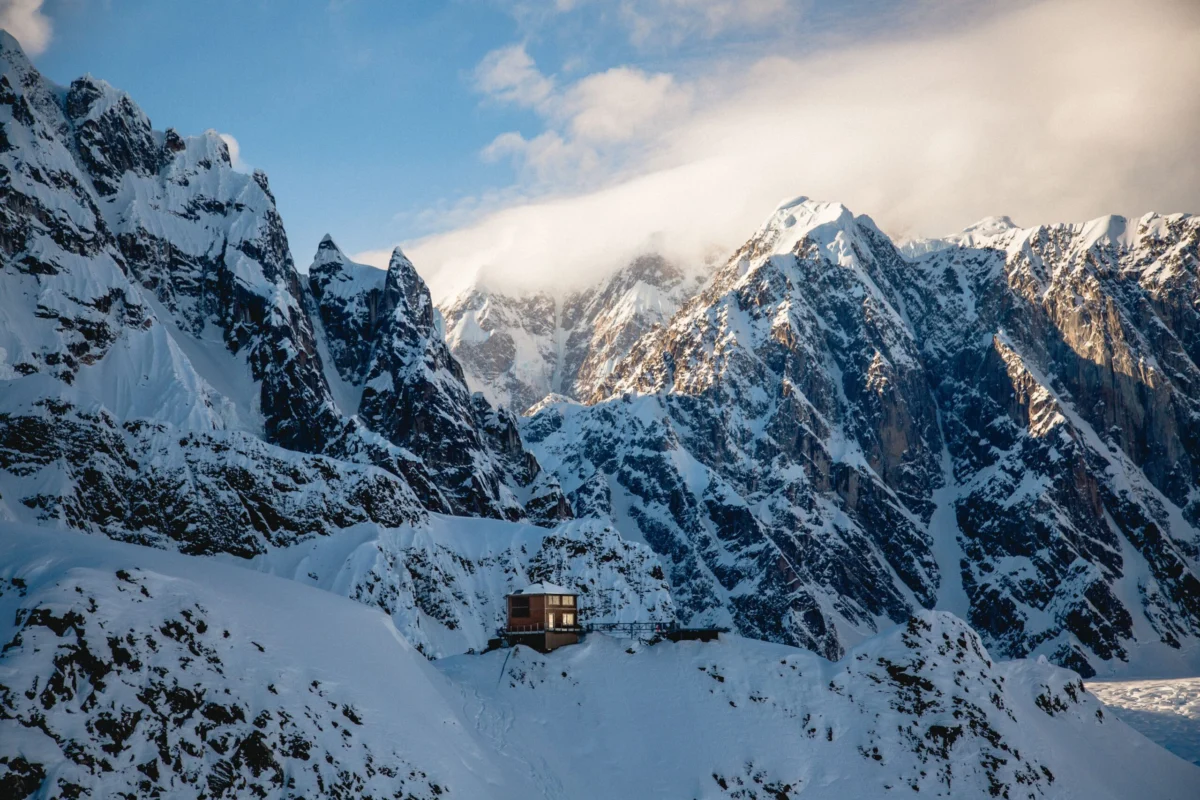
Denali National Park and Preserve remains one of North America’s most spectacular wilderness sanctuaries, drawing hundreds of thousands of visitors each year to its six million acres of pristine Alaskan landscape. However, planning a trip to this iconic destination requires careful preparation, particularly in light of ongoing geological challenges that have significantly altered access to the park’s interior. As park officials work to manage natural hazards, maintain historic traditions like the working sled dog kennels, and balance visitor safety with wilderness preservation, travelers must navigate a shifting landscape of transportation options, strict wildlife protocols, and diverse recreational opportunities both inside and outside the park boundary.
Current Access Realities and the Pretty Rocks Land Slump
The primary corridor for exploring the park is the 92-mile Denali Park Road, the singular vehicular route that stretches from the Parks Highway deep into the heart of the wilderness. Historically, narrated tour buses and hop-on, hop-off transit buses provided comprehensive journeys along the entirety of the road, offering visitors deep-penetration access to the park’s remote regions, high mountain passes, and abundant wildlife viewing areas.
However, the logistics of traveling the park road have fundamentally changed due to a persistent and aggressive geological event known as the Pretty Rocks land slump. Located near mile 45, the Pretty Rocks area has experienced accelerated movement driven by warming permafrost and shifting subterranean conditions. Geological monitoring by the National Park Service (NPS) revealed that the roadbed in this section began sliding away at unprecedented rates, rendering it impassable and unsafe for vehicular traffic.
Consequently, the National Park Service implemented a partial closure of the park road. All standard vehicle traffic, including the popular narrated and transit buses, currently must turn around at mile 43. This structural limitation has compressed the accessible portion of the road, forcing visitors to adapt their itineraries. Despite these closures, travelers can still experience the lower section of the park road through free courtesy shuttle buses operating between the Denali Visitor Center and Savage River at mile 15. Additionally, visitors have the option to rent bicycles from local outfitters situated just outside the park entrance, permitting self-powered exploration up to the closure point, or drive their personal vehicles to the Savage River parking area during peak season, subject to limited parking availability.
A Chronology of Infrastructure and Management Responses
The disruption at Pretty Rocks is part of a broader historical context of managing a road built across dynamic, permafrost-laden terrain. Constructed primarily in the 1920s and 1930s, the Denali Park Road was engineered to follow natural contours with minimal disruption to the surrounding ecosystem. For decades, maintenance crews routinely repaired minor slumps and frost heaves.
By the late 2010s, however, climate-driven changes in temperature accelerated the thawing of ice-rich permafrost beneath the roadbed at Pretty Rocks. In 2021, the rate of movement escalated dramatically, shifting feet per week rather than inches per year, which ultimately overwhelmed traditional maintenance methods. Recognizing that continuous patching was no longer viable, the NPS initiated a comprehensive engineering response.
In subsequent years, federal funding and specialized engineering teams undertook the design and construction of a structural solution: a multi-span bridge spanning the active slide zone at Pretty Rocks. Project timelines indicate that construction is progressing toward an anticipated reopening of the full park road corridor, though exact completion dates remain contingent upon ongoing geotechnical assessments and weather conditions in the remote Alaskan interior. This bridge project represents one of the most significant infrastructure investments in the park’s history, highlighting the delicate balance between maintaining public access and respecting a dynamic natural environment.
Viewing North America’s Tallest Peak
For many visitors, the ultimate objective of a journey to Denali is catching a glimpse of the continent’s highest peak, formerly known as Mount McKinley and officially designated as Denali, standing at an elevation of 20,310 feet. Yet, managing expectations is a critical component of any trip to the park. Due to maritime weather patterns and the massive scale of the Alaska Range, the mountain is famously elusive, remaining entirely obscured by clouds for a significant majority of the summer season.
Furthermore, topographical barriers dictate where the peak can be seen from the ground. Visitors will not see Denali from the immediate park entrance area; travelers must journey to at least mile 9 of the park road to reach an elevation sufficient to clear the intervening foothills and reveal the mountain. For those seeking elevated vantage points, the Mountain Vista trail near mile 12 offers pedestrian pathways designed to enhance viewing opportunities.
When weather conditions thwart views from within the park, travelers have alternative viewing corridors. The Alaska Railroad provides expansive windows that frequently showcase the mountain on clear days, while drivers along the Parks Highway can utilize several well-marked waysides specifically designated for mountain photography and observation.
Hiking, Wilderness Safety, and Ranger Programs
Exploring the park on foot remains one of the most immersive ways to experience Denali. The trail network features prominent routes such as the Savage River trail, the more rugged Savage Alpine trail, and the scenic Triple Lakes Trail, where hikers frequently spot local wildlife, including active beaver populations along the waterways. Beyond established trails, Denali operates under an open-hiking policy, allowing visitors to disembark at designated pullouts along the park road and venture off-trail into the tundra.
However, backcountry exploration in a subarctic ecosystem demands strict adherence to safety protocols. Park officials mandate that all hikers carry bear spray, which can be acquired or rented directly from the Alaska Geographic bookstore adjacent to the Denali Visitor Center. Encounters with grizzly bears, moose, and wolves, while thrilling, require specific behavioral responses to ensure the safety of both humans and wildlife.
To assist visitors, NPS rangers maintain a robust presence at the visitor center, offering personalized itinerary planning, wildlife safety seminars, and guided group activities that encompass both on-trail and off-trail excursions. These programs are designed to educate the public on Leave No Trace principles, hypothermia prevention, and appropriate spatial buffers from large mammals.
The Historic Sled Dog Kennels
Amid modern park operations, Denali maintains a unique cultural and operational tradition as the home of the National Park Service’s only working kennel of sled dogs. Established in the early days of the park’s administration, these canine teams are not merely historical exhibits; they remain essential wilderness tools used by rangers during the long winter months when motorized transport is restricted or environmentally discouraged.
Throughout the summer season, park staff host daily public demonstrations two to three times a day, educating visitors on the breeding, training, and operational history of the Denali sled dogs. Accessible via a walking path from the park entrance or through the park’s complimentary shuttle system, the kennels offer a tangible link to Alaska’s frontier heritage and contemporary conservation management.
Recreational Tourism Along the Park Boundary
While the interior of Denali National Park is strictly managed to preserve its wilderness character, a thriving tourism industry has developed along its eastern boundary, particularly in the communities surrounding the park entrance. Independent outfitters offer a diverse array of mechanized and guided adventures that complement a park itinerary.
Among the most popular land-based excursions are horseback tours provided by companies such as Denali Horseback Tours. These operations utilize mountain trails outside the park boundary to offer elevated vistas of the surrounding valleys and mountain ranges without the acoustic and atmospheric disruptions associated with motorized vehicles. For travelers seeking higher adrenaline levels, motorized options such as guided ATV and jeep tours are widely available through operators like Denali ATV Adventures, catering to visitors looking for rugged terrain navigation.
Water-based recreation is anchored by the Nenana River, which carves a dramatic canyon along the eastern edge of the park. White-water rafting companies, including family-owned operations like Denali Raft Adventures, guide participants through glacier-fed rapids that range from family-friendly floats to Class IV white water. These excursions provide a dynamic perspective of the landscape, operating within a natural corridor where wildlife sightings remain frequent.
For elite adventurers seeking deep-country immersion, authorized concessionaires such as Alaska Alpine Adventures offer permitted custom hiking and backpacking expeditions inside the park boundaries. These specialized trips require advanced reservations and a high degree of physical conditioning, granting access to remote valleys far beyond the reach of the park road.
Broader Economic and Ecological Implications
The operational adaptations currently underway at Denali National Park highlight broader trends in national park management across North America. As climate change accelerates physical changes in fragile ecosystems—exemplified by the permafrost degradation at Pretty Rocks—park administrators face mounting pressures to balance infrastructural resilience with ecological preservation.
The economic implications for local gateway communities are substantial. Businesses reliant on park tourism have had to adapt marketing strategies and tour structures to accommodate the mile 43 road turnaround, shifting emphasis toward boundary-based recreation, rail travel, and flightseeing tours. At the same time, conservation advocates emphasize that these temporary access restrictions provide an unintended, valuable respite for interior wildlife populations, reducing human disturbance in critical Dall sheep and caribou habitats.
Ultimately, a visit to Denali National Park requires flexibility and an appreciation for the raw, untamed forces that shape the Alaskan interior. Whether viewing the park from the window of a transit bus, hiking the tundra with bear spray at the ready, or engaging with rangers at the historic sled dog kennels, travelers participate in a carefully managed relationship between human discovery and wilderness stewardship.