Jono Maryono
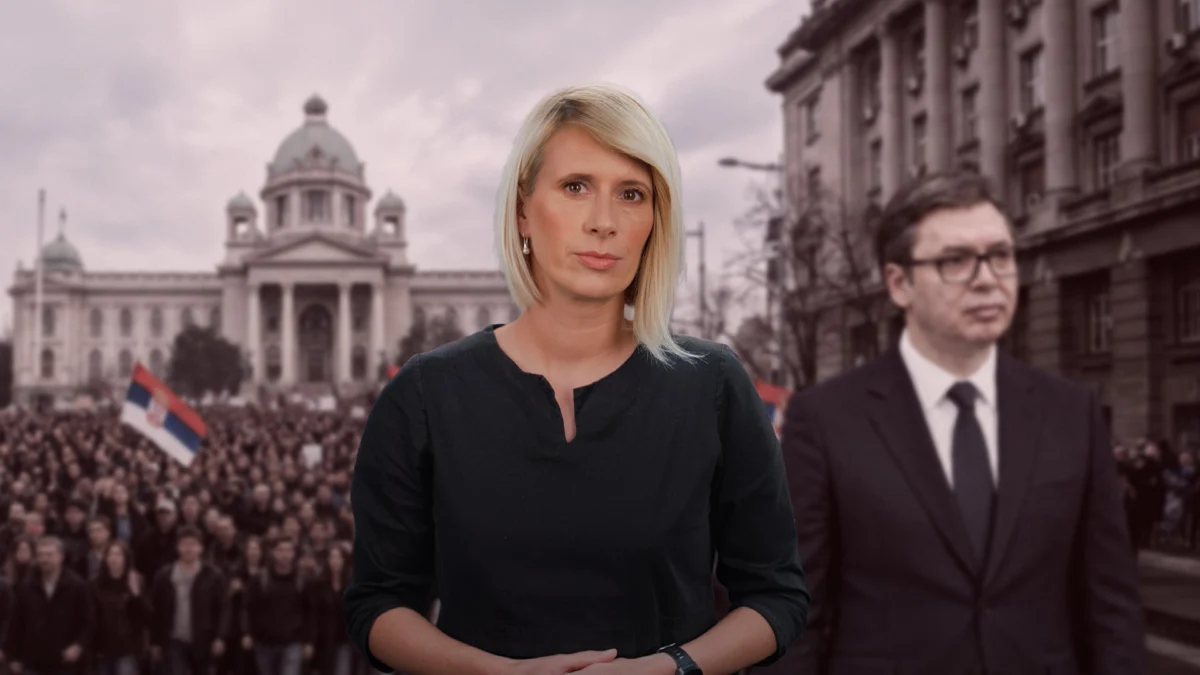
Serbia has headed to the polls in a high-stakes snap general election that political analysts are calling a potential watershed moment for the Balkan nation’s political landscape. For the first time in nearly a decade and a half, the country’s dominant political figure, Aleksandar Vučić—who has steered Serbia’s political trajectory through various high-level offices for fourteen years—faces a uniquely formidable and unprecedented challenger: an organized, energetic, and deeply motivated student movement.
The vote follows a tumultuous period of domestic political friction, shifting geopolitical pressures, and mounting public discontent over governance, economic conditions, and institutional transparency. As polling stations opened across the country, international observers, regional diplomats, and domestic citizens alike watched closely to see whether the entrenched political apparatus can withstand the rising tide of youth-led activism.
Main Facts of the Snap Election
The early parliamentary and municipal elections were triggered after months of escalating political pressure and widespread demonstrations that paralyzed parts of the country. Aleksandar Vučić, the leader of the ruling Serbian Progressive Party (SNS), is attempting a major political pivot. Having recently stepped down from his second and final constitutional mandate as the President of Serbia, Vučić is now running for the office of prime minister. Critics and political opponents argue this maneuver is an attempt to retain absolute control over the levers of state power while circumventing presidential term limits.
However, the political monopoly long enjoyed by the SNS is facing its most serious existential test. Rather than traditional political parties spearheading the opposition, a coalition of student organizations, university groups, and youth activists have galvanized a massive segment of the electorate. Operating under banners of anti-corruption, democratic renewal, and institutional accountability, these student leaders have managed to mobilize voters who had previously grown apathetic or alienated from the traditional political process.
Background Context: Fourteen Years of Vučić and the Rise of Youth Dissent
To understand the gravity of the current electoral contest, one must examine the profound footprint Aleksandar Vučić has left on Serbian politics since the SNS came to power in 2012. Initially rising as first deputy prime minister before serving as prime minister from 2014 to 2017 and subsequently as president from 2017 onward, Vučić has been the central architect of modern Serbian governance.
During his tenure, Serbia advanced its candidacy for membership in the European Union while simultaneously maintaining close diplomatic, economic, and security ties with traditional partners such as Russia and China. Domestically, Vučić cultivated an image as a strong, stabilizing leader capable of delivering infrastructure development and foreign direct investment.
Yet, critics have increasingly accused his administration of eroding democratic norms, tightening state control over major media outlets, and fostering an environment of systemic corruption. Over the years, opposition parties attempted various strategies to unseat the ruling coalition, ranging from electoral boycotts to fragmented coalition building, largely yielding limited success.
The turning point arrived when university campuses across Belgrade, Novi Sad, Niš, and Kragujevac became epicenters of organized resistance. Frustrated by deteriorating economic prospects, inflation, and a perceived lack of future opportunities at home, students began organizing campus walkouts, public debates, and peaceful demonstrations. What began as localized grievances regarding higher education funding and living standards quickly evolved into a nationwide movement demanding systemic political reform, freedom of the press, and the dismantling of entrenched patronage networks.
Chronology of Events Leading to the Vote
The path to the October 2026 snap election has been marked by a rapid escalation of political friction and civil mobilization.
Late 2024 to Early 2025: Tensions began simmering following a series of infrastructure controversies and allegations of electoral irregularities in local municipal votes. Public frustration over inflation and governance boiled over, leading to spontaneous protests in major urban centers.
Spring 2025: University students across Serbia formally organized under unified coordination committees. Eschewing traditional party affiliations, the student movement focused on grassroots outreach, utilizing digital communication platforms to bypass state-controlled media narratives.
Summer 2025: The student movement organized nationwide marches and successfully pressured local authorities on various municipal issues. Their disciplined organization and refusal to align with discredited traditional opposition figures earned them significant credibility among the broader public.
Late 2025: Recognizing the mounting pressure and potential erosion of his parliamentary majority, Aleksandar Vučić and the ruling coalition announced that snap elections would be brought forward to October 2026, framing the move as a necessary step to test the democratic mandate of the government.
September 2026: Official campaigning commenced under highly polarized conditions. The student movement announced a coordinated platform, endorsing independent reform-minded candidates and putting forward comprehensive policy proposals focusing on transparency, judicial independence, and economic modernization.
October 24, 2026: Millions of Serbian citizens head to the polls in an election characterized by exceptionally high voter turnout, particularly among first-time voters and urban youth.
Supporting Data and Demographic Shifts
Electoral data from independent polling agencies and sociological research institutes indicate a dramatic shift in voting behavior across Serbia. Historically, older demographics in rural and semi-urban areas formed the bedrock of the ruling party’s electoral victories, while youth voter turnout remained chronically low due to political disillusionment.
In the lead-up to the October 2026 vote, pre-election surveys showed a staggering surge in voter registration among citizens aged 18 to 29, with turnout rates projected to exceed historical averages by upwards of 35 percentage points in university towns.
Economic indicators also played a critical role in shaping voter sentiment. While official macroeconomic data often highlighted steady GDP growth, persistent inflation, high youth unemployment, and a brain drain—characterized by tens of thousands of skilled young professionals emigrating to Western Europe annually—created widespread economic anxiety. For many families, the promise of EU integration contrasted sharply with the reality of domestic socioeconomic stagnation, providing fertile ground for the student movement’s message of systemic renewal.
Official Responses and Reactions from Key Stakeholders
The electoral contest has elicited sharp reactions from across the political spectrum, both domestically and internationally.
The Ruling Coalition: Representatives of the Serbian Progressive Party have mounted an aggressive defense of their fourteen-year record, warning voters that sudden political upheaval could jeopardize economic stability, infrastructure projects, and Serbia’s delicate geopolitical balancing act. Campaigning on a platform of experience, security, and continuity, Vučić and his allies have dismissed the student-led challenge as inexperienced and susceptible to foreign influence, while simultaneously urging their traditional base to mobilize in defense of national stability.
The Student Movement and Reformist Allies: Spokespersons for the youth coalitions have firmly rejected government characterizations, emphasizing their commitment to peaceful, democratic transformation. In public addresses, student leaders have stressed that their movement is not aligned with any single foreign power or discredited political faction, but rather represents a homegrown demand for constitutional integrity, meritocracy, and an end to corruption. Their campaign has focused on practical governance solutions, digital innovation, and European integration standards.
International Observers and Diplomatic Communities: Capitals in Brussels, Washington, and other major diplomatic hubs have monitored the Serbian electoral process with intense interest. European Union officials have reiterated the importance of free, fair, and transparent democratic procedures, emphasizing that Serbia’s progress toward EU membership depends heavily on the health of its democratic institutions, rule of law, and media freedom. International election monitors deployed across the country have reported high turnout rates and widespread public engagement, alongside close scrutiny of media access and campaign finance transparency.
Broader Impact and Implications for the Region
The outcome of the October 2026 election carries profound implications not only for Serbia’s domestic governance but for the geopolitical stability of the Western Balkans as a whole.
Should the ruling coalition manage to retain power, it would reaffirm the durability of entrenched political machinery in the region and likely signal a continuation of Vučić’s pragmatic yet complex balancing act between East and West. However, a victory—or even a substantial legislative breakthrough—by the student-led reform movement would rewrite the political playbook of the Balkans. It would demonstrate that grassroots, non-traditional civic movements can successfully challenge long-standing authoritarian tendencies through democratic means.
Furthermore, a significant political shift in Belgrade could alter regional dynamics concerning ongoing normalization talks, regional security cooperation, and the pace of democratic reforms required for European Union accession. As ballot boxes close and election officials begin the complex process of vote tabulation, Serbia stands at a historic crossroads, awaiting a verdict that could define its political identity for generations to come.