Kang Muslim
- Human Behavior & Social Studies
- July 15, 2026
- 39 views
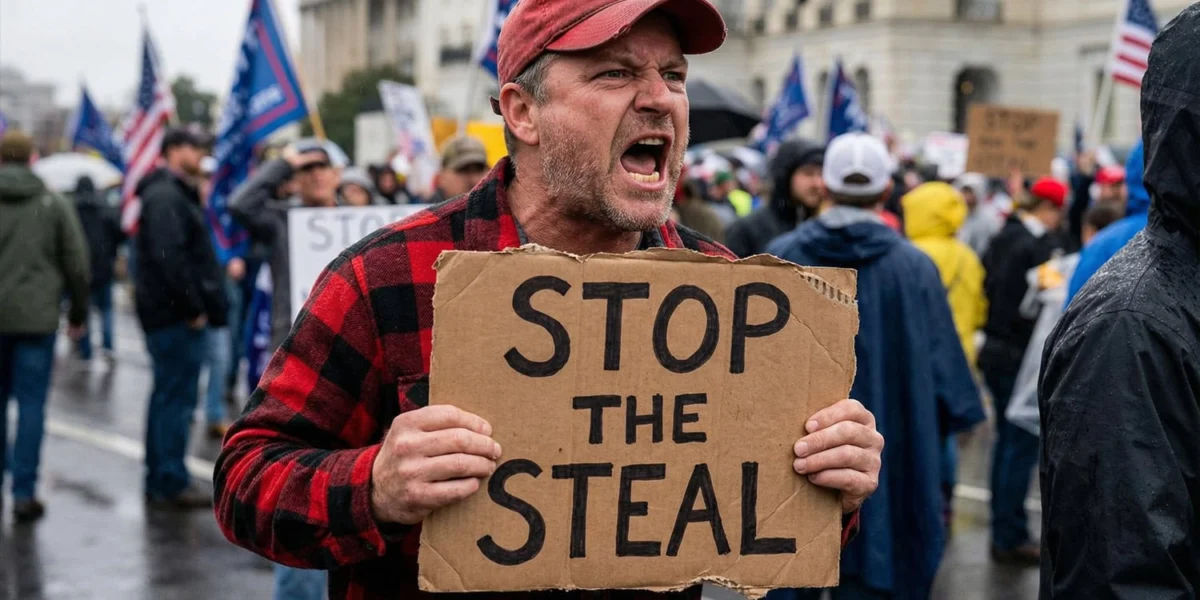
Ideological asymmetries of trust in elections and non-voting political participation
A comprehensive study published in the peer-reviewed journal Party Politics has revealed a significant divergence in how liberal and conservative voters respond to doubts regarding election integrity. The research, conducted…
- Human Behavior & Social Studies
- June 22, 2026
- 38 views
Self-serving biases shape the relationship between future thinking and remembering of elections.
The democratic process is fundamentally an exercise in collective decision-making, yet the way individual voters perceive this process is deeply colored by the internal mechanisms of the human mind. A…

- Human Behavior & Social Studies
- May 23, 2026
- 83 views
Systematic partisan content skews in TikTok during the 2024 US elections
A comprehensive new study published in the journal Nature has revealed that TikTok’s powerful recommendation algorithm exhibits a systematic bias in the delivery of political content, tending to favor conservative…
- Human Behavior & Social Studies
- May 17, 2026
- 42 views
Elites moved toward democrats more than nonelites moved away: Income, education, and occupational class in US presidential elections, 1980–2020
The prevailing narrative of twenty-first-century American politics has long centered on the "hollowing out" of the Democratic Party’s traditional base: the white working class. Since the 2016 election of Donald…