Prabowo Widodo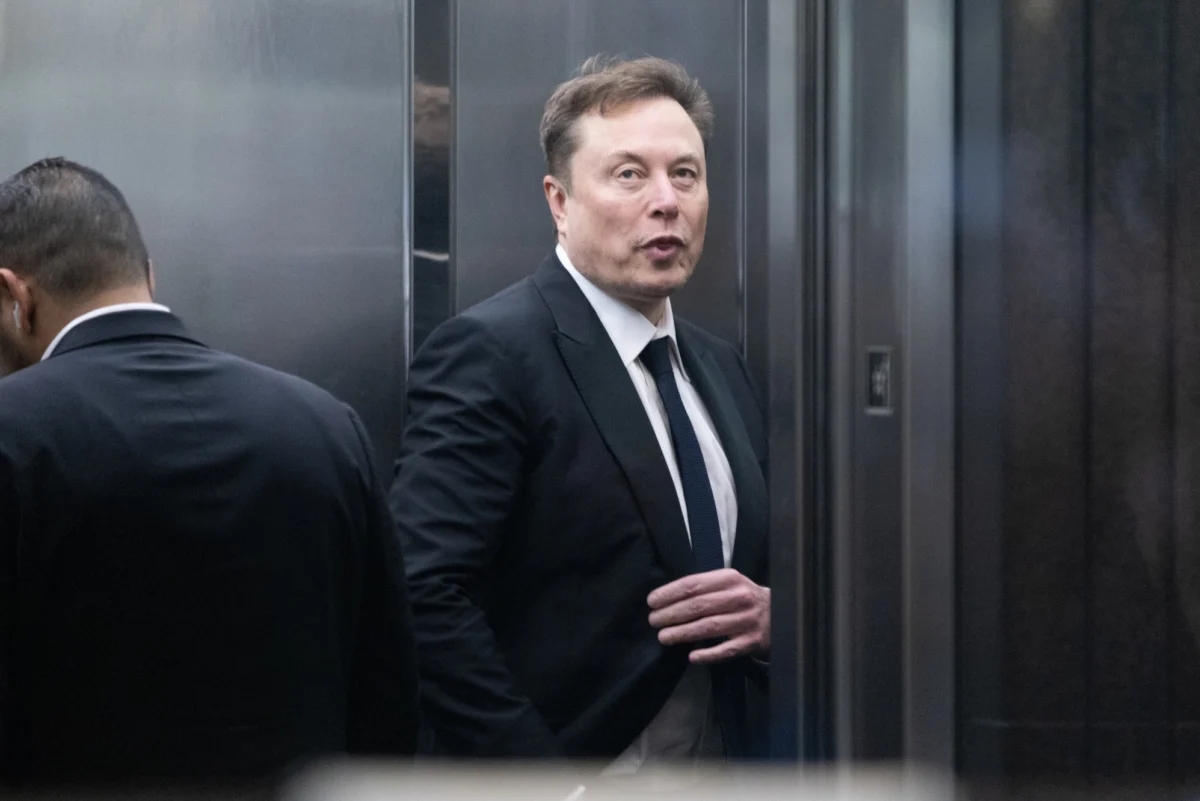
Elon Musk has announced plans for his tunneling venture, The Boring Company, to develop what he describes as a "simple precursor Hyperloop" connecting Austin and San Antonio, Texas. According to statements made by the billionaire entrepreneur on the social media platform X, the proposed high-speed transit link would drastically cut travel times between the two major Texas cities to under 30 minutes.
The announcement comes on the heels of a massive financial boost for The Boring Company, which recently secured a $3 billion funding round led by the United Arab Emirates. While the project has captured the imagination of regional commuters and tech enthusiasts alike, transportation experts and urban planners are evaluating the feasibility of the initiative against the backdrop of the company’s historical delivery record for large-scale infrastructure projects.
The Genesis of the Texas Hyperloop Proposal
The announcement originated in an exchange on X, formerly Twitter, where Musk responded to an artificial intelligence-generated video depicting a futuristic science-fiction landscape. After re-posting the speculative video with the declaration that "This is the future we shall bring into being," Musk expanded on his vision for terrestrial transportation, specifically targeting the booming Texas corridor.
The Boring Company quickly amplified Musk’s statement through its official corporate account, stating that the organization "would be excited and honored to build this massive infrastructure project." If realized, a transportation system capable of ferrying passengers between Austin and San Antonio in less than half an hour would fundamentally alter the regional economy, transforming the approximately 80-mile stretch into an integrated commuter zone.
Financing and Corporate Momentum
The timing of the Austin-San Antonio proposal aligns with a significant capital influx for The Boring Company. The recent $3 billion funding round, spearheaded by the United Arab Emirates, provides the enterprise with unprecedented financial resources to advance its proprietary tunneling technology and logistics systems.
This capital injection represents one of the largest private funding achievements for a tunneling and infrastructure startup in recent years. Historically, The Boring Company has relied on a mix of private capital, venture funding, and municipal contracts to finance its ventures. The infusion from UAE investors signals international confidence in the company’s long-term commercial viability, even as industry analysts scrutinize the practical execution of its grander engineering ambitions.
Balancing Innovation and Execution
Skeptics point out that The Boring Company faces a well-documented gap between its high-profile announcements and completed infrastructural realizations. Over the past decade, Musk has floated numerous ambitious transportation concepts that ultimately failed to materialize on the scale initially promised.

Prominent proposed projects—such as urban tunnel networks intended to alleviate congestion in Chicago and Los Angeles, as well as a high-profile Northeast Corridor underground transit system connecting New York City and Washington, D.C.—have faced severe regulatory hurdles, environmental reviews, and financial recalibrations, resulting in indefinite delays or cancellations.
Conversely, the company has achieved tangible success in more constrained environments. Most notably, The Boring Company currently operates the Las Vegas Convention Center Loop (LVCC Loop), an operational subterranean transportation system utilizing fully electric Tesla vehicles to transport convention attendees across the sprawling campus. The expansion of the Las Vegas system, known as the Vegas Loop, continues to grow, serving as the primary proof-of-concept for the firm’s localized tunneling methodology.
Cultural Influences and Public Discourse
Musk’s penchant for futuristic, sci-fi-inspired infrastructure has frequently drawn commentary from cultural historians and critics. The entrepreneur’s stated vision is often perceived as a direct manifestation of classic pulp science fiction and comic book tropes.
This ideological alignment has sparked broader intellectual debates regarding the philosophy driving modern technological innovation. For instance, recent critiques from academics, such as historian Jill Lepore, have questioned whether the prevailing ethos of Silicon Valley leadership is adequately grounded in democratic governance or if it relies on idealized, fictionalized paradigms that defy contemporary political and social realities. Nevertheless, Musk’s unwavering commitment to translating speculative science fiction into tangible engineering endeavors remains a central driver of his corporate enterprises.
Broader Implications for Texas Infrastructure
The proposed Texas link arrives as Austin and San Antonio experience historic population growth and urban sprawl. Interstate 35, the primary highway connecting the two cities, is notoriously congested, costing regional logistics and commuters countless hours annually. State and local transportation authorities have continuously sought innovative solutions to manage the explosive demographic expansion along the Texas Triangle.
While a true Hyperloop—involving near-vacuum sealed tubes and magnetic levitation pods traveling at airplane-like speeds—remains a complex engineering hurdle that has eluded widespread commercial deployment globally, The Boring Company’s "precursor" model suggests a phased approach. By utilizing modified tunneling diameters and electric vehicle transport methods akin to its Nevada operations, the firm aims to deliver a hybrid solution that bridges the gap between traditional rail and futuristic high-speed transit.
As The Boring Company evaluates the preliminary logistics of the Austin-San Antonio corridor, the project will require extensive coordination with Texas state regulators, environmental agencies, and municipal stakeholders. Whether the ambitious proposal transitions from social media declaration to a fully realized infrastructure corridor will depend heavily on the deployment of its newly acquired capital, regulatory approval processes, and the company’s ability to scale its tunneling efficiency.