Johny Marice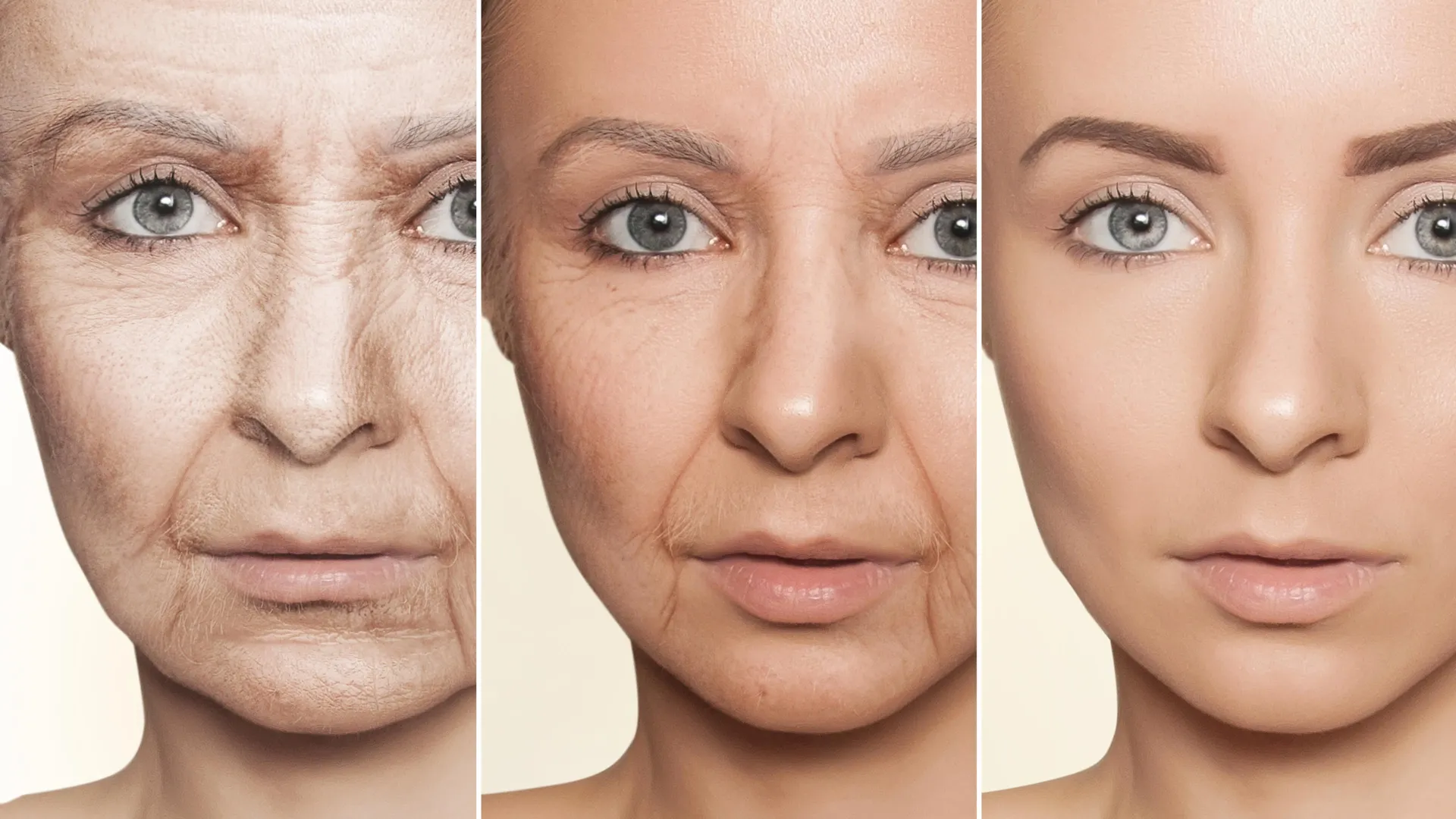
Aging has long been viewed as an inevitable, unidirectional progression marked by the gradual degradation of biological systems. From the thinning and graying of hair to the insidious erosion of memory and cognitive acuity, the signs of senescence are universal. However, a landmark collaborative study involving researchers from Xi’an Jiaotong-Liverpool University, Stanford University, Shanghai Jiao Tong University, and the University of Chinese Academy of Sciences has introduced a provocative hypothesis: that certain aspects of the aging process may not be fixed, but rather malleable and potentially reversible.
At the center of this research is a compound known as plasmalogen, a specialized class of lipids found in high concentrations within the human brain, heart, and immune cells. The study, which focused on aged mice, indicates that dietary supplementation with plasmalogens derived from Ascidiacea—commonly referred to as sea squirts—can yield significant improvements in both cognitive performance and physical markers of vitality.
The Biological Context of Plasmalogens
To understand the significance of this discovery, one must first understand the role of plasmalogens in human physiology. Unlike standard phospholipids, which form the basic bilayer of cell membranes, plasmalogens possess a unique vinyl-ether bond at the sn-1 position of the glycerol backbone. This specific chemical structure grants them exceptional antioxidant properties, allowing them to scavenge reactive oxygen species that cause cellular damage.
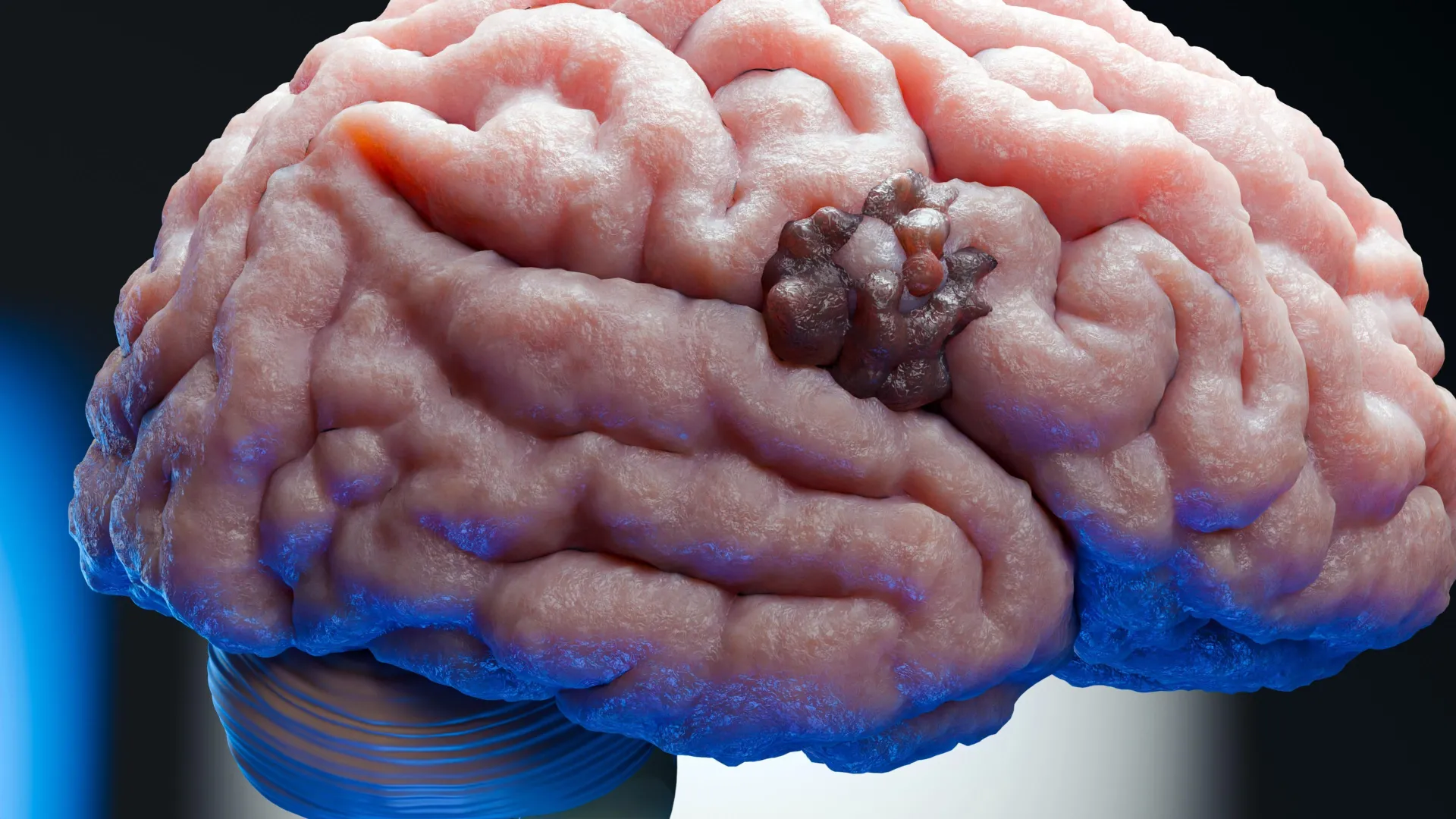
Throughout the human lifespan, the concentration of these lipids remains relatively stable until mid-life, after which a steady decline is observed. Clinical data has repeatedly correlated low levels of plasmalogens with the onset of neurodegenerative conditions, including Alzheimer’s disease, Parkinson’s disease, and other forms of dementia. By the time a patient presents with cognitive impairment, their systemic plasmalogen levels are often significantly lower than those of healthy age-matched peers. This observation led the research consortium to hypothesize that the depletion of these lipids might be a causal factor—or at least a primary driver—in the decay of synaptic integrity.
Chronology of the Experimental Investigation
The study was conducted in several distinct phases, beginning with the procurement of high-purity plasmalogens. Researchers looked to the sea squirt, a marine invertebrate known in Korean culinary traditions as meongge and in Japanese cuisine as hoya. These animals are one of the few natural sources containing the specific type of plasmalogens necessary for the study.
- Phase I: Dietary Intervention. Aged mice, representing a demographic equivalent to elderly humans, were divided into control and experimental groups. The experimental cohort received a precise, daily oral dose of plasmalogens.
- Phase II: Behavioral Assessment. Over a five-day period, the team utilized the Morris water maze—the industry standard for testing hippocampal-dependent learning. The maze requires mice to navigate an opaque pool to locate a hidden, submerged platform.
- Phase III: Histological Analysis. Following the behavioral tests, the researchers performed a post-mortem analysis of the brain tissue to inspect synaptic density and inflammatory markers.
- Phase IV: Longitudinal Observation. The researchers tracked physical phenotypic changes, such as fur quality and density, over the course of the supplementation period.
Data-Driven Results and Cognitive Recovery
The performance of the mice treated with plasmalogens was markedly different from the control group. In the Morris water maze, the treated mice exhibited a faster learning curve, demonstrating an ability to memorize the location of the hidden platform with a speed comparable to much younger specimens.
The histological findings provided the "why" behind the behavioral performance. The treated mice displayed a higher density of synapses, the critical junctions where neurons exchange chemical signals. More importantly, these synapses were found to be in a more stable structural state. In the aging brain, the loss of synaptic plasticity—the ability of these connections to strengthen or weaken over time—is the primary bottleneck for learning. The researchers concluded that the plasmalogens provided the necessary lipid precursors to maintain membrane fluidity, allowing for more efficient synaptic signaling.
Perhaps even more striking were the external manifestations of the treatment. The aged mice that received the supplements grew thicker, glossier, and darker hair compared to their untreated counterparts. This suggests that the systemic effects of plasmalogens extend well beyond the blood-brain barrier, influencing peripheral tissues and potentially systemic metabolism.
Official Statements and Expert Analysis
Professor Lei Fu, the corresponding author of the study, emphasized the dual-action potential of the intervention. "Our research suggests that plasmalogens may not just stop cognitive decline, but may reverse cognitive impairments in the aging brain," Fu stated. He further noted that the increase in neurotrophic factors—molecules that support the survival and growth of neurons—was a key finding, suggesting that the treatment promotes active neuroregeneration.
From an analytical perspective, the findings offer a new framework for intervention. Current treatments for Alzheimer’s disease often focus on removing amyloid-beta plaques or managing symptoms, with varying degrees of efficacy. By targeting the fundamental lipid composition of the neuronal membrane, the plasmalogen approach attempts to fortify the brain’s "hardware" rather than merely cleaning up the "software" errors.
Furthermore, the study posits a potential role for the gut-brain axis. Emerging evidence suggests that the gut microbiome plays a decisive role in systemic inflammation. By modulating the gut environment, plasmalogens may indirectly reduce neuroinflammation, a hallmark of aging that often precedes cognitive decay.
Broader Implications and Future Trajectory
While the results are undeniably compelling, the scientific community maintains a cautious stance. Animal models, while invaluable for establishing mechanisms, do not always translate perfectly to human physiology. The metabolic pathways, dosage requirements, and the complex interaction of human diet and genetics create a high barrier for clinical validation.
"We have identified a potential therapeutic strategy," the researchers noted in their report, "but the journey from a laboratory success to a clinical recommendation is long." Future research must determine:
- Dosage and Bioavailability: How much of the orally ingested lipid actually reaches the brain?
- Long-term Safety: Are there negative side effects to chronic, lifelong supplementation?
- Clinical Efficacy: Does the improvement in synaptic density in mice translate to measurable improvements in human memory tests?
Despite these questions, the study marks a significant shift in gerontology. For years, the scientific consensus was that neuronal loss was largely permanent. This study suggests that if the underlying biochemical deficit—in this case, the depletion of plasmalogens—is addressed, the brain may possess an inherent, latent capacity for repair.
A New Chapter in Anti-Aging Science
The investigation of sea squirts as a source of therapeutic lipids is not merely a curious footnote in marine biology; it represents a broader trend of "bioprospecting," where scientists look to diverse biological systems to solve the intractable problems of human aging.
As society faces a demographic shift with an aging population, the social and economic implications of preventing cognitive decline are profound. A simple, safe, and effective dietary intervention could potentially alleviate the burden of neurodegenerative disease on healthcare systems globally.
For now, Professor Lei Fu’s personal commitment to the supplement—taking it daily—reflects the optimism of the researchers involved. While we await human clinical trials, the research serves as a beacon of possibility: the idea that the "inevitable" decay of the aging brain might eventually be slowed, halted, or even reversed through the intelligent application of nature’s own building blocks. The study has effectively set the stage for a new generation of nutritional interventions that treat aging not as a destiny, but as a manageable biological process.