Layla Zulfa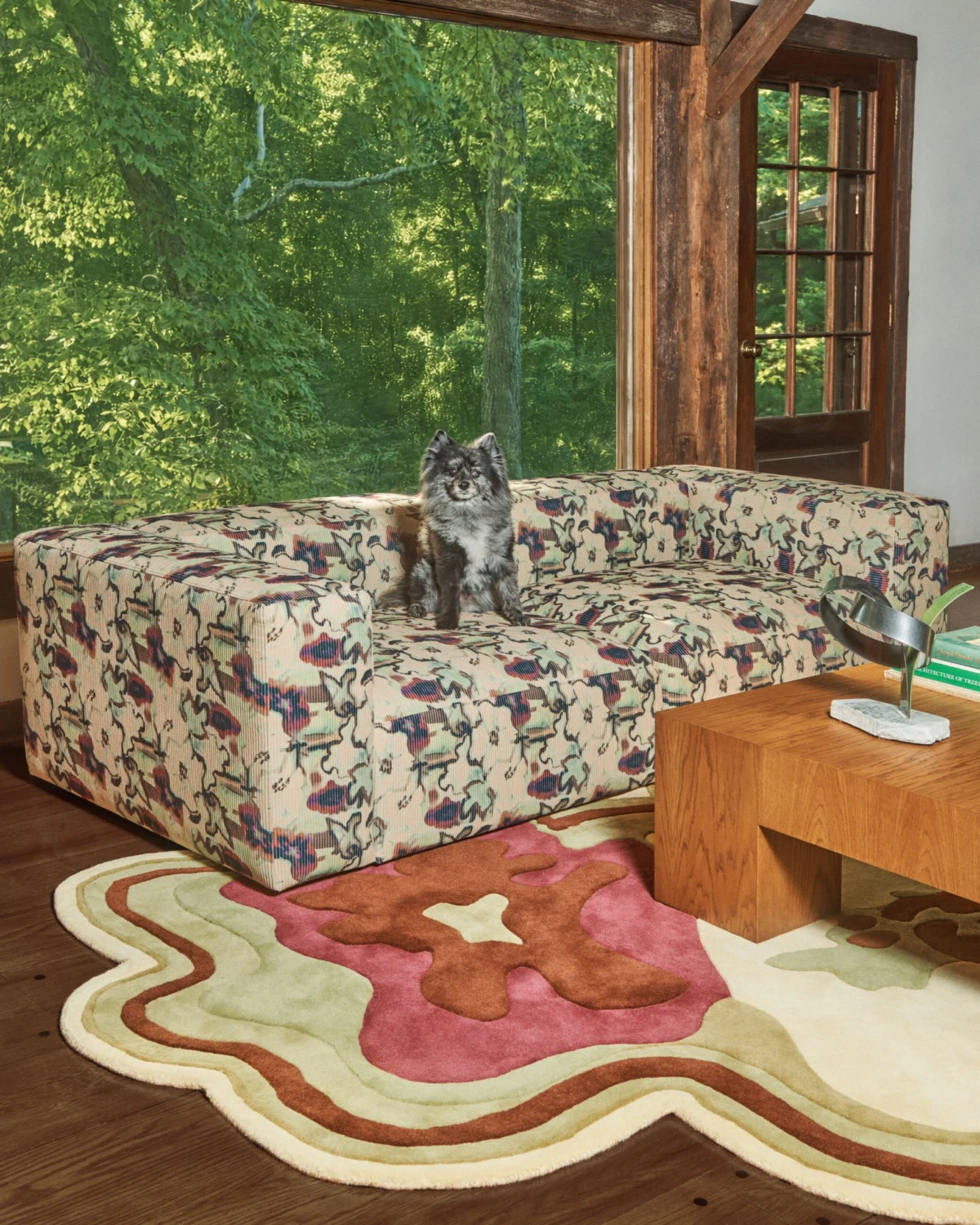
The intersection of high fashion and interior design reached a new zenith as the cult-favorite label Collina Strada, led by creative director Hillary Taymour, unveiled its inaugural home collection. The launch, which took place in the dramatic, sprawling landscape of the Storm King Art Center in New York’s Hudson Valley, served as the concluding act for the brand’s Spring 2027 runway presentation. By pivoting from apparel to lifestyle objects, Collina Strada has signaled a strategic expansion into the home decor market, merging its signature irreverent, eco-conscious aesthetic with functional, artisanal furniture.
The event, attended by hundreds of industry insiders, served as a experiential showcase. Following a runway show characterized by a deluge of pastel-hued designs, guests were invited to transition from the formal catwalk to an immersive, lounge-style after-party. Here, the runway’s visual language was translated into physical objects: modular sofas and hand-tufted wool rugs were scattered across the grass, inviting attendees to engage with the collection in a tactile, relaxed setting that stood in stark contrast to the typically rigid atmosphere of New York Fashion Week (NYFW).
The Genesis of the Collaboration
The collection is the result of a formal partnership with the Swedish design house Layered, a brand recognized for its commitment to high-quality materials and Scandinavian design principles. The collaboration represents a cross-pollination of two distinct design philosophies: Layered’s disciplined, minimalist construction and Taymour’s maximalist, color-saturated, and highly personal design motifs.

According to brand representatives, the development process for the home collection spanned nearly 18 months, mirroring the rigorous production schedules seen in luxury furniture manufacturing. The partnership aimed to address a specific niche in the current market: luxury consumers who prioritize sustainability and artistic expression but remain anchored to the comfort of modern, modular living spaces. By utilizing hand-tufting techniques, the collection achieves a textural complexity that elevates the wool rugs from mere floor coverings to sculptural focal points.
A Deep Dive into the Design Language
The collection features four distinct hand-tufted rugs and two primary configurations of modular, low-slung sofas. The design language is consistent with the apparel seen in the brand’s previous collections, specifically drawing on the Fall 2026 and Spring 2027 runways.
Central to the collection is the "Petal Plum" motif—a floral print that Taymour personally hand-painted. The pattern, which serves as a cornerstone of the brand’s New York flagship store interior, has been meticulously translated onto fabric and wool. The "Plaid Garden" series, which features a pale pink checkered pattern, provides a grounding element that balances the organic, sprawling floral designs.
Technologically, the production of these pieces involves traditional weaving methods combined with modern digital printing applications for the textiles. The "Garden Haze" rug, for instance, utilizes varying pile heights to create an illusion of depth, effectively "sprouting" blooms beyond the traditional rectangular boundaries of a standard rug. Another rug in the collection, carved into an organic, non-linear silhouette, challenges the traditional geometry of floor textiles, emphasizing the brand’s commitment to "anti-design" principles that prioritize flow and nature over rigid form.

Industry Context and Market Implications
The expansion of Collina Strada into the home goods sector is reflective of a broader trend within the fashion industry known as "lifestyle diversification." As luxury fashion brands face increased pressure to sustain revenue growth amidst fluctuating consumer spending, many have looked toward home furnishings as a logical extension of their brand identity.
Market analysts suggest that the home goods sector provides a higher degree of longevity compared to seasonal apparel. While a runway garment may lose its relevance within a six-month fashion cycle, a sofa or a high-end rug is viewed as a long-term investment piece. By entering this space, Collina Strada is effectively monetizing its brand loyalty in a way that creates a "360-degree" consumer experience.
Furthermore, the choice of Storm King Art Center as the venue carries significant weight. By situating their product launch within a premier outdoor sculpture park, Collina Strada positioned its furniture as art objects. This is a deliberate branding strategy designed to justify price points that start at $2,000 for rugs, with larger seating units reaching upwards of $5,550.
Sustainability and Materiality
True to the Collina Strada ethos, sustainability remains a non-negotiable pillar of the collection. The use of wool, a biodegradable and renewable resource, aligns with the brand’s ongoing environmental initiatives. The collaboration with Layered also emphasizes transparency in the supply chain, a critical factor for the Gen Z and Millennial demographics that form the core of the Collina Strada consumer base.

The production of the "Petal" and "Garden" lines utilizes non-toxic dyes, and the modular nature of the sofas is intended to reduce waste by allowing for individual component repair or replacement, rather than the disposal of an entire unit. This "design for longevity" approach is becoming an increasingly important metric for consumers evaluating the ethical footprint of their luxury purchases.
Strategic Outlook and Future Expansion
The launch event served as both a debut and a retail pilot. By providing guests the opportunity to physically sit on the furniture, the brand effectively reduced the barrier to entry often associated with high-end furniture shopping, where the inability to "test" a piece is a significant deterrent.
Industry experts anticipate that this collection will serve as a bellwether for the brand’s long-term viability in the home market. If the reception remains positive, it is highly probable that Collina Strada will expand its home offerings to include lighting, ceramics, and perhaps even structural architectural elements in future seasons.
The collaboration with Layered is currently exclusive to the Swedish brand’s digital storefront, representing a "direct-to-consumer" (DTC) model that bypasses traditional retail middlemen. This allows the brand to maintain higher margins while exerting total control over the brand narrative and customer service experience.
.jpg)
Conclusion
The debut of the Collina Strada home collection marks a pivotal evolution for the label. By successfully translating the chaotic, vibrant, and deeply personal aesthetic of its clothing into the more permanent medium of interior design, the brand has demonstrated a capacity for cross-disciplinary innovation. As the line between "fashion" and "lifestyle" continues to blur, Collina Strada’s foray into the home space stands as a case study in how heritage-adjacent, modern labels can successfully navigate the transition from garment-centric companies to full-scale lifestyle brands.
With pieces starting at $2,000, the collection is positioned firmly in the luxury market, yet it retains an accessibility of spirit that defines the Collina Strada brand. Whether this will lead to a permanent restructuring of the company’s business model remains to be seen, but the initial response suggests that the market for "maximalist, sustainable living" is not only present but actively growing. For Hillary Taymour and her team, the expansion into the home is not merely a revenue-generating endeavor; it is an assertion that the brand’s unique worldview can, and should, occupy every room of the consumer’s home.