Johny Marice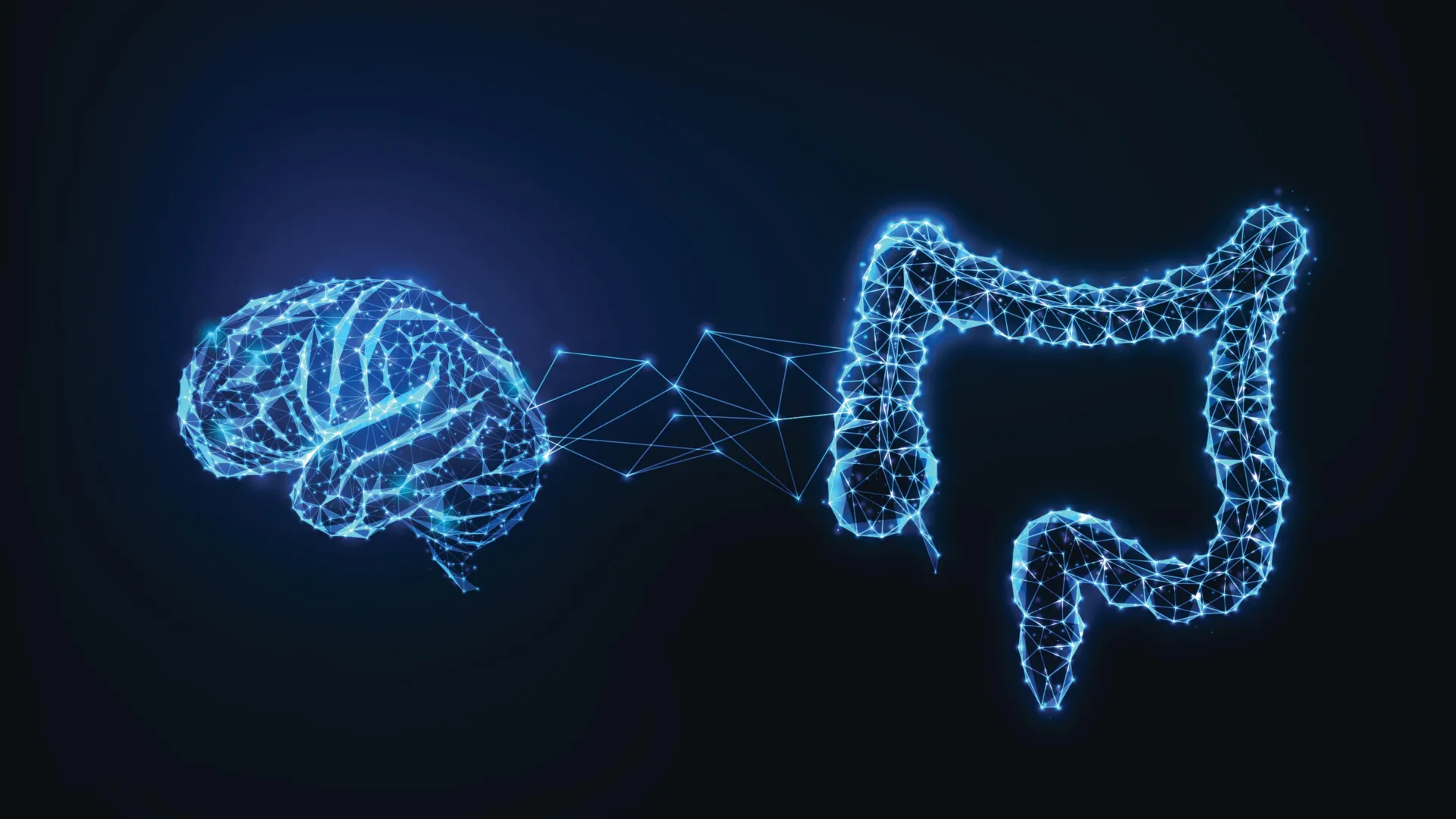
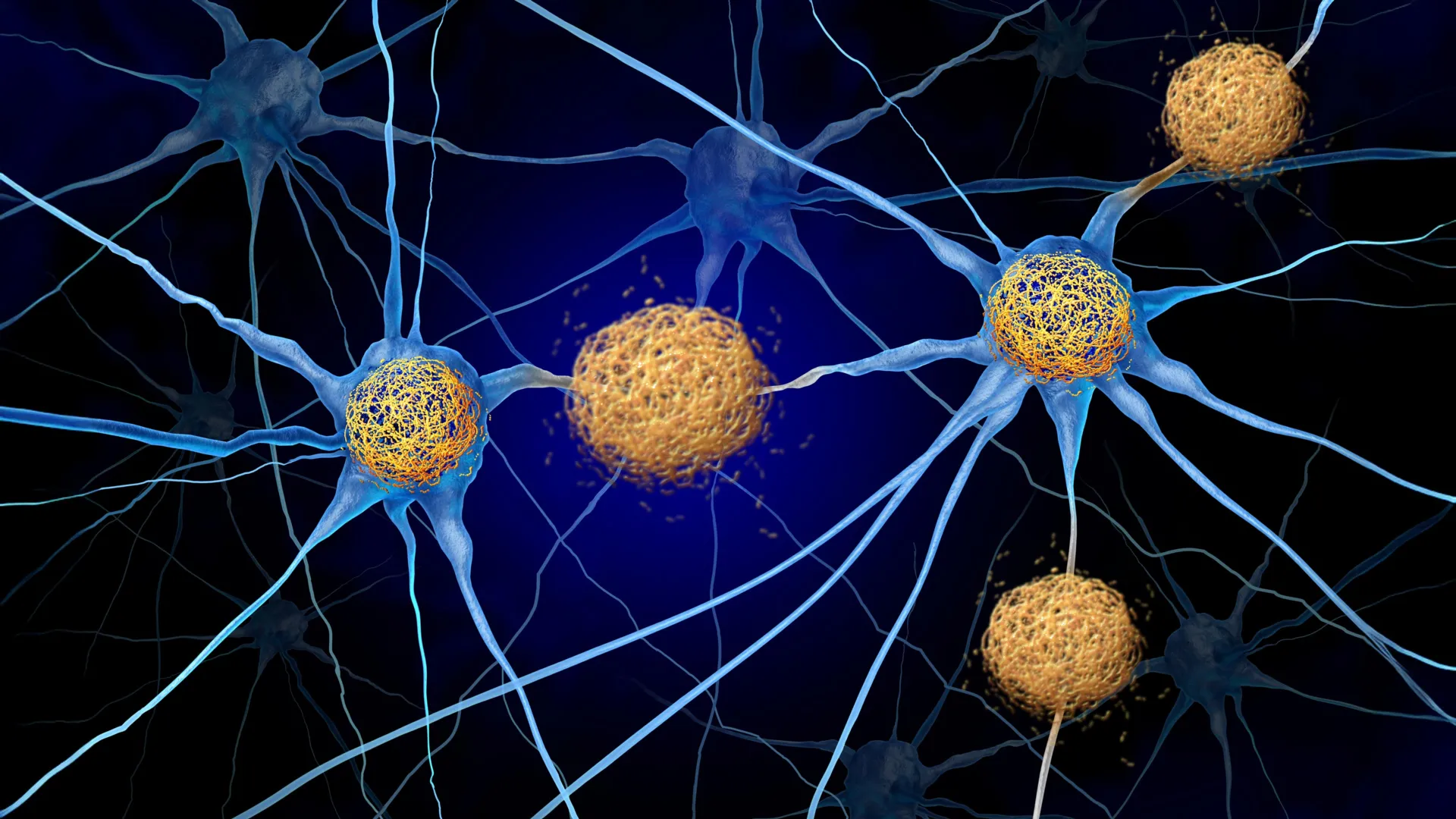
Researchers at Case Western Reserve University have unveiled a groundbreaking discovery that could fundamentally alter the medical community’s approach to Amyotrophic Lateral Sclerosis (ALS) and Frontotemporal Dementia (FTD), two of the most debilitating neurodegenerative disorders. Their extensive work has pinpointed an unexpected yet critical contributor to disease progression: the complex ecosystem of bacteria residing in the human gut. This finding establishes a direct molecular link between the gut microbiome and the neurodegeneration characteristic of these devastating conditions, offering novel avenues for diagnosis and therapeutic intervention.
Unraveling the Gut-Brain Axis in Neurodegeneration
The pivotal study, published in the esteemed journal Cell Reports, meticulously details how specific bacterial sugars, particularly inflammatory forms of glycogen, can initiate a cascade of immune responses that ultimately lead to the destruction of vital brain cells. This revelation addresses a long-standing enigma in neurology: the variability in disease onset and progression, even among individuals with known genetic predispositions. The research team not only identified this detrimental gut-brain mechanism but also elucidated potential strategies to interrupt this harmful pathway, injecting a potent dose of hope into the fight against these challenging diseases.
ALS, commonly known as Lou Gehrig’s disease, is characterized by the progressive degeneration of motor neurons, the nerve cells responsible for controlling voluntary muscle movement. This leads to increasing muscle weakness, atrophy, and eventually, paralysis, significantly impacting patients’ ability to speak, swallow, and breathe. FTD, conversely, primarily affects the frontal and temporal lobes of the brain, areas crucial for personality, behavior, judgment, and language. Symptoms can range from profound changes in social conduct and emotional regulation to difficulties with speech and comprehension. While both conditions share some overlapping genetic and pathological features, their precise etiological underpinnings have remained elusive for decades, with research exploring a complex interplay of genetic predispositions, environmental exposures, and lifestyle factors.
The Molecular Pathway: Bacterial Glycogen as a Neurotoxic Agent
At the heart of this breakthrough lies the identification of a specific molecular pathway. The Case Western Reserve team discovered that certain gut bacteria produce inflammatory forms of glycogen, a complex carbohydrate or sugar molecule. These bacterial-derived sugars, when present in elevated levels, act as potent triggers for the body’s immune system. This immune overreaction, in turn, unleashes inflammatory processes that target and destroy neurons within the brain.
"We found that harmful gut bacteria produce inflammatory forms of glycogen (a type of sugar), and that these bacterial sugars trigger immune responses that damage the brain," stated Dr. Aaron Burberry, assistant professor in the Department of Pathology at the Case Western Reserve School of Medicine and a lead author on the study. His research elucidates a critical mechanism by which the gut, often referred to as the body’s "second brain," can exert a direct and detrimental influence on neurological health.
The study’s analysis of 23 patients diagnosed with ALS or FTD revealed a striking correlation: approximately 70% of these individuals exhibited significantly elevated levels of this harmful bacterial glycogen. In stark contrast, only about one-third of healthy individuals, who did not suffer from these neurodegenerative conditions, displayed comparable levels. This quantitative difference provides robust evidence for the direct involvement of this specific bacterial product in the disease pathology of ALS and FTD patients.
Implications for Diagnosis and Therapeutic Development
The clinical ramifications of these findings are substantial and immediate. By pinpointing elevated levels of harmful gut sugars as a primary driver of neurodegeneration, researchers have identified novel and promising targets for both diagnostic tools and therapeutic interventions. The presence of these specific bacterial sugars could potentially serve as a valuable biomarker, enabling clinicians to identify patients at higher risk or those who would most likely benefit from treatments specifically targeting the gut microbiome.
The discovery paves the way for the development of entirely new treatment strategies. These could include therapies designed to break down or neutralize these damaging sugars within the digestive system, thereby mitigating their inflammatory effects on the brain. Furthermore, the research strongly supports the creation of pharmaceuticals that can modulate the intricate communication pathways between the gut and the brain, offering a potential means to slow, halt, or even prevent the relentless progression of ALS and FTD.
Dr. Alex Rodriguez-Palacios, assistant professor in the Digestive Health Research Institute at the School of Medicine and another key investigator, expressed optimism about the experimental successes. "In our experiments, we were able to reduce these harmful sugars," Dr. Rodriguez-Palacios noted. "This intervention demonstrably improved brain health and, significantly, extended lifespan in our models." These preclinical results underscore the therapeutic potential of targeting the gut-derived glycogen.
Addressing the Genetic Predisposition Puzzle
A particularly significant aspect of this research is its explanatory power for individuals carrying specific genetic mutations linked to ALS and FTD. The most common genetic culprit for these diseases is the C9orf72 gene mutation. However, not all individuals who carry this mutation develop the disease, a phenomenon that has long perplexed geneticists and neurologists. This new study offers a compelling explanation: the gut microbiome acts as a crucial environmental factor, an "on switch," that can trigger disease development in genetically susceptible individuals.
For those with the C9orf72 mutation, the presence of specific gut bacteria producing inflammatory glycogen may be the critical determinant of whether or not they develop ALS or FTD. This insight shifts the focus from genetics alone to a more holistic understanding of disease etiology, emphasizing the dynamic interplay between an individual’s genetic makeup and their environmental exposures, particularly those mediated by the gut microbiome.
Innovative Research Methodologies Fueling the Breakthrough
The scientific rigor and innovative nature of the research were enabled by state-of-the-art laboratory facilities and unique methodologies employed at Case Western Reserve. The study leveraged germ-free mouse models, animals raised in completely sterile environments devoid of any microbial life. This groundbreaking approach allowed researchers to meticulously isolate and study the specific effects of individual microbes or microbial products on disease development without the confounding influence of a complex, native microbiome.
A cornerstone of this capability is an advanced "cage-in-cage" sterile housing system, a rare and sophisticated setup developed by Dr. Rodriguez-Palacios. This system facilitates large-scale microbiome research, a significant advancement over traditional methods that often restrict studies to a small number of animals. This innovative infrastructure was instrumental in enabling the researchers to investigate the intricate communication networks between the gut and the brain on an unprecedented scale. The program is spearheaded by Dr. Fabio Cominelli, Distinguished University Professor and director of the Digestive Health Research Institute, who has fostered an environment of cutting-edge microbiome research.
Future Directions and the Path to Clinical Trials
The research team is already charting the course for future investigations, aiming to further refine their understanding and accelerate the translation of these findings into clinical practice. The next phase of research will involve extensive studies surveying the gut microbiome communities of ALS and FTD patients. These surveys will be conducted at different stages of the disease, both before and after symptom onset, to gain a deeper understanding of when and why the production of harmful microbial glycogen is initiated.
"To understand when and why harmful microbial glycogen is produced, the team will next conduct larger studies surveying gut microbiome communities in ALS/FTD patients before and after disease onset," Dr. Burberry elaborated. Crucially, the findings provide a strong foundation for the initiation of clinical trials. "Clinical trials to determine whether glycogen degradation in ALS/FTD patients could slow disease progression are also supported by our findings and could begin in a year." This proactive timeline suggests a rapid transition from laboratory discovery to patient-centered research, offering tangible hope for improved outcomes in the near future. The potential to intervene in the disease process by targeting gut bacteria represents a paradigm shift in the management of these devastating neurological conditions.