Layla Zulfa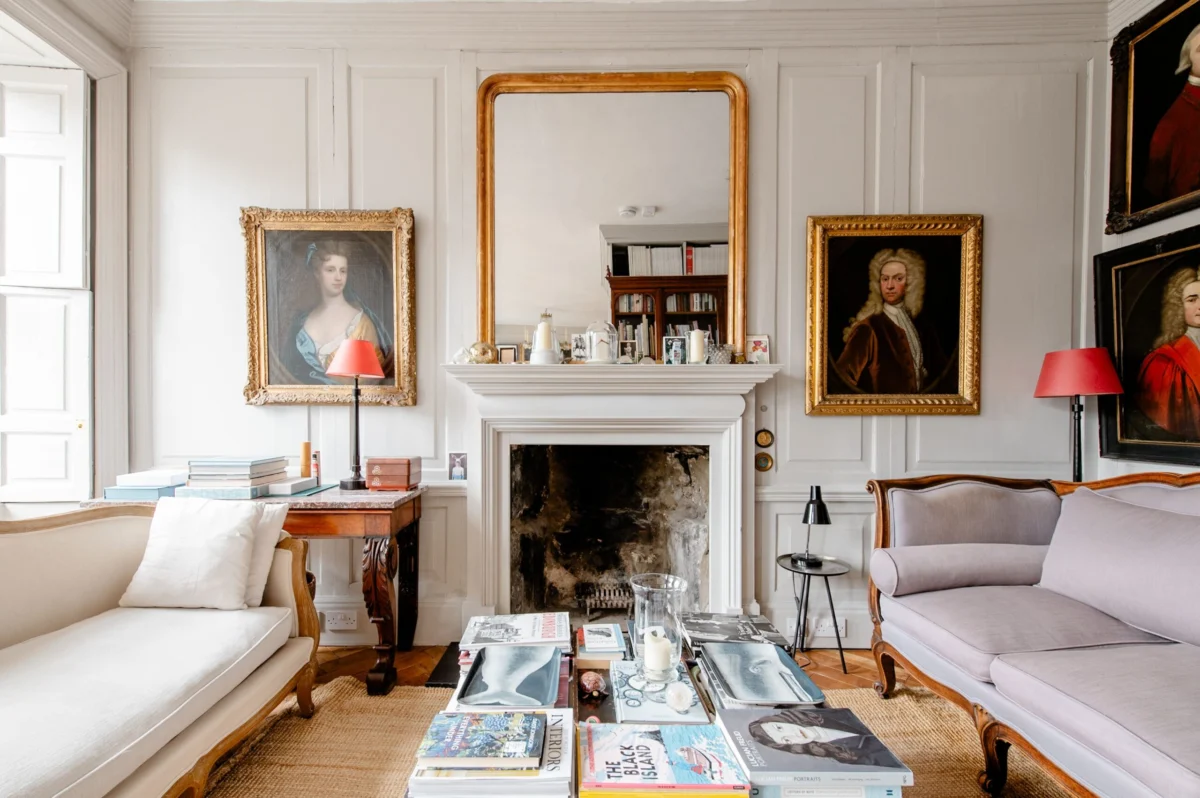
Edinburgh, the capital of Scotland, is a city defined by a unique interplay between its medieval history and its neoclassical ambitions. As a UNESCO World Heritage site, the city’s urban fabric—ranging from the narrow, winding wynds of the Old Town to the wide, grid-like streets of the Georgian New Town—serves as more than just a backdrop for tourism; it is the primary attraction. In recent years, the evolution of the short-term rental market has transformed how visitors experience this historic landscape, shifting the focus from standardized hotel rooms to curated, residential-style accommodations that emphasize heritage, local craftsmanship, and architectural preservation.
The Evolution of the Edinburgh Tourism Landscape
The Scottish tourism sector has seen significant growth over the last decade, with Edinburgh consistently serving as the primary gateway for international visitors. According to data from the Office for National Statistics (ONS) and VisitScotland, the city frequently hosts over 4 million visitors annually, a figure that places immense pressure on traditional lodging infrastructure. This demand has spurred a diversification of the accommodation sector, where properties managed via platforms like Airbnb have filled a niche for travelers seeking long-term residential stays rather than transient hotel experiences.
Historically, the conversion of tenement apartments into visitor lodgings has been a subject of local debate. Residents and city planners have long grappled with the balance between the economic benefits of tourism and the preservation of housing stock. In 2023, the City of Edinburgh Council introduced stringent new licensing requirements for short-term lets, aiming to curb the over-saturation of holiday rentals in residential areas. These regulations require operators to obtain planning permission and meet rigorous fire and safety standards, effectively professionalizing a previously loosely regulated market. This shift has resulted in a higher quality of inventory, as only the most compliant and architecturally significant properties remain available for booking.
Architectural Typologies and the Visitor Experience
Visitors to Edinburgh often seek to inhabit the specific architectural eras that define the city’s skyline. The "New Town," constructed between 1767 and the mid-19th century, represents one of the most complete examples of Georgian urban planning. Staying in a property here, such as a ground-floor flat with soaring sash windows and intricate crown moldings, provides an authentic experience of the Enlightenment-era lifestyle that once attracted the intellectual elite of Europe.
Conversely, the "Old Town," which dates back to the medieval period, offers a more visceral, claustrophobic, and atmospheric experience. Tenement buildings, often characterized by steep spiral staircases and stone construction, house apartments that offer views of the Royal Mile and the surrounding crags. The preservation of these spaces is vital to the city’s cultural identity. Modern renovations of these sites, such as the historic White Horse Coaching Inn or the 17th-century dovecote cottages in suburban areas like Bruntsfield, reflect a growing trend toward adaptive reuse.
A Chronology of Edinburgh’s Structural Heritage
- 1624: Construction of the White Horse Coaching Inn, now repurposed into luxury loft-style apartments.
- 1767: Approval of the New Town development plan, shifting the city’s focus from the cramped Old Town to the orderly, neoclassical streets of the north.
- 1829: Original construction date for rural agricultural structures in the Fife region, many of which have been renovated into modern country retreats catering to Edinburgh visitors.
- 1995: UNESCO designation of the Old and New Towns as a World Heritage site, catalyzing a focus on preservation in the local real estate market.
- 2023: Implementation of the City of Edinburgh Council’s Short-Term Let Licensing Scheme to regulate the density of holiday rentals.
Economic and Cultural Implications
The economic impact of the short-term rental market is multifaceted. While the proliferation of high-end, curated lodgings has bolstered the local hospitality sector, it has also raised concerns regarding housing affordability. Industry analysts observe that the professionalization of these properties has led to a "premiumization" of the rental market. Travelers are now willing to pay significantly higher nightly rates—often ranging from $300 to over $1,000 for luxury suites—in exchange for authentic, historically significant, and well-appointed living spaces.
Local business owners, particularly in neighborhoods like Stockbridge and the West End, have noted that visitors staying in residential apartments are more likely to frequent independent grocers, local cafes, and artisanal shops compared to hotel-bound tourists. This spending pattern supports a decentralized tourism economy, distributing revenue more evenly across various city districts rather than concentrating it solely in the commercial center.

Notable Property Profiles
For travelers, the distinction between various rental options is increasingly based on historical provenance and interior design.
The Georgian Drawing Room Experience: Located in the city center, properties within 19th-century townhomes typically feature high-end, period-appropriate décor. These units often include restored fireplaces, copper bathtubs, and marble fixtures, appealing to a demographic seeking a high-luxury, historically immersive environment.
The Industrial-Chic Warehouse: In neighborhoods such as Stockbridge, former industrial warehouses have been converted into family-friendly, open-plan spaces. These properties often emphasize modern, chef-grade kitchens and secure parking, catering to families who require more space and utility than a traditional hotel suite can offer.
The Rural-Urban Hybrid: Given Edinburgh’s proximity to the Scottish Highlands and Fife, a subset of travelers opts for rural cottages that are reachable by a 20-minute train ride. These properties, often part of larger 750-acre agricultural estates, provide a bridge between the city’s cultural offerings and the pastoral landscape of the Scottish countryside.
Future Outlook and Regulatory Compliance
The future of lodging in Edinburgh remains tethered to the city’s strict regulatory framework. As the Council continues to enforce planning controls, the market is expected to stabilize, with a greater emphasis on high-quality, legally permitted, and responsibly managed properties. For the traveler, this means that the options currently available on the market are increasingly vetted, ensuring that the charm of a 17th-century stone wall or a Georgian sash window is matched by modern safety standards.
Furthermore, the integration of technology—such as self-check-in systems, smart climate control, and digital guidebooks—has allowed these historic homes to function as modern hotels while retaining their unique residential character. As Edinburgh continues to host global events like the International Fringe Festival and the Hogmanay celebrations, the demand for these diverse accommodation types is likely to persist. The challenge for the city remains to sustain this growth without compromising the integrity of the very architecture that defines its global appeal.
In conclusion, the selection of an Airbnb in Edinburgh is an act of participation in the city’s history. Whether situated in the heart of the Old Town or in a quiet, walled-garden cottage in Bruntsfield, these spaces offer more than a place to sleep; they offer a lens through which to view the centuries-old narrative of the Scottish capital. By choosing to stay in properties that prioritize heritage preservation, travelers are directly contributing to the ongoing maintenance of the city’s most treasured structural assets.