Danny Garick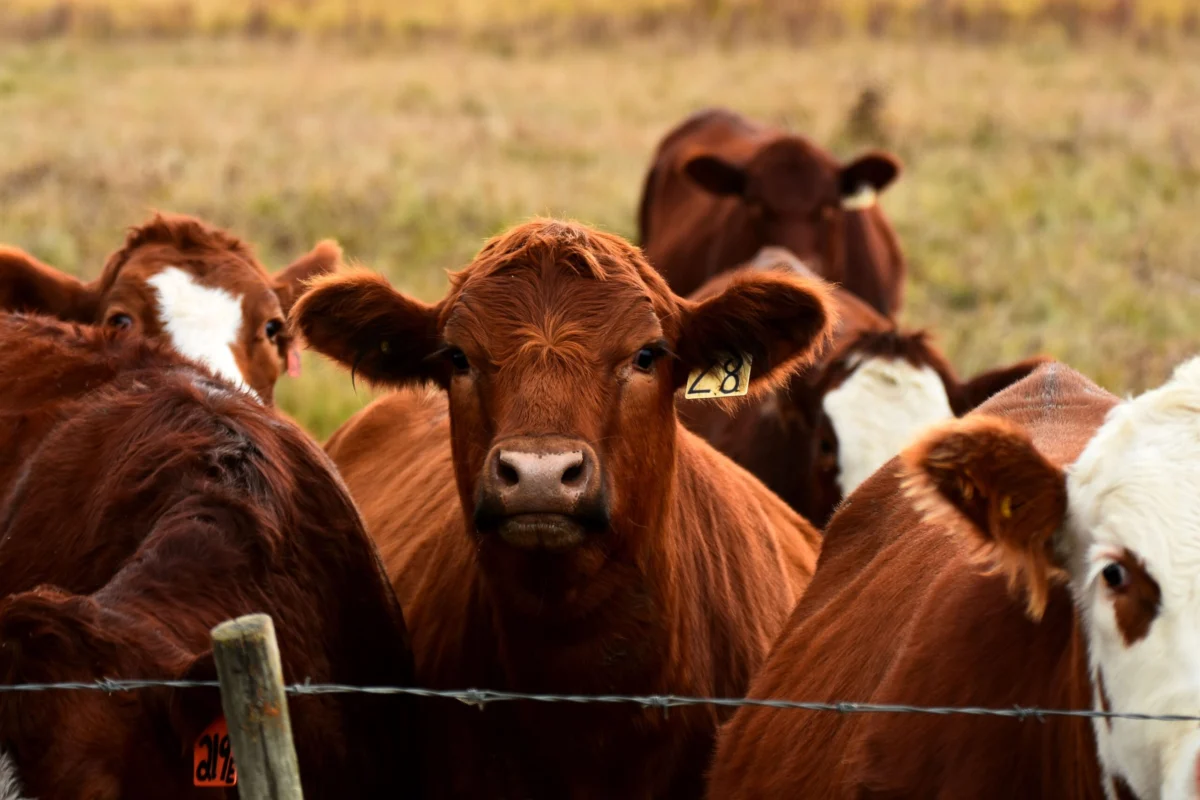
The global hospitality and culinary sectors are currently navigating a complex intersection of high-profile leadership transitions, fluctuating commodity prices driven by agricultural crises, and strategic economic adjustments ahead of major international events. From the anticipated reopening of world-renowned institutions in Copenhagen to the emergence of parasitic threats in the American Southwest, the industry is witnessing a period of rapid evolution. These developments reflect broader trends in luxury branding, labor economics, and the sustainability of fine dining models in an increasingly volatile global market.
High-Profile Restaurant Debuts and Leadership Transitions
The New York City restaurant scene is bracing for the arrival of Ditto, a new culinary venture spearheaded by former editorial figure and chef Andy Baraghani. Partnering with industry strategist Michael Silber, Baraghani’s move into the brick-and-mortar space represents a significant transition from media-driven culinary influence to operational hospitality. Silber, while frequently operating behind the scenes, has been a pivotal figure in the launch of several of Manhattan’s most prominent recent successes, including Penny, Smithereens, and Stars. This partnership underscores a growing trend where culinary personalities with massive digital footprints collaborate with seasoned operational experts to mitigate the high risks associated with new restaurant launches in competitive urban markets.
Simultaneously, the international community is focusing on Copenhagen as Noma prepares to reopen its doors on August 5. This follows a period of transition and a complex residency in Los Angeles that saw mixed reviews regarding its accessibility and execution. The reopening marks a definitive shift in the restaurant’s hierarchy. René Redzepi, the visionary often credited with the rise of New Nordic cuisine, is stepping back from day-to-day kitchen operations. Leadership will transition to Mette Brink Søberg, the current head of research and development, and executive chef Pablo Soto. This move is part of the broader "Noma 3.0" initiative, which aims to transform the institution from a traditional restaurant into a pioneering food laboratory focused on fermentation, product development, and sustainable sourcing.
Agricultural Crisis: The Re-emergence of the New World Screwworm
While the fine dining world focuses on leadership changes, the foundational supply chain of the American food industry faces a biological threat. The United States Department of Agriculture (USDA) recently confirmed three new cases of New World screwworm (Cochliomyia hominivorax) in livestock. This parasitic fly, which was officially declared eradicated in the United States in 1966 through an extensive sterile insect technique program, has reappeared in regions of Texas and New Mexico.
The resurgence of the screwworm is particularly concerning given the current state of the beef industry. Beef prices have already surged by 13% year-over-year, driven largely by historic droughts that have thinned cattle herds to their lowest levels in decades. The introduction of a flesh-eating parasite threatens to further deplete inventories and drive prices higher for both wholesalers and consumers.
Industry analysts and political figures have pointed to recent budgetary shifts as a potential cause for the lapse in containment. Recent cuts to federal agricultural monitoring programs, led by the Department of Government Efficiency (DOGE), are being scrutinized for their impact on biosecurity. In response, Texas Governor Greg Abbott has initiated emergency briefings, emphasizing that while the current infection count remains low—with seven confirmed cases across the region—the state must act aggressively to prevent a full-scale outbreak that could devastate the national agricultural economy.
Economic Strategies for the 2026 World Cup
As the United States prepares to co-host the 2026 FIFA World Cup, the hospitality industry is grappling with the economic implications of a massive influx of international tourists. One of the primary concerns for restaurant operators in host cities is the discrepancy between American tipping customs and those of international visitors. To protect staff earnings, an increasing number of establishments are considering the implementation of mandatory "World Cup service fees."
These fees, essentially a form of automatic gratuity, are designed to ensure that servers receive fair compensation regardless of a guest’s familiarity with U.S. hospitality norms. However, the proposal has sparked a debate regarding labor law and taxation. Under current federal guidelines and recent "no tax on tips" legislative pushes, voluntary tips are treated differently than mandatory service charges. Service fees are legally classified as restaurant revenue, meaning they are subject to different tax obligations and may not be eligible for the same tax exemptions as traditional tips.
Furthermore, domestic consumers are already reporting high levels of "tip fatigue," a phenomenon where customers become resistant to increasing gratuity prompts at various points of sale. The introduction of mandatory fees could further alienate local diners, even as restaurants attempt to capitalize on the temporary surge in global tourism. To assist travelers and locals alike, major culinary publications have begun releasing comprehensive guides to host cities, emphasizing establishments that balance quality with transparent pricing models.
The Convergence of Luxury Fashion and Gastronomy
The boundary between luxury retail and high-end dining continues to blur, as evidenced by Prada’s recent activities in New York City. The brand’s "Prada Mode" pop-up at the iconic Katz’s Deli served as a high-profile intersection of "delicore" aesthetics and heritage culinary branding. By hosting fashion elite such as Hunter Schafer and Ella Emhoff in a venue synonymous with working-class Jewish deli culture, Prada is leveraging the cultural capital of "authentic" dining to enhance its brand lifestyle ecosystem.
This event is not an isolated marketing tactic but part of a broader corporate strategy by the Prada Group to expand its footprint in the hospitality sector. The group already owns the historic Milanese pastry shop Marchesi 1824 and has recently appointed world-renowned mixologist Remy Savage to oversee its beverage programs. Rumors within the industry suggest that a permanent "Prada Caffè" may soon open in Manhattan, following the success of its residency at Harrods in London. This trend reflects a shift in the luxury market, where consumer spending is increasingly moving toward "experiential luxury"—dining and travel—rather than purely material goods.
Media Influence and Political Intersections in Food Culture
The cultural significance of the culinary industry is further highlighted by the massive viewership of food-centric media. The trailer for the fifth and final season of The Bear recently garnered over 10 million views within a week of its release. The show’s success has had a tangible impact on the industry, influencing public perception of kitchen culture and even driving consumer interest in specific dishes and culinary techniques. The show’s stars, such as Ayo Edebiri, have become influential figures in both the entertainment and culinary worlds, bridging the gap between professional kitchens and mainstream celebrity.
Even the political sphere is not immune to the pervasive nature of food culture. Following a defeat in the South Carolina gubernatorial primary, Representative Nancy Mace drew social media attention for her public display of "comfort food" consumption, specifically baked beans. While seemingly trivial, such moments illustrate how food remains a primary tool for public relatability and personal coping in high-stakes environments.
Broader Impact and Industry Outlook
The coming months will be a period of significant adjustment for the food and beverage industry. The success of "Noma 3.0" and Andy Baraghani’s "Ditto" will likely set the tone for the next era of high-end dining, moving away from traditional service toward more collaborative and research-heavy models. Meanwhile, the USDA’s ability to contain the screwworm outbreak will be a critical factor in stabilizing food inflation.
As the World Cup approaches, the resolution of the service fee debate will provide a roadmap for how American restaurants handle international tourism in the future. The integration of luxury fashion brands into the dining space suggests that the future of hospitality may lie in multi-sensory brand experiences that go beyond the plate. For stakeholders in the culinary world, from cattle ranchers in Texas to sommeliers in Manhattan, the current landscape requires a delicate balance of innovation, economic pragmatism, and environmental vigilance.