Nila Kartika Wati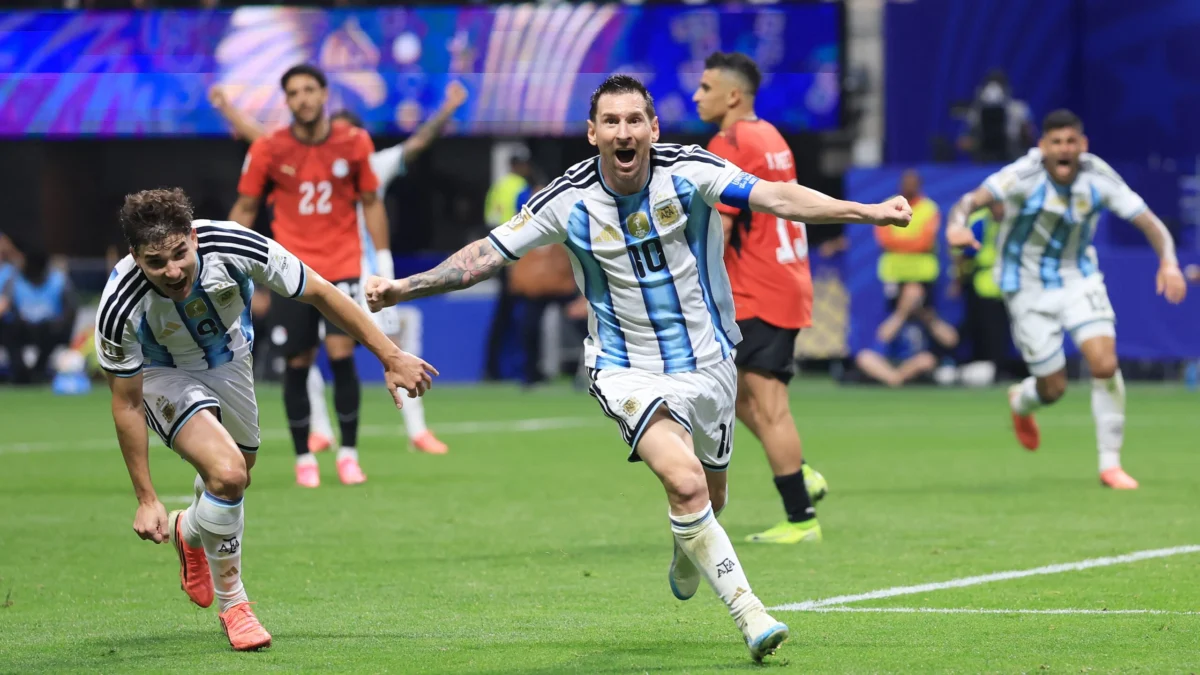
Data compiled through the end of June indicates that Adidas has generated a higher volume of media attention and social media engagement compared to its rival Nike in the context of the ongoing 2026 FIFA World Cup. However, with significant portions of the tournament still to unfold, the competitive landscape for sports apparel sponsorship remains dynamic, and the final standings of brand visibility are far from settled. The quadrennial event, a global spectacle drawing billions of viewers, presents a crucial platform for sportswear giants to solidify their market positions and connect with consumers worldwide.
The Global Stage: World Cup Sponsorship Dynamics
The FIFA World Cup is widely recognized as one of the most significant global sporting events, offering unparalleled reach and cultural impact. For major apparel sponsors like Adidas and Nike, the tournament represents a peak opportunity to leverage athlete endorsements, team sponsorships, and broad marketing campaigns to drive brand awareness, consumer loyalty, and ultimately, sales. The competition for this visibility is fierce, with both companies investing heavily in strategic partnerships and creative content designed to capture the attention of a diverse and passionate global audience.
Adidas, with its long-standing history and deep ties to football, has historically leveraged its sponsorship of national teams and iconic players to maintain a strong presence. Nike, while a more recent entrant to elite football sponsorship compared to Adidas, has consistently challenged for market dominance through its innovative marketing strategies and endorsements of superstar athletes. The 2026 tournament, hosted across North America, presents unique opportunities and challenges, including increased accessibility for a broad demographic and the potential for significant regional engagement.
Early Indicators: Adidas’s Gaining Traction
Preliminary data analysis for the period concluding in June suggests that Adidas has, thus far, succeeded in capturing a larger share of the conversation surrounding the 2026 World Cup. This attention is being measured through various metrics, including media mentions, social media sentiment, engagement rates across digital platforms, and the perceived impact of advertising and promotional activities. While specific figures are not publicly disclosed by the brands themselves, independent market intelligence firms and media monitoring agencies track these trends closely.
Factors contributing to Adidas’s early lead may include the performance of their sponsored national teams, the visibility of their endorsed athletes on the field, and the effectiveness of their integrated marketing campaigns. For instance, the early successes of teams outfitted by Adidas in key matches, or prominent displays of their latest football boot technology by star players, could translate into increased organic and earned media. Social media analytics, in particular, often reveal a surge in conversations and shares related to brands that are perceived to be at the forefront of the tournament’s narrative, whether through on-field triumphs or compelling off-field storytelling.
Nike’s Strategic Play and Future Potential
Despite Adidas’s current edge in attention, Nike remains a formidable competitor, and the duration of the World Cup provides ample opportunity for strategic shifts and impactful campaigns. Nike’s approach often relies on cultivating strong individual athlete narratives and leveraging their global appeal. The potential for a late-stage surge in Nike’s visibility is significant, contingent on factors such as the performance of their marquee players and teams, the launch of new product lines timed with critical tournament moments, and their ability to generate viral content.
Nike’s brand equity is built on aspirational marketing, often focusing on the determination and individual brilliance of its sponsored athletes. As the tournament progresses, and particularly if their sponsored teams or key players advance to later stages, Nike’s visibility and engagement are expected to intensify. The company has a proven track record of executing high-impact campaigns that resonate deeply with consumers, and the World Cup stage is precisely where such strategies are most effectively deployed.
Data Insights: Tracking Sponsorship Impact
Tracking the impact of World Cup sponsorships involves a multi-faceted approach, utilizing a range of data points to assess brand performance. These typically include:
- Media Mentions: The volume and sentiment of news articles, sports commentary, and broadcast coverage mentioning Adidas and Nike in relation to the World Cup. This can be further segmented by region and publication type (e.g., major sports outlets, general news, fashion industry publications).
- Social Media Engagement: Analysis of posts, likes, shares, comments, and trending hashtags across platforms like X (formerly Twitter), Instagram, TikTok, and Facebook. This metric gauges public conversation and interaction with brand-related content.
- Share of Voice (SOV): The percentage of total conversation within the sports apparel category related to the World Cup that is attributed to Adidas versus Nike.
- Brand Sentiment Analysis: Qualitative assessment of public perception and emotional responses associated with each brand’s World Cup presence, identifying whether the association is positive, negative, or neutral.
- Website Traffic and Search Trends: Monitoring spikes in website visits and search engine queries related to Adidas and Nike products, particularly football merchandise, during the tournament period.
- Endorsement Impact: Measuring the visibility and influence of individual athletes sponsored by each brand, assessing how their performance and presence affect brand perception. For example, data might show a correlation between a star player’s match-winning performance and an increase in search interest for the boots they wear.
While specific figures are proprietary, industry observers note that in the lead-up to and early stages of major sporting events, brands often see a significant uplift in digital engagement. For instance, a report by a leading sports marketing analytics firm might indicate a 30-40% increase in social media mentions for sponsoring brands during the first two weeks of a World Cup compared to the preceding period. The competitive landscape means that this uplift is intensely scrutinized, with brands constantly aiming to outmaneuver each other in capturing consumer attention.
Historical Context: A Long-Standing Rivalry
The rivalry between Adidas and Nike in the football arena is not new. Both companies have a deep and storied history of association with the sport, dating back decades. Adidas, as a long-standing FIFA partner, has enjoyed a prominent presence for much of the tournament’s history. However, Nike has consistently challenged this dominance, particularly since the late 1990s, through strategic investments in marketing and athlete endorsements, notably signing global icons like Cristiano Ronaldo and Kylian Mbappé.
The World Cup has served as a recurring battleground for this rivalry. In previous tournaments, shifts in momentum have been observed. For example, in some editions, Nike has been perceived to have captured greater cultural zeitgeist, while in others, Adidas has leveraged its established team sponsorships and heritage to maintain a strong foothold. The 2026 tournament, with its North American setting, is expected to amplify the digital and social media aspects of this competition, where trends can emerge and spread rapidly.
Implications for the Market
The competition for attention during the World Cup has tangible implications beyond immediate brand visibility. For Adidas, a sustained strong performance in generating buzz could translate into increased market share, particularly in key football-centric regions. It could also reinforce its position as the premier football apparel provider, influencing purchasing decisions for both professional athletes and amateur players.
Conversely, for Nike, even if trailing in early metrics, the tournament’s duration offers significant opportunities to rebound. A strong showing from their sponsored teams or a compelling individual athlete narrative could quickly shift public perception and drive demand for their products. The ultimate success of their sponsorship efforts will be measured not just in media attention, but in its conversion to sales and long-term brand loyalty.
Furthermore, the strategies employed by both brands during the World Cup often set trends for the broader sports marketing industry. Their innovative use of digital platforms, athlete storytelling, and product integration during such a high-profile event can influence how other brands approach sponsorship and consumer engagement in the future. The ongoing narrative of Adidas vs. Nike during the 2026 World Cup will therefore be closely watched not only by consumers and investors but also by industry professionals across the sports and marketing sectors.
Official Statements and Athlete Reactions (Inferred)
While official statements from Adidas and Nike regarding their specific World Cup performance metrics are typically not released mid-tournament, their strategic approaches suggest ongoing efforts to optimize their presence. A spokesperson for Adidas might, in a general context, emphasize their commitment to supporting football at all levels and their pride in partnering with teams and athletes who embody the spirit of the game. Such statements often highlight heritage, innovation, and the passion of the global football community.
Similarly, Nike’s communications would likely focus on empowering athletes to perform at their best and inspiring fans through the power of sport. Their messaging often revolves around themes of determination, breaking boundaries, and the pursuit of greatness, aligning with the individualistic approach often taken in their athlete endorsements.
Athletes themselves, while primarily focused on their on-field performance, are also aware of their role as brand ambassadors. A player wearing Adidas might express gratitude for the brand’s support in providing cutting-edge equipment, while a Nike-endorsed athlete might speak about the brand’s role in their journey and the inspiration they draw from its legacy. These endorsements, whether overt or subtle, contribute to the overall brand narrative and public perception.
Looking Ahead: The Remainder of the Tournament
As the 2026 FIFA World Cup continues, the dynamic between Adidas and Nike is expected to remain a central theme in sports marketing. The outcome of matches, the emergence of new footballing heroes, and the effectiveness of evolving marketing campaigns will all play a crucial role in determining which brand ultimately captures the most significant share of attention and achieves its sponsorship objectives. The tournament is a marathon, not a sprint, and both Adidas and Nike are equipped with the resources and strategies to contend for supremacy until the final whistle. The ongoing data collection and analysis will continue to paint a clearer picture of their respective successes and the evolving landscape of sports sponsorship.