Reynand Wu
The backbone of the United States agricultural economy rests upon a labor force that is as essential as it is structurally obscured. While the nation’s food security depends on the consistent output of migrant and seasonal farmworkers, the living conditions afforded to these laborers reveal a stark, intentional spatial arrangement designed to ensure their compliance and minimize their visibility. Across rural landscapes in California, North Carolina, and the Midwest, migrant housing is frequently sequestered behind natural buffers, locked gates, and vast distances from urban centers. This physical isolation is not a mere byproduct of rural geography; it is a calculated feature of an agricultural labor system that conflates housing with employment, effectively tethering the worker’s right to shelter to their status as an employee.
The Evolution of Farmworker Housing: A Historical Context
The history of migrant labor housing in the United States is rooted in the early 20th century, a period marked by both industrial agricultural expansion and systemic efforts to keep the labor force in a state of precarity. During the Great Depression, the plight of migrant families became a focal point of national attention, famously captured by photographers such as Dorothea Lange. Images from this era depicted families living in makeshift camps, lacking basic sanitation and privacy.
By the mid-20th century, the implementation of the Bracero Program (1942–1964) institutionalized the recruitment of temporary Mexican workers. During this era, the housing provided to these laborers was often rudimentary, military-style barracks that prioritized efficiency over the human needs of the occupants. While the formal Bracero Program ended decades ago, the structural template it established—where employers exercise near-total control over the domestic lives of their workers—persists today through the H-2A visa program. This federal program allows agricultural employers to hire foreign workers for seasonal work, provided they meet specific housing standards. However, these standards are frequently criticized by labor advocates as being the bare minimum, failing to address the fundamental lack of autonomy inherent in employer-provided housing.
The Mechanics of Spatial Control: Sociological Perspectives
The arrangement of modern farmworker dormitories functions as a sophisticated, if grim, tool of management. Sociologists point to the work of Henri Lefebvre, who argued that space is not a neutral container but is instead "socially produced" by those in power. In the context of agricultural labor, the design of housing—the narrow corridors, the lack of private kitchen facilities, and the distance from town centers—reflects a deliberate hierarchy.
Michel Foucault’s theories on discipline and surveillance further elucidate this dynamic. In many migrant facilities, the architecture itself acts as a silent enforcer. By clustering workers in high-density dormitories with shared communal spaces, the environment inherently limits privacy and discourages collective organization. When an employer serves as both the landlord and the supervisor, the power dynamic becomes absolute. A worker’s complaint regarding working conditions, wages, or mistreatment does not merely jeopardize their income; it threatens their immediate access to shelter, thereby creating a profound deterrent against any form of dissent.
Data and Regulatory Disparities
Current data regarding the health and safety of these facilities underscore the precarious nature of this living arrangement. According to the U.S. Department of Labor (DOL) and reports from various farmworker advocacy groups, H-2A housing is subject to inspection, yet the frequency and rigor of these inspections remain a point of contention.
In many states, the oversight of these facilities is split between federal agencies and state-level agricultural or labor departments. The sheer scale of the industry, combined with the geographical isolation of many sites, results in a regulatory environment where violations are often underreported. Common issues identified in investigative reports include:
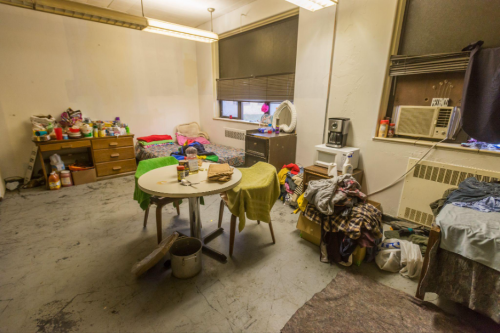
- Overcrowding: Violation of square-footage-per-occupant standards remains a recurring issue.
- Sanitation: Inadequate access to laundry facilities, clean water, and functional waste management systems.
- Infrastructure: Buildings that lack proper climate control, particularly in regions prone to extreme heat, posing severe health risks to laborers engaged in strenuous outdoor work.
The connection between housing and immigration status further complicates the oversight process. For many H-2A workers, the fear of repatriation is the primary barrier to reporting substandard conditions. Because the visa is tied to the employer, any act that risks termination is essentially an act that risks deportation.
Official Responses and Industry Defense
Agricultural industry representatives often emphasize that the provision of housing is a significant capital investment. They argue that in remote rural areas where affordable housing is scarce or non-existent, the responsibility to provide shelter for seasonal workers is an essential service rather than a method of control. Furthermore, trade groups frequently highlight their compliance with the Occupational Safety and Health Administration (OSHA) and DOL guidelines, asserting that their facilities meet legal requirements designed to ensure worker safety.
Conversely, legal aid clinics and labor rights advocates argue that the "legal standard" is outdated and insufficient. They point out that these standards were drafted decades ago and fail to account for modern requirements for dignity, family reunification, or long-term health. The consensus among human rights observers is that the system prioritizes the "expendability" of the worker, treating them as a temporary resource rather than a member of the local community.
The Human Cost: A Case Study in Silence
The lived experience of migrant workers, as documented by those working within legal and advocacy frameworks, contradicts the sanitized reports of compliance. Workers frequently describe an environment where the lack of personal space is a source of psychological distress. The inability to host family members, the lack of private areas to store personal belongings, and the constant monitoring of movement create a sense of being "in limbo."
In one documented instance, a worker reported that the physical layout of his bunkhouse meant that he was in constant auditory range of his peers, precluding any sense of rest or private reflection. Similarly, families employed in seasonal labor are often separated or forced to live in environments that are ill-suited for domestic life, hindering the development of community ties and the ability to integrate into the social fabric of the regions where they labor for months at a time.
Broader Implications and Future Outlook
The spatial segregation of the agricultural workforce has significant implications for public health and social policy. When a segment of the population is effectively removed from the public eye, their specific needs—ranging from medical care to educational resources for children—are often neglected.
The structural determinants of health, which include the physical environment in which one resides, play a pivotal role in the long-term well-being of farmworkers. By keeping this population in isolated, employer-controlled housing, the system systematically suppresses the visibility of health inequities. Addressing this issue requires a fundamental shift in how the United States views agricultural labor. It necessitates moving away from the paradigm of "temporary, expendable units" toward a model that respects the rights of workers to live with dignity and autonomy.
As policymakers weigh potential reforms to immigration and labor laws, the conversation must expand beyond wages and visa quotas to include the "right to the city" for those who feed the nation. If the agricultural sector is to remain sustainable, it must reconcile its dependence on migrant labor with the moral imperative to ensure that the people behind the food are not hidden, silenced, or subjected to conditions that mirror those of the past. The spatial architecture of our food system is, ultimately, a reflection of our collective values; for as long as we allow this invisibility to persist, we remain complicit in a structure that values efficiency at the expense of human equity.