Jono Maryono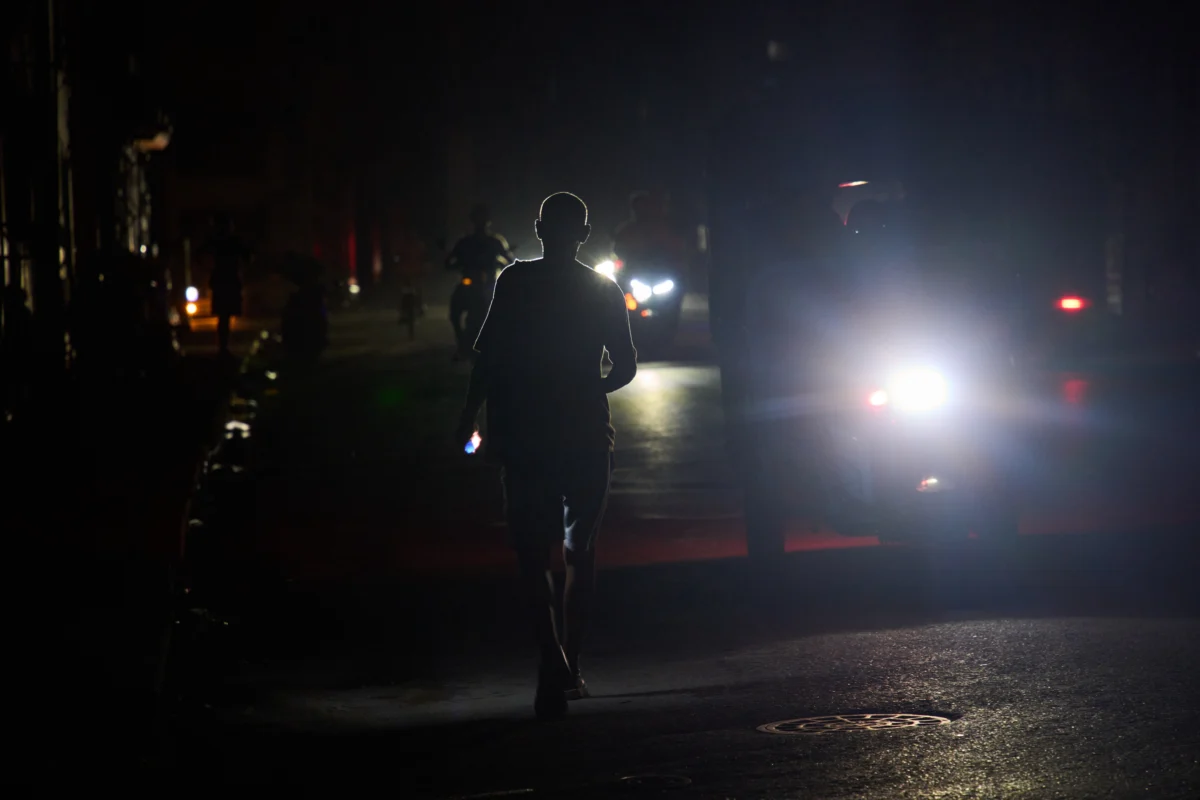
Cuban authorities and engineers scrambled on the weekend to restore electricity to millions of citizens following a catastrophic nationwide blackout that plunged the entire island into darkness. The grid failure, which began late last week, represents the latest in a relentless series of systemic power failures that have crippled daily life, paralyzed economic activity, and exacerbated an already severe humanitarian crisis across the Caribbean nation.
State-run electric utility Unión Eléctrica (UNE) reported that power was returning only incrementally, with approximately half of the customers in the capital city of Havana having service restored by Saturday afternoon. The restoration process, described by officials as delicate and conditional upon the stabilization of the remaining infrastructure, highlights the extreme fragility of Cuba’s electrical grid.
This latest grid collapse is at least the twelfth major blackout recorded since late 2024 and marks the sixth time this calendar year that the national power system has suffered a total or near-total failure. As infrastructural decay intersects with mounting geopolitical pressures, ordinary Cubans find themselves bearing the brunt of a compounding energy emergency.
Chronology of the Collapse and Immediate Aftermath
The crisis began unfolding late last week when a severe failure struck high-voltage transmission lines located in the central region of the island. Initially, the disruption isolated five eastern provinces, throwing millions into darkness without warning. However, due to the interconnected and inherently unstable nature of the national grid, the localized fault triggered a cascading series of system protections that ultimately forced the shutdown of major power plants nationwide, resulting in a total island-wide blackout.
Unión Eléctrica officials pointed to a combination of technical failure and environmental factors, noting that unstable weather conditions in the central provinces exacerbated the vulnerability of the transmission corridors. By Friday evening, engineering teams were deployed across the country to restart thermal power plants and stabilize transmission lines, a complex procedure that requires a delicate balance to prevent secondary trips.
In Havana, where the return of power has been prioritized to support critical infrastructure such as hospitals and water pumping stations, the response has been painfully slow. UNE representatives emphasized on social media that re-establishing generation capacity is being conducted gradually, as conditions permit, to avoid overwhelming the fragile network. Nevertheless, large swathes of the country remained without electricity, refrigeration, or communication lines well into the weekend.
Decades of Decay Meets a Tightening Energy Blockade
Cuba’s chronic energy shortages are not a recent phenomenon. For years, the island’s electrical sector has struggled under the weight of decaying infrastructure, chronic lack of capital investment, and severe shortages of the fuel required to run oil-fired power plants. Most of Cuba’s thermoelectric facilities have exceeded their designed lifespans, requiring frequent, unpredictable maintenance that the cash-strapped government struggles to finance.
However, the frequency and severity of blackouts have escalated exponentially following a significant policy shift by the United States. In January, the U.S. government implemented a strict energy blockade aimed at tightening political and economic pressure on the Cuban state. This blockade has severely restricted the island’s ability to import petroleum, refined fuels, and necessary replacement parts for its power generation facilities.
The sanctions have effectively cut off traditional supply chains, forcing Havana to seek alternative, often more expensive and unreliable sources of energy imports. Consequently, fuel reserves have plummeted to critical lows. Without adequate diesel to run emergency backup generators or heavy fuel oil to feed the primary thermoelectric plants, the grid operates on a razor-thin margin, making it exceptionally vulnerable to even minor technical glitches or adverse weather events.
Humanitarian Concerns and International Condemnation
The compounding energy crisis has drawn sharp criticism from international bodies and human rights organizations. United Nations human rights experts have formally condemned the U.S. oil blockade, labeling it a violation of international law and warning that the unilateral coercive measures are inflicting severe suffering on the civilian population.
In particularly stark warnings, UN monitors have cautioned that Cuba risks becoming a silent Gaza, characterized by escalating shortages of food, clean water, medical supplies, and electricity. The blockade restricts not only direct energy supplies but also creates a chilling effect on international shipping and banking, deterring foreign companies and humanitarian organizations from engaging with Cuba for fear of running afoul of U.S. secondary sanctions.
Human rights advocates argue that penalizing the energy sector disproportionately impacts vulnerable populations, including the elderly, children, and hospital patients, while doing little to achieve its stated political objectives. Despite these appeals, Washington has maintained its stance, insisting that the pressure is designed to address governance and human rights concerns within the island nation.
Voices from the Ground: Daily Survival Amid Exhaustion
For the average Cuban citizen, the macroeconomic debates surrounding sanctions and infrastructure translate into a daily struggle for basic survival. The psychological and physical toll of relentless blackouts has pushed many residents to their breaking point.
Frank Lorenzo, a 23-year-old resident of Havana, described the relentless cycle of power losses that characterizes modern life on the island. Speaking to international news agencies, Lorenzo noted that he had endured a 24-hour blackout prior to Friday’s collapse. Electricity was restored for a mere hour before the grid failed entirely once more, rendering any attempt at routine household management impossible.
The scarcity of electricity quickly triggers a domino effect across other essential public services. Lidia Fernandez, a 36-year-old schoolteacher in Havana, highlighted the interconnected nature of the shortages. Without electricity, water pumps fail, leaving households without running water. Simultaneously, shortages of liquefied petroleum gas make cooking difficult, forcing residents to rely on makeshift methods or go without hot meals.
It is one thing after another: no water, no gas for cooking, no electricity, Fernandez remarked, capturing the collective exhaustion of a population navigating unending deprivation. Honestly, I don’t know how we haven’t gone crazy.
The reliance on backup generators, which could theoretically mitigate the impact of blackouts for those who can afford them, is similarly undermined by the fuel blockade. Imported diesel, required to run these generators, is strictly rationed and largely unavailable to the general public, leaving neighborhoods entirely at the mercy of the central grid’s erratic performance.
Broader Economic and Geopolitical Implications
The ongoing collapse of Cuba’s electrical grid carries profound implications for the country’s social stability and economic future. Industry analysts point out that prolonged blackouts paralyze light manufacturing, disrupt agricultural processing and cold-chain storage—leading to significant food spoilage—and severely hamper the tourism sector, which remains a vital source of hard currency for the Cuban economy.
Furthermore, the persistent energy instability has fueled domestic discontent, leading to sporadic protests and accelerating emigration trends. Hundreds of thousands of Cubans have left the island in recent years, seeking economic stability and basic security abroad, resulting in a severe brain drain that further compromises the country’s capacity to manage complex technical infrastructure.
As Cuban engineers continue their painstaking work to restore generation capacity and stabilize the national grid, the underlying vulnerabilities remain unaddressed. Without a lifting of the U.S. energy blockade, substantial foreign investment, or access to affordable fuel and replacement parts, experts warn that the island will remain trapped in a recurring cycle of catastrophic blackouts. For the millions of citizens waiting in the dark, the return of power offers only temporary relief until the next inevitable failure strikes the fractured system.