Jono Maryono
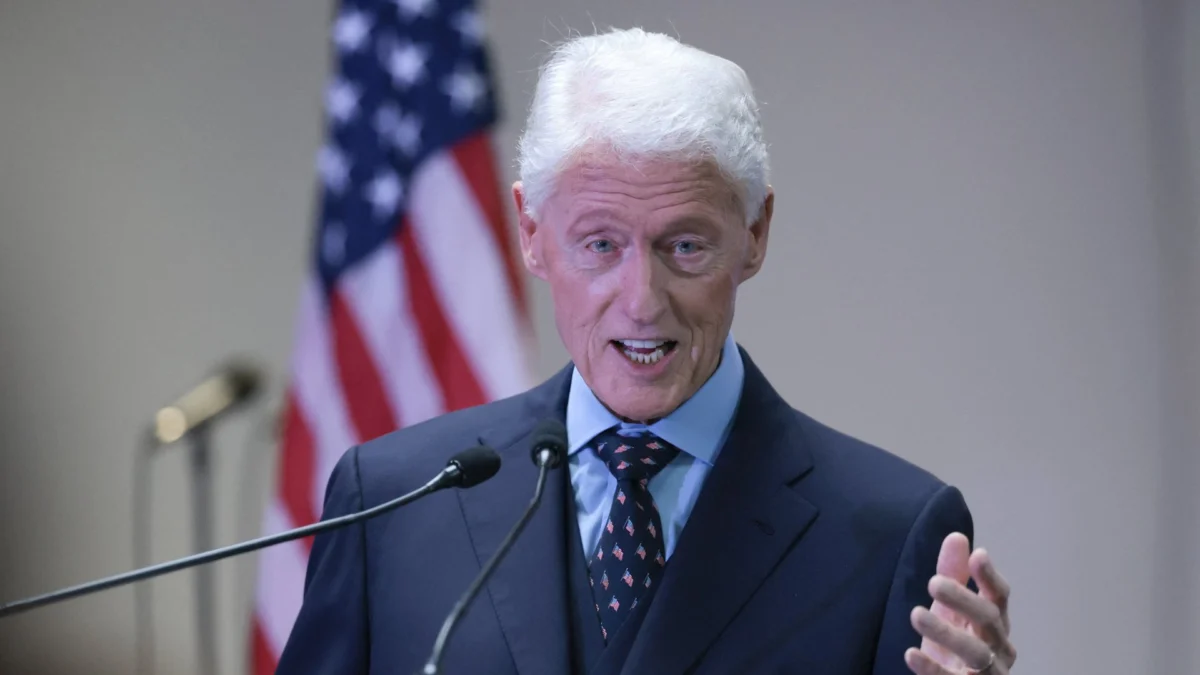
Former United States President Bill Clinton delivered a passionate address at the Koinonia Worship Centre in Florida, stepping into the national spotlight to vigorously condemn anti-Muslim rhetoric and advocate for religious tolerance. Speaking before a diverse congregation, the former president made headlines by quoting from the Quran, a moment he attributed to a lesson learned from his daughter, Chelsea Clinton. Clinton’s remarks directly challenged the rising tide of Islamophobia in contemporary American political and social discourse, emphasizing shared values, human dignity, and the historical coexistence of Abrahamic faiths. The speech has since sparked widespread public debate, drawing praise from civil rights organizations while renewing discussions on the role of political figures in shaping public attitudes toward religious minorities in the United States.
Background Context of the Event
The setting of Clinton’s speech, the Koinonia Worship Centre, is known for its community outreach and interfaith engagement initiatives. Over recent years, Florida has emerged as a significant geopolitical and cultural battleground where issues of religious freedom, immigration, and cultural integration frequently intersect. The region’s diverse demographic landscape provides a unique backdrop for discussions centered on pluralism and tolerance.
Clinton’s decision to address Islamophobia directly reflects ongoing anxieties within minority communities across the United States. In recent decades, American Muslims have frequently found themselves at the center of polarized political debates, often facing targeted rhetoric, discrimination, and civil rights challenges. By invoking Islamic scripture within a Christian house of worship, Clinton sought to bridge cultural divides and underscore a message of universal compassion.
The inclusion of the Quranic reference was particularly notable. Clinton recounted how his daughter, Chelsea, had introduced him to a specific verse that resonated deeply with his views on humanity and empathy. By sharing this personal anecdote, the former president aimed to humanize the discourse surrounding Islam, moving beyond sterile political talking points and appealing directly to the moral conscience of his audience.
Chronology and Key Moments of the Address
The event unfolded against a backdrop of heightened political sensitivity regarding identity and faith in America. While the speech itself was delivered as part of a routine speaking engagement, the specific segments addressing religious tolerance quickly overshadowed the remainder of the program.
During the central portion of his address, Clinton addressed the persistent marginalization of Muslim communities. Expressing visible frustration with prevailing cultural narratives, he remarked, “I’m tired of people denigrating Muslims for being Muslims.” This unscripted, direct declaration formed the emotional core of his speech.
Following this statement, Clinton transitioned into his discussion of shared scriptural traditions. He noted that misunderstandings about Islam often stem from a lack of basic education and exposure to the faith’s actual teachings. By reciting the Quranic verse shared with him by his daughter, Clinton sought to illustrate that foundational moral principles—such as charity, kindness, and respect for one’s neighbors—are shared across major world religions.
The speech concluded with a broader call to action, urging citizens to reject prejudice in all its forms and to actively counter divisive political rhetoric that seeks to pit communities against one another. The immediate reaction within the auditorium was overwhelmingly positive, marked by sustained applause from the congregants in attendance.
Supporting Data and Sociological Context
To understand the weight of Clinton’s remarks, it is necessary to examine the broader empirical data surrounding religious discrimination and Islamophobia in the United States. According to comprehensive reports compiled by civil rights organizations such as the Council on American-Islamic Relations (CAIR) and research institutions like the Pew Research Center, anti-Muslim sentiment remains a persistent challenge in American society.
Data from the Federal Bureau of Investigation (FBI) consistently highlights that religiously motivated hate crimes represent a significant portion of all reported bias incidents in the United States. Within this category, anti-Islamic incidents have historically accounted for a disproportionate share when measured against the total population size of American Muslims. Furthermore, sociological surveys conducted over the last two decades indicate that a notable percentage of Americans harbor unfavorable views of Islam, frequently influenced by media coverage, geopolitical conflicts, and political rhetoric.
Public opinion research also demonstrates that interfaith dialogue and personal familiarity with Muslim neighbors significantly reduce levels of prejudice. When public figures, such as former presidents, explicitly advocate for inclusion and challenge xenophobic stereotypes, empirical studies suggest that such interventions can temporarily shift public discourse and encourage more inclusive community behaviors. Clinton’s intervention aligns with this pattern, leveraging high-profile visibility to amplify counter-narratives against intolerance.
Reactions and Official Responses
In the hours and days following the address at the Koinonia Worship Centre, reactions poured in from political analysts, interfaith leaders, and civil rights advocates. The response highlighted the enduring influence of the former president’s voice in national conversations.
Prominent civil rights organizations issued statements welcoming Clinton’s remarks. Representatives from Muslim-American advocacy groups praised the former president for his willingness to quote the Quran and for his unequivocal condemnation of Islamophobia. Many emphasized that leadership from mainstream political figures is vital in normalizing the presence and contributions of religious minorities in America.
Conversely, the speech drew mixed reactions across the political spectrum. While moderate and progressive commentators lauded the message of unity and religious freedom, some critics questioned the timing and political motivations behind the intervention. Conservative commentators debated whether high-profile politicians should wade into theological discussions, arguing that such speeches sometimes risk oversimplifying complex socio-political issues. Despite these critiques, the dominant public narrative remained focused on the historical significance of a former U.S. president explicitly defending Muslim identity and utilizing Islamic scripture in a public address.
Broader Impact and Policy Implications
The implications of Bill Clinton’s Florida address extend far beyond a single speaking engagement, touching upon broader questions of civic responsibility, national identity, and political communication in the modern era.
As the United States continues to grapple with demographic shifts and cultural polarization, the tone set by national leaders carries substantial weight. Speeches that champion pluralism serve as an important counterweight to exclusionary political movements. By framing the defense of Muslim Americans as a moral imperative rather than a partisan issue, Clinton reinforced the foundational American principle of religious freedom.
Moreover, the event highlights a growing trend among public figures to engage in deliberate interfaith outreach. As communities become increasingly interconnected, the ability to communicate across religious and cultural divides is viewed by sociologists and policymakers as essential for maintaining social cohesion. Whether Clinton’s remarks will translate into long-term shifts in public attitudes remains to be seen, but the speech has undoubtedly injected a vital perspective into the ongoing debate over diversity, inclusion, and national identity in the United States.