Ferry Irwandi
For two millennia, the topography of Hanoi has evolved through layers of imperial ambition, colonial infrastructure, and rapid contemporary development. Today, Vietnam’s capital operates as a study in dynamic juxtaposition. French colonial villas with peeling yellow stucco and shuttered windows stand in direct defiance of glass-fronted commercial towers. Centuries-old Buddhist temples, fragrant with burning incense, share narrow streets with sleek contemporary art galleries and international retail flagships. The physical layout of the city—anchored by the labyrinthine alleys of the Old Quarter and the broad, tree-lined boulevards of the French Quarter—tells a story of continuous transformation.
Yet, understanding this urban evolution requires looking beyond the streetscape and into the city’s hospitality sector. The accommodations of Hanoi function far beyond mere lodging; they serve as architectural and cultural archives. From century-old grand dames that hosted diplomats and war correspondents to bold, contemporary expressions of Vietnamese maximalism and intimate boutique properties tucked into residential alleys, Hanoi’s hotels encapsulate the past, present, and future of the metropolis. Increasingly, these properties define the culinary and wellness standards of Southeast Asia, housing Michelin-starred dining rooms, award-winning cocktail bars, and world-class design-centric spas.
The Evolution of Hanoi’s Hospitality Sector
The transformation of Hanoi’s hotel market mirrors the broader economic trajectory of Vietnam over the past three decades. Following the introduction of Đổi Mới—the economic reforms initiated in 1986 that transitioned the country toward a socialist-oriented market economy—foreign investment and tourism surged. Initially, the hospitality landscape was starkly polarized, divided between state-run institutional monoliths and budget backpacker hostels.
By the late 1990s and early 2000s, international hotel brands recognized the commercial potential of the heritage market, leading to the meticulous restoration of historic properties. This preservationist impulse prevented the wholesale demolition of French colonial architecture in prime districts. In recent years, the market has matured further, welcoming avant-garde boutique properties and ultra-luxury global chains. These new market entrants challenge traditional design paradigms by integrating indigenous crafts, local art, and regional architectural motifs into high-end global standards.
Industry analysts note that this diversification has fundamentally shifted visitor behavior. Tourists no longer view Hanoi merely as a transit hub or a 48-hour stopover en route to Hạ Long Bay or Sapa. Instead, the emergence of destination hotels—properties where the amenities, culinary programs, and wellness offerings rival urban resorts globally—has extended average length of stay and elevated visitor expenditure across the region.
Geographic Breakdown: Choosing the Right Neighborhood
Selecting accommodation in Hanoi is fundamentally an exercise in determining which era and lifestyle of the city a traveler wishes to inhabit. The urban sprawl radiates outward from Hoàn Kiếm Lake, a body of water that functions as the geographic and spiritual heart of the capital.
The Historic Core: Hoàn Kiếm Lake and the Old Quarter
For first-time visitors, the perimeter of Hoàn Kiếm Lake offers an optimal balance of accessibility and atmosphere. Situated at the intersection of the historic French Quarter and the bustling Old Quarter, this area places guests within walking distance of major cultural institutions, including the Thăng Long Water Puppet Theatre, the National Museum of Vietnamese History, and the Ngã Sơn Temple.
The Old Quarter itself, historically organized by trade guilds—hence streets named Hàng Bạc (Silver Street) and Hàng Mã (Votive Paper Street)—presents a dense, sensory-heavy environment. While staying directly within the deep interior of the Old Quarter immerses travelers in the relentless, energetic pulse of local commerce, it also exposes them to high decibel levels and narrow, elevator-free historic buildings. Consequently, many boutique properties positioned just on the periphery, such as Hotel de Lagom, offer a strategic compromise, providing quiet retreats moments away from the historic core.
The French Quarter: Architectural Elegance and Institutional Luxury
South and east of the lake lies the French Quarter, characterized by wide avenues, administrative government buildings, foreign embassies, and grand villas. This district caters predominantly to luxury travelers, corporate executives, and diplomats. The architectural grammar here is defined by neo-Classical facades, wrought-iron balconies, and manicured courtyards. Properties located in this zone provide a more subdued, spacious, and historically preserved environment, functioning as oases of calm removed from the chaotic traffic patterns of the northern commercial districts.
Landmark Properties and Contemporary Entrants
The dichotomy of Hanoi’s hotel sector is best understood through its flagship properties, ranging from enduring historical institutions to cutting-edge newcomers.
The Historic Standard: Sofitel Legend Metropole Hanoi
Operating continuously since 1901, the Sofitel Legend Metropole Hanoi stands as the undisputed grande dame of Indochinese hospitality. Having hosted historical figures, authors, and heads of state over more than 120 years, the property maintains its historical integrity through its meticulously preserved Heritage Wing. The hotel’s operational ethos heavily emphasizes its past; the subterranean "Path of History" bomb shelter, discovered during renovations in 2011 and subsequently opened to guests, serves as a poignant reminder of the American War. Beyond its historical weight, the Metropole maintains contemporary relevance through high-end culinary outlets and rigorous service standards that consistently set benchmarks for the country.
The Contemporary Vanguard: Fairmont Hanoi
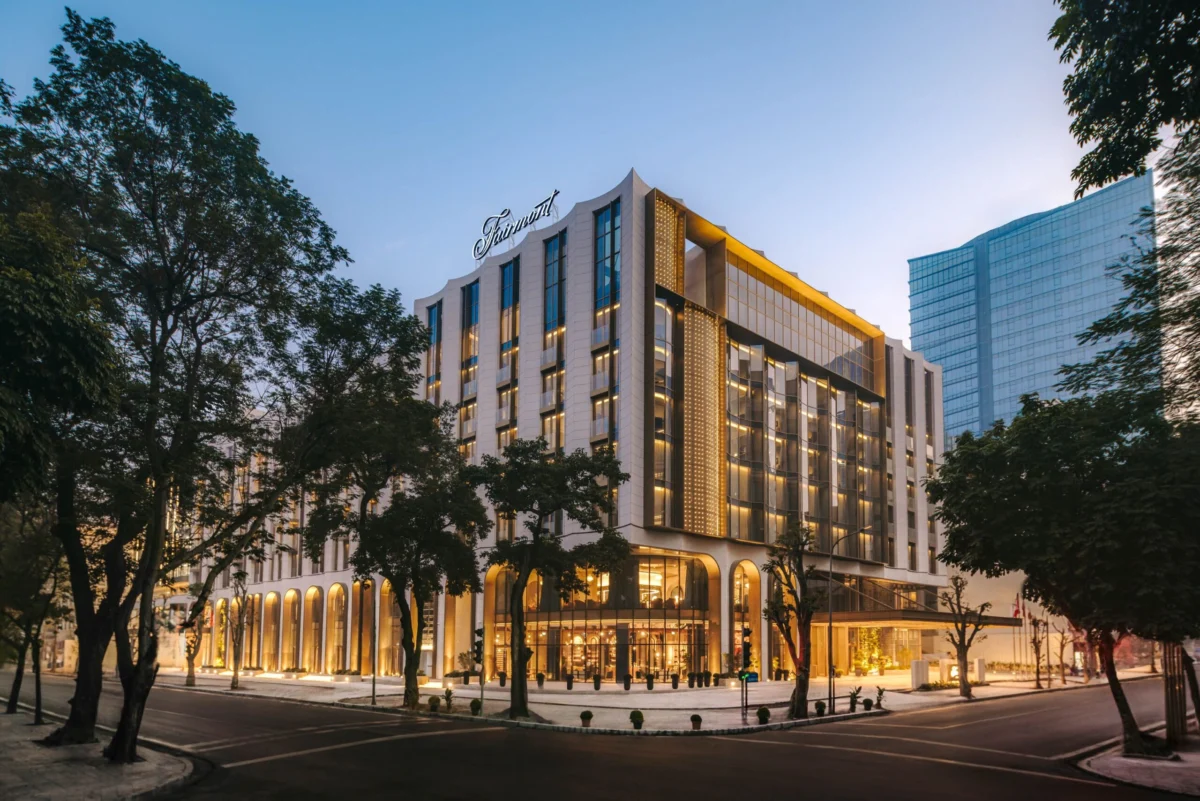
Representing the new wave of luxury arrivals, the Fairmont Hanoi introduces a bold, contemporary interpretation of Vietnamese design to the capital’s upscale segment. Featuring expansive guest rooms that utilize regional textiles, custom woodwork, and modern amenities, the property aims to capture the demographic of travelers seeking cutting-edge luxury without historical pastiche. Its sprawling Cirua Spa and integrated dining concepts reflect a broader industry trend: positioning major hotels as lifestyle hubs for both international travelers and affluent domestic residents.
The Boutique Alternative: Hotel de Lagom and Independent Stays
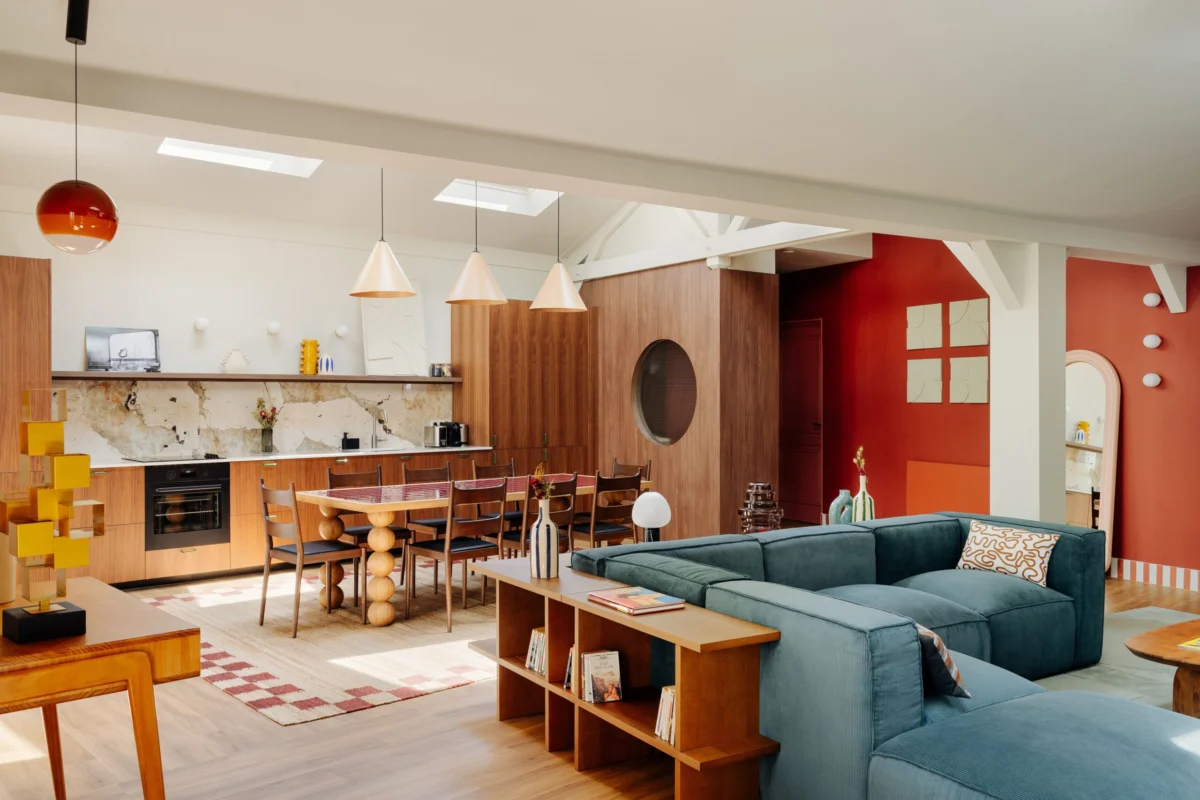
Away from the global mega-brands, Hanoi’s independent boutique sector thrives on intimacy, localized design, and competitive price points. Properties operating in this segment often repurpose historic shophouses or colonial-era administrative buildings, embedding guests directly into neighborhood life. These hotels typically eschew standardized corporate aesthetics in favor of hand-selected local artwork, bespoke furnishings, and highly personalized concierge services that facilitate deep immersion into the city’s culinary and artistic communities.
Economic and Tourism Impact
The ongoing diversification of Hanoi’s hotel sector coincides with aggressive national tourism targets. According to data from the Vietnam National Authority of Tourism (VNAT), the country has focused heavily on shifting its tourism model from high-volume, low-spending backpacker travel to high-value, sustainable cultural tourism.
Urban centers like Hanoi have become primary beneficiaries of this strategic pivot. Investment in upscale hospitality infrastructure directly supports local artisans, interior designers, and agricultural producers who supply the Michelin-starred and fine-dining restaurants embedded within these properties. Furthermore, the emphasis on design-centric, sustainable hotel operations aligns with broader municipal goals to preserve historic architecture while upgrading urban infrastructure to handle increasing international arrivals.
Recommended Itinerary and Practical Considerations
Industry experts generally recommend a minimum allocation of three days to experience Hanoi comprehensively. This timeframe allows visitors to explore the primary cultural anchors—including the Temple of Literature (Vietnam’s first national university), the Ho Chi Minh Mausoleum complex, the French Quarter, and the Old Quarter—while still allowing adequate time to engage with the city’s celebrated culinary culture.
For travelers intending to utilize Hanoi as a base for regional excursions—such as overnight cruises in Hạ Long Bay or geological explorations in Ninh Bình—extending the stay by an additional two days is strongly advised.
Ultimately, the choice of accommodation in Hanoi dictates the narrative lens through whether the city is viewed. Whether selecting a century-old colonial landmark steeped in political and cultural history or a minimalist boutique hotel reflecting the contemporary artistic renaissance of modern Vietnam, the lodging serves as an active participant in the traveler’s urban experience.