Ferry Irwandi
As urban centers across the United States continue to grapple with high density, escalating costs of living, and the relentless pace of modern professional life, the demand for accessible, nature-driven sanctuaries has reached unprecedented heights. Just a couple of hours north of New York City, the Catskill Mountains—spanning a four-county region in southeastern New York—have re-established themselves as the premier escape for city residents and travelers seeking respite. What began centuries ago as a rugged frontier has evolved through distinct cultural eras, ultimately transforming into a thriving contemporary ecosystem defined by sustainable tourism, farm-to-table gastronomy, and a renaissance in architectural hospitality led by independent short-term rentals.
Historical Context and the Evolution of the Region
The appeal of the Catskills is rooted in a rich history of seasonal migration that dates back to the early 19th century. During this period, grand, sprawling hotels were constructed to accommodate vacationers seeking the purported health benefits of crisp mountain air and panoramic scenery. Wealthy industrialists, artists of the Hudson River School, and urban families alike flocked to the highlands to disconnect from the industrialized chaos of eastern seaports.
By the mid-20th century, the region underwent a profound cultural shift, particularly in its southern sector, which became affectionately and historically known as the "Borscht Belt." This era saw the proliferation of expansive resort hotels, bungalow colonies, and summer camps tailored specifically to Jewish travelers who frequently encountered systemic antisemitism and exclusionary policies at mainstream American resorts. For decades, the Borscht Belt served as a vibrant cultural hub, fostering generations of legendary comedians, musicians, and performers while cementing the Catskills into the American social fabric.
However, shifts in commercial aviation, changing vacation preferences, and the rise of affordable international travel in the latter half of the 20th century led to the eventual decline and abandonment of many legacy resorts. For decades, parts of the region experienced economic stagnation as grand hotels fell into disrepair.
The Contemporary Renaissance: Short-Term Rentals and Design-Forward Hospitality
The turn of the 21st century—and more acutely, the socio-economic shifts catalyzed by the COVID-19 pandemic—ignited a dramatic revitalization of the Catskills economy. Real estate investment pivoted sharply toward boutique hospitality and residential tourism. Rather than massive, monolithic hotels, the contemporary Catskills hospitality market is decentralized, anchored by a diverse portfolio of curated Airbnbs, boutique bed-and-breakfasts, and design-minded hideaways.
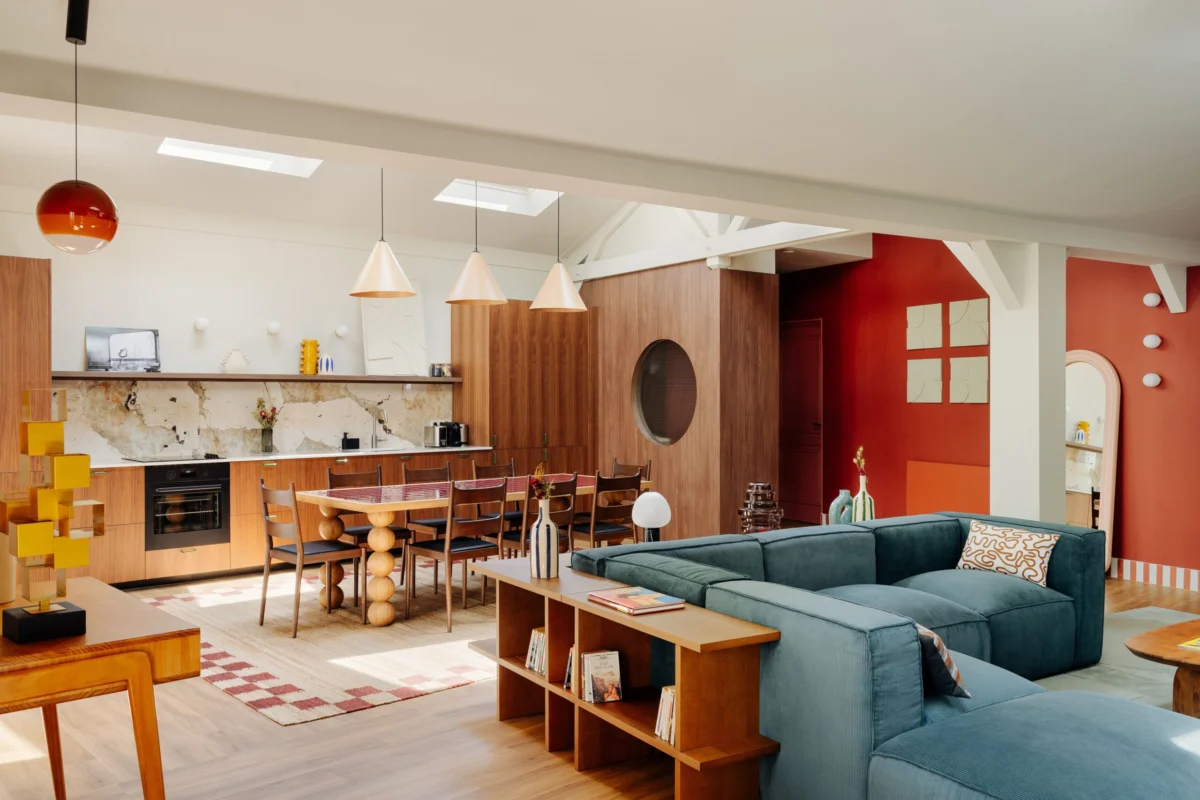
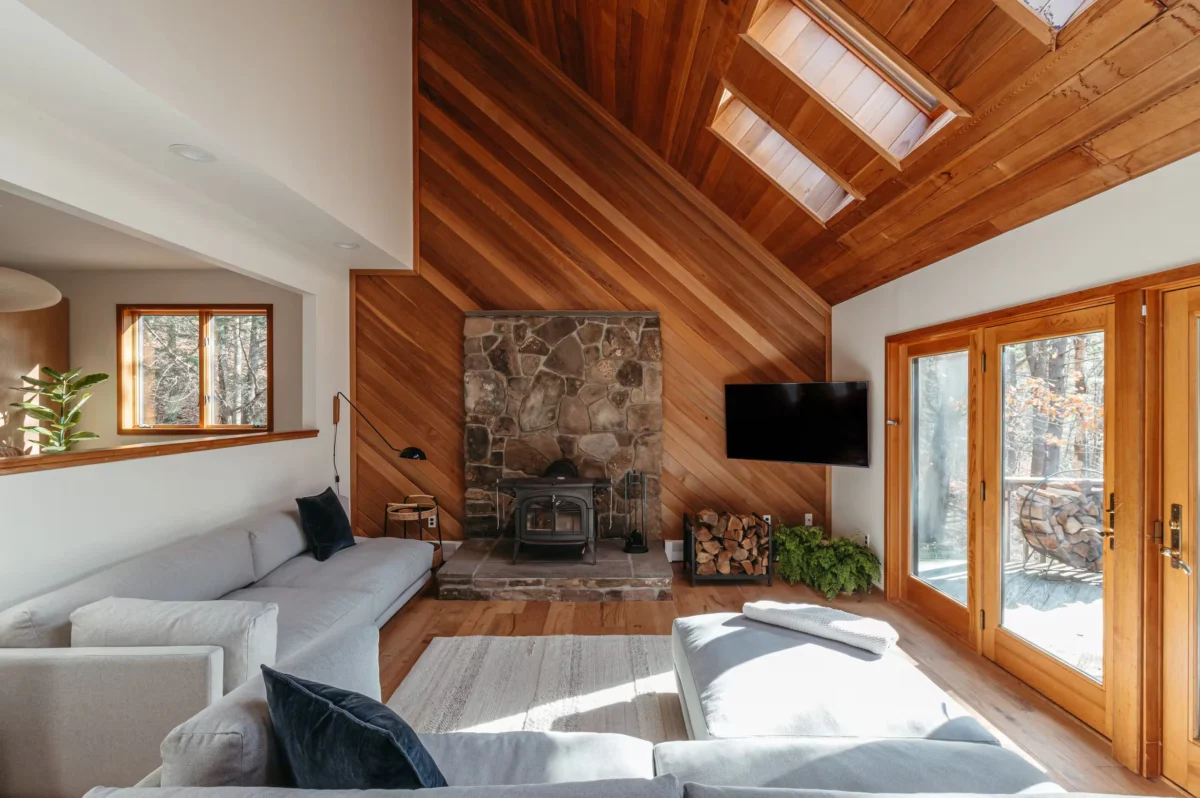
Today’s travelers are greeted by a landscape that seamlessly blends historical reverence with modern aesthetic sensibilities. Across Greene, Sullivan, Ulster, and Delaware counties, the local real estate market has seen a significant influx of capital directed toward architectural preservation and innovative new builds. Glass-walled A-frame cabins tucked deep into dense pine forests, meticulously restored 19th-century farmhouses equipped with modern amenities, and retro-cool geodesic dome homes reflect a broader national design movement prioritizing minimalist luxury, sustainability, and immersive nature integration.
According to regional tourism boards and hospitality analysts, this shift has fundamentally altered the economic profile of upstate New York. Small towns that once struggled post-Borscht Belt—such as Woodstock, Phoenicia, Livingston Manor, and Tannersville—have experienced robust economic revivals. Main streets once lined with shuttered storefronts now feature artisanal coffee shops, contemporary art galleries, second-hand vintage boutiques, and restaurants sourcing ingredients directly from a burgeoning network of local agricultural producers.
Chronology of Upstate Tourism and Regional Development
To understand the current trajectory of the Catskill Mountains, industry analysts often examine the multi-era chronology of regional development:
- Early 1800s to Late 1800s (The Grand Resort Era): The construction of pioneering hotels, such as the Catskill Mountain House, established the region as America’s premier luxury mountain retreat, largely driven by the artistic influence of the Hudson River School.
- Mid-20th Century (The Borscht Belt Era): The region transformed into a cultural sanctuary for Jewish families, giving rise to hundreds of hotels, bungalow colonies, and entertainment venues that shaped American mid-century leisure culture.
- Late 20th Century (Economic Transition): Affordable air travel and changing vacation paradigms led to the closure of legacy resorts, resulting in a prolonged period of economic quietude across the mountain towns.
- Early 2000s to 2019 (The Artisan Revival): A new wave of creative entrepreneurs, chefs, and designers began purchasing affordable legacy properties, injecting new life into local commerce and establishing a nascent farm-to-table food scene.
- 2020 to Present (The Modern Remote Work and Rental Boom): Accelerated by shifting workplace flexibility and urban migration patterns, the short-term rental market expanded exponentially. Properties ranging from modern Scandinavian-inspired cabins to historical homesteads became economic engines, drawing a continuous stream of year-round visitors.
Economic and Demographic Implications
The rapid growth of the short-term rental market in the Catskills has brought both substantial economic benefits and complex policy challenges. On one hand, the influx of transient tourism has generated vital revenue for municipal governments, supported local tradespeople, and spurred job creation in the hospitality, retail, and agricultural sectors. Farm-to-table initiatives have created mutually beneficial partnerships between local farmers and urban-trained restaurateurs, enhancing the region’s culinary reputation on a national scale.
Conversely, the surge in demand for Catskills real estate has driven up property values and housing costs for local, year-round residents. Municipal leaders across the four-county region are increasingly tasked with balancing the economic advantages of a booming tourism industry with the necessity of preserving affordable housing stock for local workforce populations. Regulatory measures, short-term rental licensing requirements, and zoning adjustments are frequently debated at town hall meetings as communities strive to manage sustainable growth without stifling entrepreneurial momentum.
Furthermore, environmental stewardship remains a critical priority. With millions of visitors utilizing regional hiking trails, swimming holes, state parks, and ski slopes—such as those at Hunter Mountain and Belleayre Mountain—local conservation groups emphasize the importance of "Leave No Trace" principles. Infrastructure investments are continually evaluated to ensure that natural ecosystems, watersheds, and wildlife habitats are protected against the pressures of increased human traffic.
Official Responses and Industry Perspectives
Local economic development agencies and tourism bureaus have actively monitored the structural transformation of the Catskills. In recent statements, regional tourism officials have emphasized that the modern appeal of the mountains lies in its authentic duality: the ability to experience rugged, untamed wilderness alongside sophisticated cultural amenities.
"The Catskills have always provided an essential psychological and physical departure from the intensity of metropolitan life," notes a regional tourism policy representative. "What we are witnessing today is not merely a transient trend, but a mature evolution of our regional identity. Travelers are seeking spaces that offer thoughtfulness in design, connection to the environment, and a tangible link to the local community. The proliferation of high-quality, independent vacation rentals has allowed visitors to experience the region not as passive tourists, but as temporary locals who actively participate in and support our local economy."
Real estate analysts point out that the market for Catskills vacation rentals has demonstrated remarkable resilience across various economic cycles. Even as global travel restrictions lifted following the pandemic era, domestic drive-to destinations have maintained strong occupancy rates. Analysts attribute this durability to the region’s geographic proximity to major metropolitan areas like New York City, Philadelphia, and Boston, ensuring a steady, reliable stream of weekend travelers, remote workers, and seasonal residents.
Future Outlook for Sustainable Mountain Tourism
As the Catskill Mountains look toward the future, the primary focus for stakeholders—including property owners, local governments, and environmental advocates—will be managing growth responsibly. The integration of eco-friendly building practices, energy-efficient retrofits for historical homes, and community-centric tourism initiatives will dictate the long-term viability of the region.
The transformation of the Catskills from a 19th-century luxury resort enclave to a mid-century cultural haven, and finally into a decentralized network of design-forward short-term rentals, underscores the adaptability of the region. By continuously reinventing its hospitality offerings while honoring its deep historical roots, the Catskill Mountains have secured their status as an enduring cornerstone of American leisure, offering a blueprint for how rural communities can successfully adapt to the demands of the modern traveler.