Nila Kartika Wati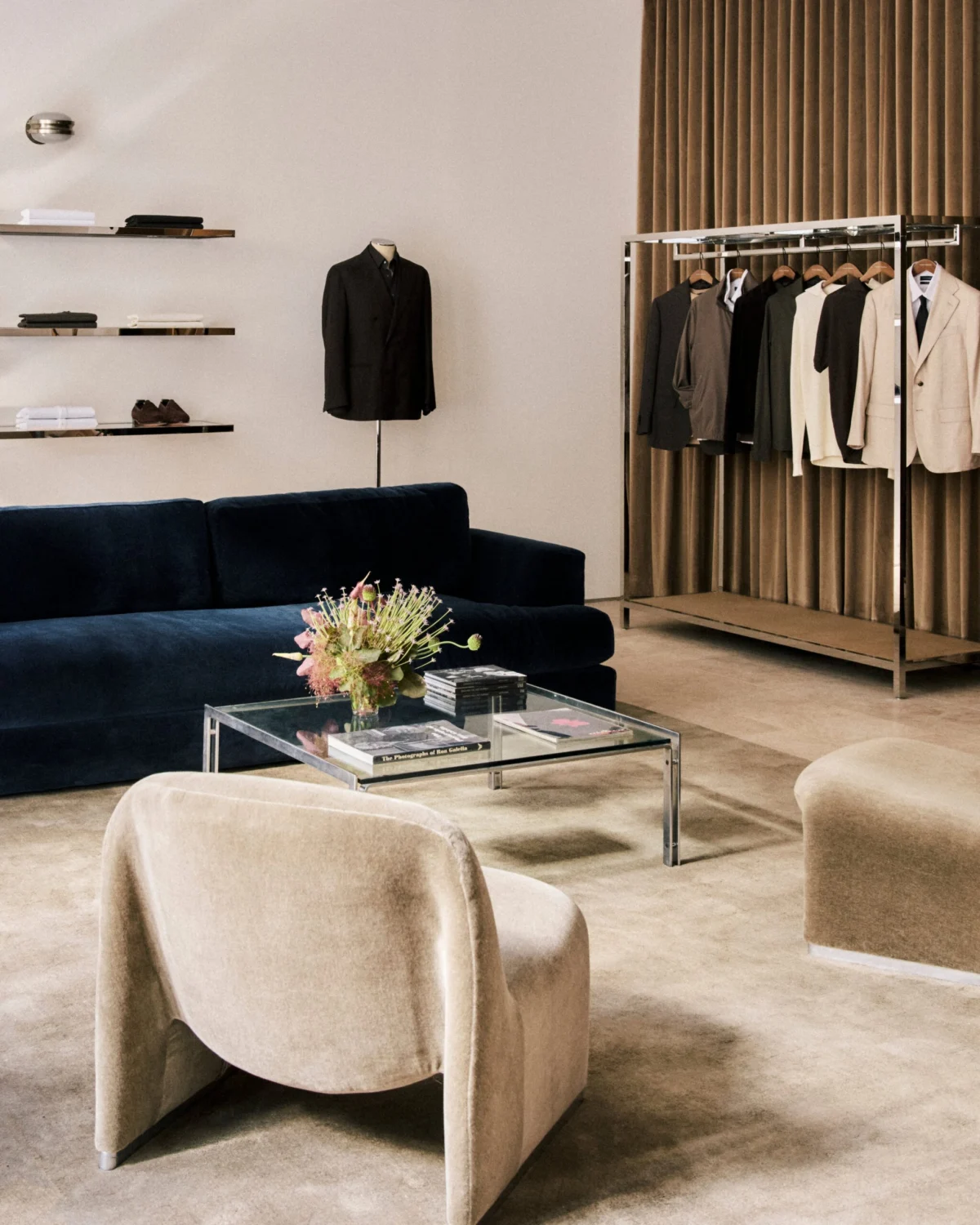
The Upper East Side’s Madison Avenue, once a storied symbol of high-end retail, is experiencing a significant resurgence, signaling a strategic pivot by luxury brands to prioritize affluent enclaves where their most loyal customers reside and frequent. This revival is not merely a return to form but a calculated adaptation to evolving consumer behavior and market dynamics, underscoring a broader trend of brands re-evaluating their physical retail footprints with a laser focus on proximity to wealth and established purchasing power.
For years, the narrative surrounding luxury retail often centered on flagship stores in globally recognized, high-traffic tourist destinations or the digital frontier of e-commerce. However, a confluence of factors, including the lingering effects of the pandemic, a growing appreciation for curated experiences, and a recalibration of brand-customer relationships, has led to a renewed emphasis on localized strategies. Madison Avenue, with its deep-rooted connection to New York’s elite and a demographic profile that aligns perfectly with luxury consumption, has emerged as a prime beneficiary of this shift.
A Strategic Realignment: Beyond High Foot Traffic
The traditional retail mantra of "location, location, location" is being reinterpreted. While foot traffic remains a consideration, the quality and affluence of that traffic are now paramount. Brands are increasingly recognizing that a store situated in a neighborhood where their target demographic lives, dines, and socializes offers a more sustainable and impactful retail presence. This is particularly true for luxury goods, where building enduring customer relationships and fostering brand loyalty are as crucial as immediate sales volume.
This strategic realignment is evident in the recent spate of high-profile openings and expansions along Madison Avenue. Brands are not just leasing space; they are investing in flagship stores designed to be immersive brand experiences, reflecting their heritage, craftsmanship, and aspirational appeal. These spaces are often larger, more thoughtfully designed, and equipped with amenities that go beyond mere transaction, aiming to cultivate a sense of community and belonging among their clientele.
Thom Sweeney: A Case Study in Strategic Relocation
The relocation of Thom Sweeney’s flagship store from its previous SoHo location to Madison Avenue exemplifies this strategic shift. The move has yielded demonstrably positive results, with sales per square foot at the new Madison Avenue store reportedly 40 percent higher than its predecessor. This significant uplift suggests that the affluent clientele of the Upper East Side, coupled with a more conducive retail environment, is a more fertile ground for the brand’s premium menswear offerings.
The previous SoHo location, while historically popular for its bohemian and trend-setting appeal, may have become saturated with a broader retail mix, diluting the concentrated impact of luxury brands. The transition to Madison Avenue signifies a deliberate move towards an environment where discerning customers are actively seeking out high-quality, exclusive products and are accustomed to paying a premium for them. This move is not just about geographical change; it’s about aligning the brand’s positioning with a more targeted and receptive audience.
The Broader Trend: A Return to Neighborhood Retail
The renaissance of Madison Avenue is not an isolated incident. Similar patterns are emerging in other affluent neighborhoods across major global cities. Brands are recognizing the untapped potential of these "neighborhood flagships," which offer a more intimate and personalized shopping experience compared to the overwhelming scale of major tourist hubs.
This trend is supported by various industry analyses. For instance, reports from commercial real estate firms indicate a growing demand for prime retail spaces in affluent residential areas, often outpacing the availability. This demand is driven by a confluence of factors:
- Evolving Consumer Preferences: Post-pandemic, consumers have demonstrated a heightened appreciation for convenience, quality, and personalized service. They are less inclined to undertake long journeys for shopping and are more likely to patronize brands that are easily accessible within their daily routines.
- The Rise of the "Local Luxury Consumer": The pandemic fostered a greater sense of local community and a renewed focus on supporting businesses within one’s immediate surroundings. This has translated into a stronger propensity for affluent consumers to shop locally for luxury goods.
- Data-Driven Retail Strategies: Brands are leveraging sophisticated data analytics to identify and target their most valuable customer segments. This data often points towards the concentration of high-net-worth individuals in specific residential areas, guiding their retail expansion decisions.
- Experiential Retail: The emphasis is shifting from mere product display to creating immersive brand experiences. Affluent neighborhoods provide a backdrop where consumers are more receptive to engaging with such experiences, as they often seek curated and exclusive offerings.
Historical Context: From Elite Enclave to Fashion Hub
Madison Avenue’s journey to becoming a premier luxury retail destination has a rich history. In the mid-20th century, it began to shed its image as primarily a residential street and evolved into a coveted shopping corridor. This transformation was fueled by a series of high-end boutiques and department stores that recognized the affluent demographic residing in and frequenting the Upper East Side.
The avenue became synonymous with exclusivity, craftsmanship, and unparalleled service. However, in recent decades, the retail landscape has been disrupted by the rise of e-commerce, the proliferation of mass-market brands, and the emergence of alternative shopping districts like SoHo and the Meatpacking District, which attracted a younger, more trend-conscious demographic. This led to a period of perceived decline for some of Madison Avenue’s traditional retail offerings, with vacancies becoming more common.
The current renaissance represents a strategic reassertion of Madison Avenue’s core strengths. Brands are capitalizing on the avenue’s enduring prestige, its established infrastructure for luxury retail, and its unparalleled access to a demographic that consistently drives high-value transactions.
Supporting Data and Market Indicators
While specific, publicly released data on the sales performance of individual stores on Madison Avenue is often proprietary, industry indicators and expert commentary strongly support the narrative of its resurgence.
- Leasing Activity: Reports from commercial real estate firms such as CBRE, Cushman & Wakefield, and JLL consistently highlight strong leasing activity and rental rate stabilization in prime luxury retail corridors like Madison Avenue. This indicates a high level of demand from brands eager to establish or expand their presence.
- Brand Investment: The investment in new store designs, larger footprints, and enhanced in-store experiences by brands like Thom Sweeney, as well as others in the luxury sector, signifies a long-term commitment to the location. This investment is typically preceded by thorough market analysis and projections of future returns.
- Sales Performance Benchmarks: While direct comparisons are difficult, the success of brands like Thom Sweeney in achieving significantly higher sales per square foot serves as a powerful benchmark. This suggests that the overall productivity of the avenue for luxury retail is on an upward trajectory.
- Consumer Spending Trends: Macroeconomic data on luxury goods consumption, particularly among high-net-worth individuals in major urban centers, indicates a resilience and continued growth. This underlying consumer demand provides a solid foundation for the retail strategies being implemented on Madison Avenue.
The Implications for the Broader Fashion Industry
The strategic shift towards affluent neighborhoods has several far-reaching implications for the fashion industry:
- Redefinition of Flagship Stores: The concept of a flagship store is evolving from a high-volume sales point to a brand embassy, a place for deep customer engagement, and a curated experience that reinforces brand values.
- Increased Competition in Affluent Hubs: As more brands flock to these prime locations, competition for premium retail spaces will intensify, potentially driving up rental costs and demanding even more innovative store concepts.
- Focus on Customer Loyalty and Relationship Management: Brands will need to invest more in building long-term relationships with their clientele, offering exclusive services, personalized experiences, and community-building initiatives.
- Omnichannel Integration: While physical stores are regaining prominence, their integration with online channels remains critical. The in-store experience will likely complement and enhance the digital journey, offering a seamless omnichannel experience.
- Potential for Gentrification and Community Impact: The influx of luxury retail into established neighborhoods can lead to concerns about affordability and the displacement of local businesses. Navigating these impacts responsibly will be crucial for brands and city planners alike.
Looking Ahead: A Sustainable Model for Luxury Retail
The renaissance of Madison Avenue is more than just a fleeting trend; it represents a fundamental evolution in how luxury brands approach their physical retail strategies. By prioritizing proximity to their most valuable customers and investing in immersive, experience-driven spaces, brands are building a more sustainable and resilient retail model. This strategic focus on affluent neighborhoods, underscored by data-driven insights and a deep understanding of consumer behavior, is poised to shape the future of luxury retail for years to come, ensuring that avenues like Madison Avenue remain vibrant centers of aspirational commerce.