
 Johny Marice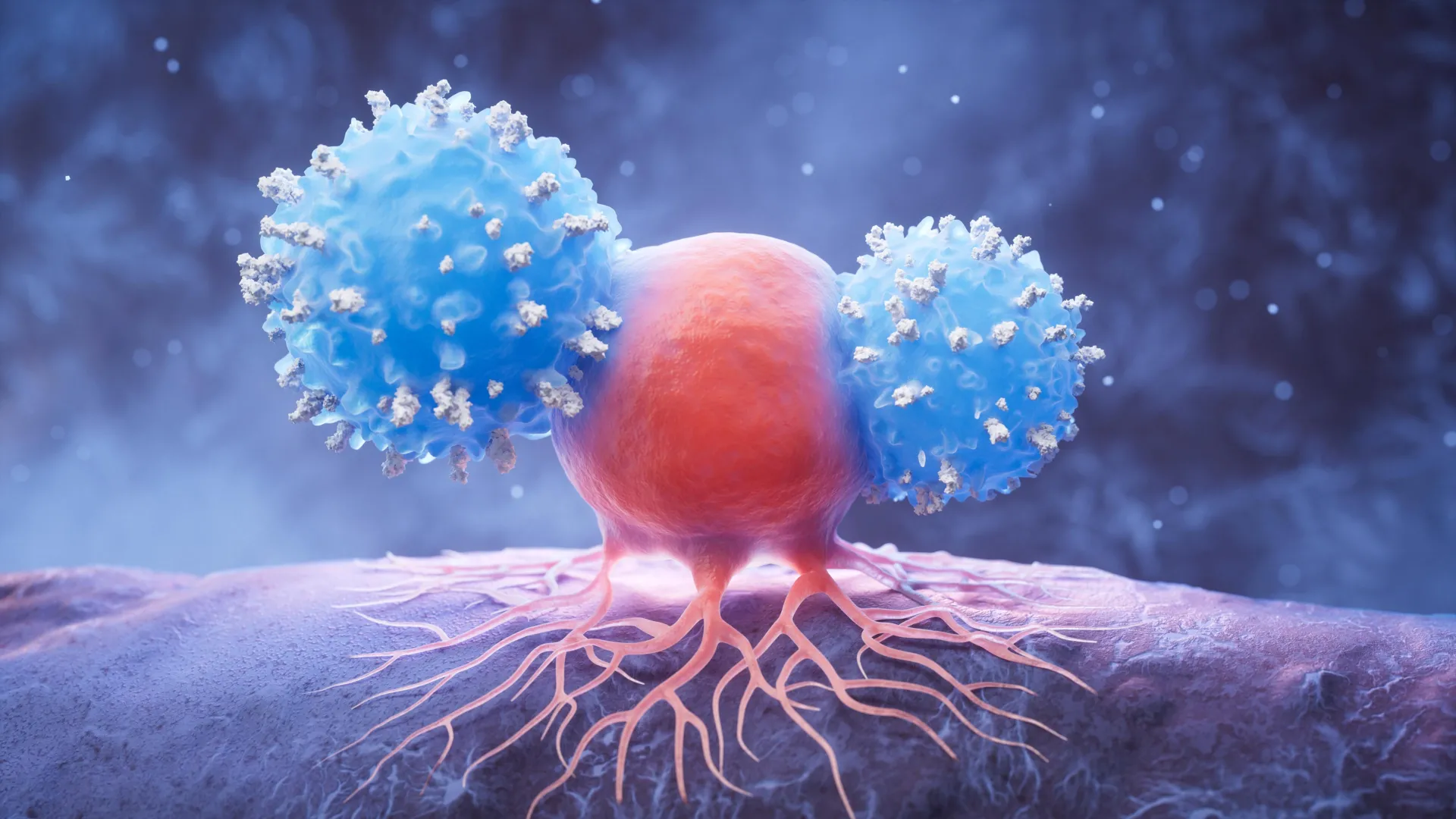
For months, Edward (Ed) Waldner, a 55-year-old from Calgary, experienced a pervasive sense of exhaustion that defied explanation. Even on days of minimal activity, a profound weariness clung to him. Initially, he speculated about potential culprits, including sleep apnea, and concurrently noticed subtle but concerning alterations in his gait, particularly a sensation of his heels dragging. These persistent, unsettling symptoms culminated in a visit to the Emergency Department, a decision driven by their escalating severity.
Upon examination, medical professionals identified a mass on his brain, necessitating an immediate consultation with an oncologist. The diagnosis was glioblastoma, a particularly aggressive and often fatal form of brain cancer. The standard treatment protocol for glioblastoma typically involves a multi-pronged approach: surgical resection to remove as much of the tumor as surgically feasible, followed by a rigorous regimen of radiation therapy and chemotherapy. Despite these advanced medical interventions, glioblastoma has a grim prognosis, with a high rate of recurrence.
A Novel Approach: Vitamin B3 in Glioblastoma Treatment
It was within this challenging medical landscape that researchers at the University of Calgary embarked on an investigation into a potentially groundbreaking adjunctive therapy: high doses of vitamin B3, also known as niacin. The aim of their study was to determine if niacin could enhance the efficacy of conventional glioblastoma treatments. Ed Waldner, a patient grappling with this formidable diagnosis, was invited to participate in the clinical trial, an opportunity he embraced with a dual motivation: to contribute to scientific advancement and to actively pursue his own recovery. "I have no problem trying to help anybody. I agreed. I want to help myself too," Waldner stated, reflecting on his decision. He further elaborated on the psychological impact of his participation, noting, "I can tell you being part of this research helps me mentally because we’re trying. When I left the hospital after surgery I was told, that’s it, that’s all we can do."
This pioneering research program is spearheaded by a collaborative team of distinguished scientists: Dr. Gloria Roldan Urgoiti, MD, a specialist in brain cancer, and Dr. Wee Yong, PhD, a neuroscientist whose expertise lies in the intricate interplay between the immune system and the brain. Both are affiliated with the prestigious Hotchkiss Brain Institute and the Arnie Charbonneau Cancer Institute at the University of Calgary. Their collective endeavor is focused on elucidating whether niacin can revitalize compromised immune cells, thereby empowering them to effectively target and eliminate tumor cells.
From Laboratory Bench to Clinical Trial: A Chronology of Discovery
The journey of this research began in Dr. Yong’s laboratory, where initial experiments were conducted using murine models. These preclinical studies yielded encouraging results, with niacin demonstrating an ability to extend survival rates in the mice. This promising preclinical data provided the impetus for the research team to advance their work into human trials, culminating in the launch of a Phase I and II clinical trial.
The rationale behind exploring niacin’s potential stems from a fundamental understanding of the body’s immune response to cancer. "Normally the immune system will try to counter and prevent tumor growth, however, this brain cancer suppresses the immune system," explained Dr. Yong, a professor at the Cumming School of Medicine (CSM). He further elaborated on the proposed mechanism of action: "Niacin treatment rejuvenates immune cells so they can do what they are supposed to do, attack and kill the cancer cells. I see it as an ongoing ‘battle for the brain’." This perspective underscores the critical role of the immune system in combating glioblastoma and highlights niacin’s potential as an immune-modulating agent.
The clinical trial was meticulously designed to achieve two primary objectives: to identify the maximum tolerated dose of controlled-release niacin when administered in conjunction with standard chemotherapy and radiotherapy, and to evaluate its potential therapeutic benefits. A critical benchmark was established prior to the commencement of the study. The trial was slated for termination if the progression-free survival rate at six months did not show an improvement of at least 20 percent compared to historical data from previous glioblastoma studies.
Early Findings: A Beacon of Hope
The early findings from the initial cohort of 24 patients enrolled in the trial have surpassed the predetermined benchmark, offering a significant glimmer of hope in the fight against glioblastoma. At the six-month mark, an impressive 82 percent of participants exhibited no signs of disease progression. This represents a substantial 28 percent improvement when juxtaposed with the outcomes observed in earlier studies, which historically reported significantly lower progression-free survival rates for glioblastoma patients receiving standard treatment alone. These results are particularly encouraging given the aggressive nature of glioblastoma and its historical resistance to therapeutic advancements.
"Glioblastoma is the most aggressive brain cancer in adults. Survival of patients with this condition hasn’t changed significantly for 20 years," commented Dr. Roldan Urgoiti, a clinical associate professor at the CSM. She emphasized the critical need for innovative approaches: "Anything that may help should be explored but it requires strict protocols and safety monitoring." Her statement underscores the urgency and importance of rigorous scientific investigation in addressing cancers with such dismal prognoses.
The detailed findings of this promising early-stage research have been formally published in the esteemed Journal of Neuro-Oncology, a peer-reviewed publication that serves as a vital platform for disseminating cutting-edge advancements in neuro-oncology.
Crucial Caveats and Future Directions
While the early results are undeniably encouraging, researchers are keen to emphasize the importance of caution and professional medical oversight. They stress that the administration of high doses of any vitamin, including niacin, carries inherent risks and can potentially lead to toxicity and adverse health effects if not meticulously monitored by qualified healthcare professionals. This cautionary note is crucial for public understanding, preventing misinterpretation of the findings as a standalone cure or a recommendation for self-medication.
The clinical trial remains ongoing, with the research team aiming to complete its final analysis upon the enrollment of 48 participants. This target is anticipated to be reached by the end of 2026 or early 2027. The subsequent comprehensive analysis will provide a more robust understanding of niacin’s efficacy and safety profile in combination with standard glioblastoma therapies.
A Personal Journey of Hope and Stability
For Ed Waldner, the journey through this clinical trial has been transformative. He reports feeling remarkably well in his current state. During his regular follow-up scans, the word he most gratefully receives from his medical team is "stable." This single word signifies a crucial absence of disease progression, a testament to the potential of innovative treatments and the dedication of the research community. His personal experience underscores the profound impact that participation in clinical research can have, not only on the advancement of medical science but also on the psychological well-being of patients facing life-threatening illnesses.
The research effort is generously supported by significant funding from the Canadian Institutes of Health Research and the Alberta Cancer Foundation, underscoring the national and provincial commitment to advancing cancer research and improving patient outcomes. This collaborative funding model highlights the recognition of glioblastoma as a critical public health challenge requiring sustained investment in innovative scientific inquiry.
Broader Implications and the Road Ahead
The implications of this research extend far beyond the individual patients participating in the trial. Glioblastoma accounts for approximately 15 percent of all primary brain tumors and has a median survival rate of only 15 months. The lack of significant improvement in survival rates over the past two decades has created an urgent need for novel therapeutic strategies. If further research validates these early findings, niacin could become a valuable addition to the therapeutic armamentarium for glioblastoma, potentially improving the quality of life and extending survival for a patient population with limited options.
The mechanism by which niacin appears to reawaken the immune system’s ability to combat glioblastoma is particularly compelling. By targeting the immunosuppressive microenvironment of the tumor, niacin may offer a way to overcome a major hurdle in current glioblastoma treatment. This approach aligns with a broader paradigm shift in cancer therapy, moving towards harnessing the patient’s own immune system to fight the disease.
The potential for niacin, a widely available and relatively inexpensive nutrient, to play a significant role in treating such a devastating cancer is a testament to the power of exploring existing compounds for new therapeutic applications. While it is crucial to avoid premature conclusions, the early success reported by the University of Calgary team provides a powerful impetus for continued investigation and offers a tangible source of hope for patients and their families worldwide who are affected by glioblastoma. The ongoing research, with its rigorous protocols and careful monitoring, promises to shed further light on this innovative approach and its potential to redefine the treatment landscape for this aggressive brain cancer.








