Johny Marice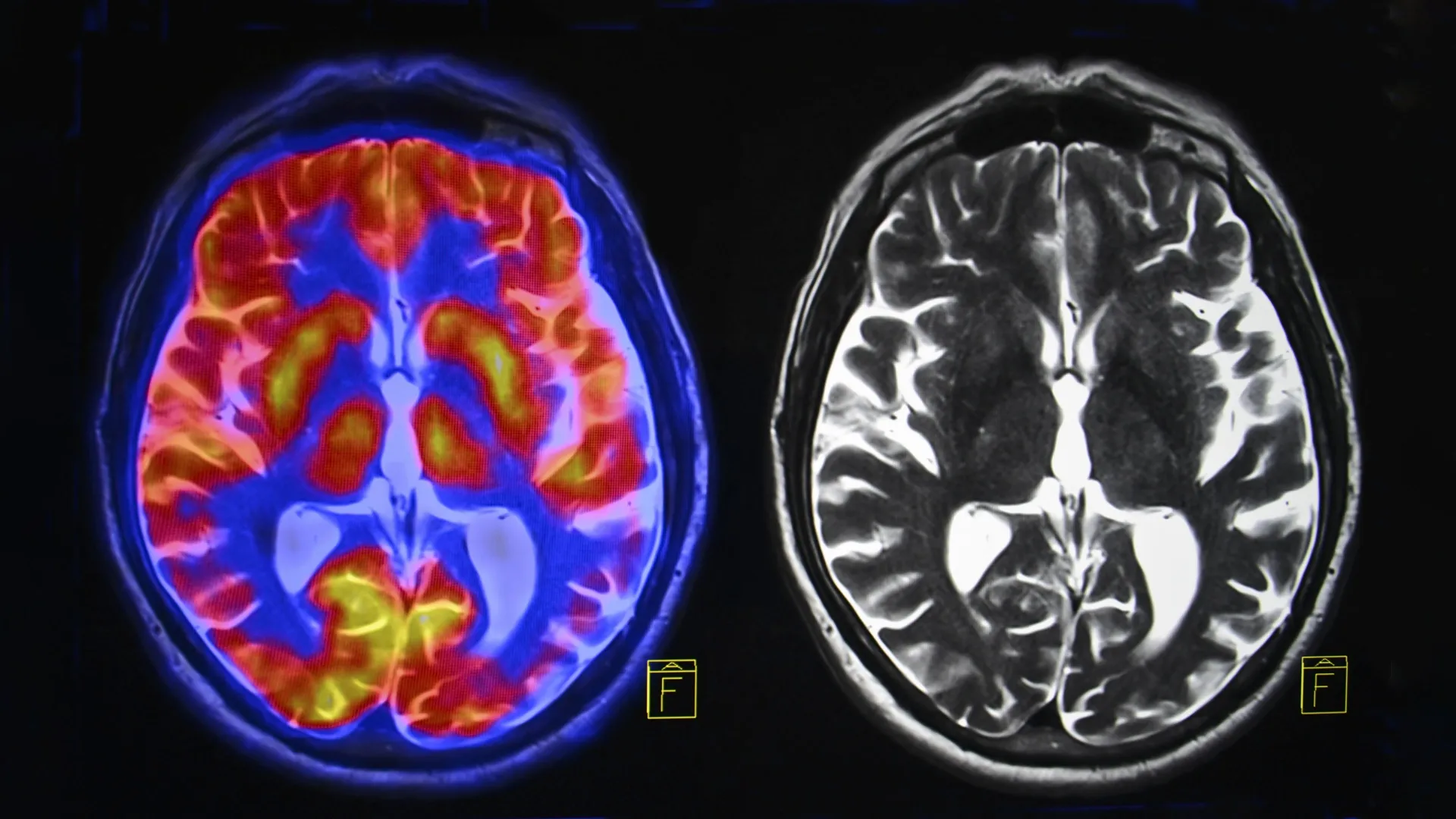
An international team of scientists has unveiled compelling evidence suggesting that autism, a complex neurodevelopmental condition, may not be a monolithic entity but rather encompasses at least two distinct biological subtypes. This groundbreaking discovery, detailed in the prestigious journal Nature Neuroscience, is rooted in the identification of differing patterns of communication across the brain. One subtype is characterized by unusually high levels of connectivity between brain regions, while the other exhibits reduced connectivity. The implications of this research are far-reaching, potentially revolutionizing approaches to autism diagnosis, care, and treatment by paving the way for more personalized interventions.
Unveiling Hidden Subtypes Through Brain Connectivity
The landmark study was a collaborative effort spearheaded by researchers from the Istituto Italiano di Tecnologia (IIT-Italian Institute of Technology) in Rovereto, Italy, and the Child Mind Institute in New York. Significant contributions also came from the University of Trento. This initiative represents the first large-scale endeavor to systematically correlate patterns observed in human brain imaging, specifically functional magnetic resonance imaging (fMRI), with their underlying biological causes, a feat achieved through the strategic use of meticulously studied mouse models. By forging a link between specific brain connectivity patterns and distinct molecular processes, the research lays a robust foundation for the future development of precision medicine strategies tailored to individuals with autism.
The research team undertook a comprehensive examination of functional brain connectivity. This involved analyzing data from 20 different mouse models engineered to exhibit characteristics relevant to autism spectrum disorder (ASD). Concurrently, they scrutinized brain scans from a substantial cohort of 940 children and young adults diagnosed with autism. These findings were then rigorously compared against brain scans from over 1,000 neurotypical individuals, establishing a crucial baseline for comparison.
The analytical process yielded the identification of two consistent and discernible autism subtypes. The first subtype was marked by what is known as hypoconnectivity, signifying reduced communication and information exchange between different brain regions. This pattern was found to be associated with synaptic pathways, the intricate junctions where neurons communicate. The second subtype, conversely, displayed hyperconnectivity, characterized by increased communication and signal transmission between brain regions. This pattern was found to be linked to immune-related biological systems. Collectively, these two identified subtypes accounted for approximately 25% of the individuals with autism included in the study, underscoring their significance in understanding the heterogeneity of the condition.
The Power of Mouse Models: A Biological Rosetta Stone
The integration of brain imaging data with detailed genetic and biochemical analyses in mice proved instrumental in deciphering the biological underpinnings of these connectivity patterns. This multi-modal approach allowed researchers to connect specific patterns of brain connectivity with observable changes at the cellular and molecular level. The study demonstrated how molecular mechanisms involving synapses, the fundamental units of neural communication, and the immune system can directly influence and produce distinct connectivity patterns that are detectable using fMRI technology. These pivotal findings enabled the team to establish definitive biological "reference signatures" in mice, which they could then use as a template to search for matching patterns within human brain scans.
Dr. Adriana Di Martino, MD, the founding director of the Autism Center at the Child Mind Institute and a lead researcher on the project, described the utility of the mouse models as a "biological ‘Rosetta Stone.’" This analogy powerfully illustrates how the well-understood biological mechanisms in mice provided the key to interpreting the more complex and less understood patterns in human brains. "We could see which biological pathways drive which connectivity signatures," Dr. Di Martino explained, "then search for those same patterns in humans." This translational approach is a cornerstone of modern neuroscience research, allowing for the exploration of complex biological questions in controlled experimental settings before applying those insights to human subjects.
Human Brain Imaging Validates Groundbreaking Findings
The human imaging data used in the study was drawn from the Autism Brain Imaging Data Exchange (ABIDE), a vital and expansive international neuroimaging initiative. Dr. Di Martino herself was a co-founder of ABIDE, an initiative that has aggregated invaluable datasets from numerous research centers across the globe, along with data from the Child Mind Institute. The sheer scale and diversity of the ABIDE repository were crucial for the robustness and generalizability of the study’s findings.
Upon analyzing this extensive human dataset, the researchers were able to confirm the presence of the very same hyperconnectivity and hypoconnectivity patterns that had been identified in the mouse models. This independent validation in human subjects lent significant weight to the study’s conclusions.
Further strengthening these findings were additional gene expression analyses. Brain regions associated with hypoconnectivity in individuals with autism consistently showed an enrichment of synaptic genes, directly aligning with the observed association with synaptic pathways in the mouse models. Conversely, hyperconnected regions were found to be enriched for immune-related genes, mirroring the link to immune systems identified in the animal studies. These results provided compelling molecular evidence that the connectivity patterns observed in human brains were indeed driven by the same fundamental biological mechanisms elucidated in the mouse models.
Crucially, the identified subtypes appeared consistently across multiple independent datasets within the ABIDE repository. This reproducibility across diverse research sites and participant groups is a critical indicator of the reliability and robustness of the findings. Dr. Alessandro Gozzi, PhD, director of the Center for Neuroscience and Cognitive Systems (CNCS) at IIT and another lead researcher, emphasized this point: "Finding the same subtypes reproducible across dozens of independent research sites was critical validation." This rigorous validation process increases confidence in the discovery and its potential for clinical application.
Towards a New Era of Personalized Autism Care
Beyond the fundamental biological distinctions, the two identified subtypes also exhibited subtle differences in their overall brain organization and showed modest variations in standard autism assessments. Individuals categorized within the hyperconnectivity group tended to score somewhat higher on measures of autism severity, suggesting a potential link between this specific connectivity pattern and certain clinical presentations of the condition.
"Brain-based biological markers reveal distinctions that current behavioral assessments don’t fully capture," noted Dr. Di Martino, highlighting the limitations of relying solely on behavioral observation for understanding the complexities of autism. This new research suggests that neurobiological markers could offer a more nuanced and precise way to characterize individual differences within the autism spectrum.
The researchers are, however, cautious and realistic about the scope of their findings. They emphasize that these two connectivity patterns likely represent only a portion of the vast biological diversity that underlies autism. As larger datasets become available and analytical methodologies continue to evolve and improve, it is highly probable that additional subtypes will be identified, further refining our understanding of this complex condition.
This research was made possible through substantial international collaboration and funding from leading scientific organizations. The project was coordinated by the Italian Institute of Technology and the Child Mind Institute. Funding was generously provided by the Simons Foundation Autism Research Initiative, the European Research Council through the #DISCONN and #BRAINAMICS projects, the Brain and Behavior Foundation, Fondazione Telethon, and the US National Institute of Mental Health. Such broad support underscores the global scientific community’s recognition of the importance of understanding the biological heterogeneity of autism.
Broader Implications and Future Directions
The discovery of distinct biological subtypes of autism holds immense promise for transforming the landscape of autism diagnosis and treatment. Traditionally, autism has been diagnosed based on observable behavioral characteristics, which can vary widely from one individual to another. This new research offers the potential to move beyond purely behavioral classifications towards a more biologically informed approach.
Implications for Diagnosis: Identifying these subtypes could lead to the development of more objective diagnostic tools. Instead of relying solely on behavioral checklists, clinicians might be able to use neuroimaging techniques to identify an individual’s specific subtype, leading to a more precise and early diagnosis. This could be particularly beneficial for very young children or individuals who have difficulty with verbal communication, where behavioral assessments can be challenging.
Tailored Treatment Strategies: Perhaps the most significant implication lies in the realm of personalized treatment. If individuals can be reliably classified into subtypes based on their brain connectivity patterns, therapeutic interventions could be tailored to address the specific biological mechanisms driving their autism. For instance, treatments targeting synaptic function might be more effective for individuals with hypoconnectivity, while those focusing on immune modulation could be more beneficial for individuals with hyperconnectivity. This personalized approach could lead to more effective interventions with fewer side effects, optimizing outcomes for individuals with autism.
Advancing Research: This research also provides a powerful framework for future scientific inquiry. By understanding the distinct biological pathways associated with each subtype, researchers can design more targeted studies to investigate the specific genetic, molecular, and environmental factors that contribute to each subtype. This could accelerate the pace of discovery and lead to a deeper understanding of the etiology of autism.
Challenges and Future Research: Despite the excitement surrounding this discovery, several challenges remain. The identified subtypes accounted for only about 25% of the study population, indicating that other biological mechanisms are at play. Future research will need to explore larger and more diverse datasets to identify additional subtypes and understand the full spectrum of biological variation in autism. Furthermore, translating these findings from research settings to clinical practice will require significant effort, including the development of standardized protocols for brain imaging analysis and the validation of these subtypes in real-world clinical populations.
The journey towards a comprehensive understanding of autism is ongoing, but this latest discovery marks a pivotal step forward. By revealing the potential for distinct biological subtypes, this research offers a beacon of hope for more precise diagnosis, more effective treatments, and ultimately, improved quality of life for individuals on the autism spectrum and their families. The scientific community’s commitment to collaborative, multi-disciplinary research, as exemplified by this study, is crucial for unlocking the complexities of neurodevelopmental conditions and translating scientific breakthroughs into tangible benefits for human health.