Johny Marice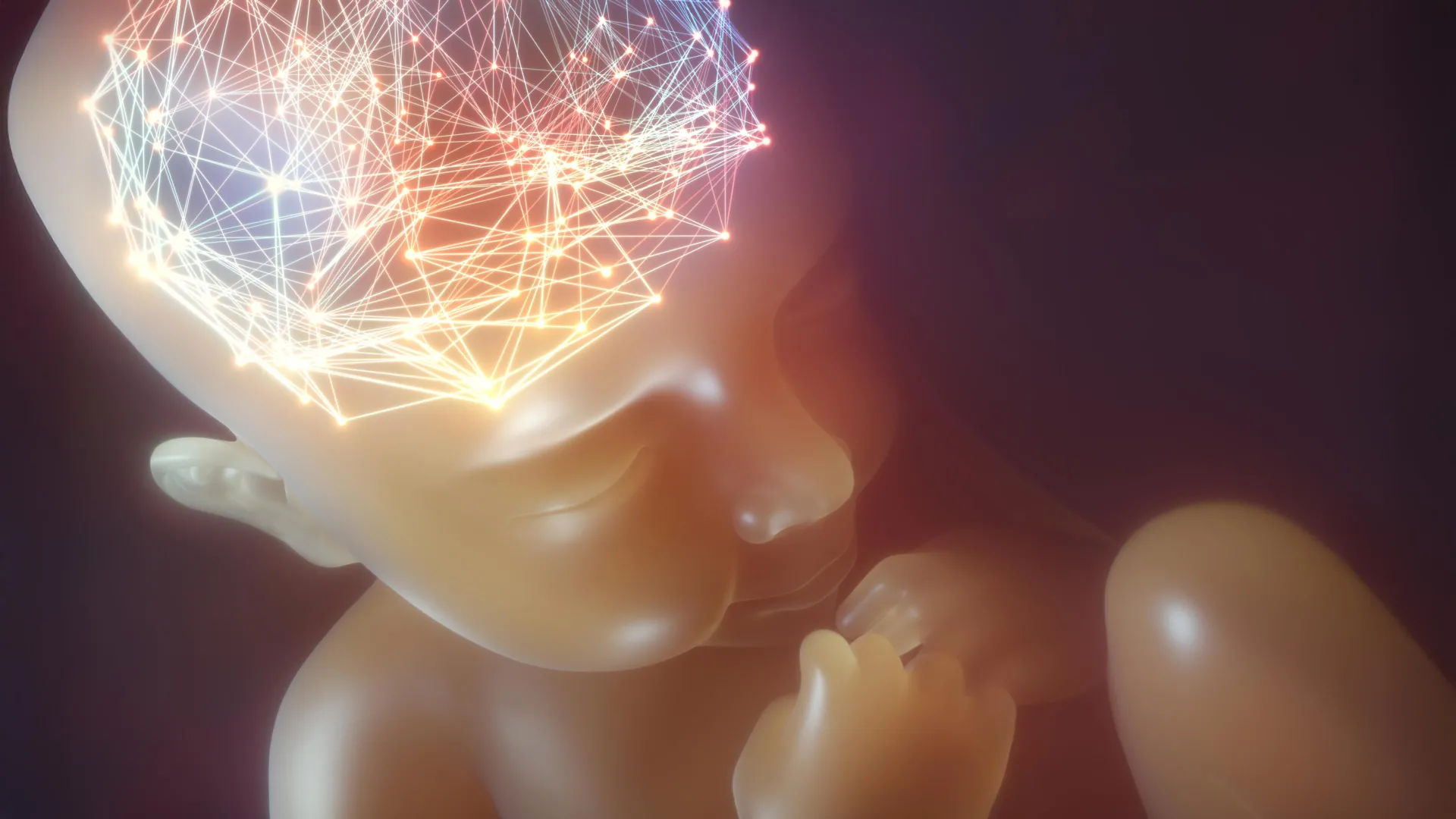
A groundbreaking scientific discovery has illuminated a profound and previously underappreciated connection between the very first biological programming of a newborn, the intricate ecosystem of their gut microbiome, and the trajectory of their brain development throughout infancy and early childhood. This research, meticulously detailed in a recent publication in Cell Press Blue, offers compelling evidence that epigenetic modifications present at birth can act as a foundational influence on the subsequent establishment and evolution of gut bacteria. Furthermore, the study has identified specific epigenetic signatures that, when intertwined with particular gut microbes, are demonstrably linked to early indicators of Autism Spectrum Disorder (ASD) and Attention-Deficit/Hyperactivity Disorder (ADHD) by the crucial developmental milestone of three years of age.
This pioneering work, conducted by a multidisciplinary team at The Chinese University of Hong Kong, suggests a dynamic interplay where the body’s innate genetic "on-off" switches, established before or at birth, can pre-dispose infants to certain developmental pathways, while simultaneously, the microbial communities colonizing their nascent digestive systems possess the capacity to modulate these predispositions. This intricate dialogue between the epigenome and the microbiome opens up exciting avenues for understanding and potentially intervening in the complex origins of neurodevelopmental conditions.
The Critical Interplay of Epigenetics and Gut Flora in Early Life
The initial years of a child’s existence are a period of unparalleled biological transformation, characterized by rapid brain maturation and the vigorous development of the immune system. While prior scientific endeavors have independently underscored the significant, long-term health implications of both epigenetic regulation and the gut microbiome, the precise mechanisms by which these two powerful biological forces interact during this formative period have remained largely enigmatic.
"Our central question was to explore the interplay between the epigenome and the microbiome in early life and to ascertain if their interaction could potentially influence a child’s susceptibility to developing neurodevelopmental conditions such as ASD and ADHD," explained Professor Hein Min Tun, a public health researcher and co-senior author of the study. "What we discovered was akin to a sophisticated biological conversation. The epigenetic landscape of a baby at birth can indeed confer a certain risk profile for neurodevelopmental disorders. However, the presence of specific beneficial bacteria within their gut microbiome appears to possess the remarkable ability to step in and actively modify this inherent risk."
This paradigm-shifting finding suggests that the biological destiny of a child is not rigidly fixed at conception or birth, but rather is subject to ongoing negotiation between their internal genetic blueprint and the external microbial influences they encounter. The implications for future preventative and therapeutic strategies are substantial, pointing towards the possibility of leveraging these interactions to foster optimal neurodevelopment.
Methodological Rigor: Tracing the Biological Threads
To meticulously investigate this complex relationship, the research team embarked on a comprehensive longitudinal study. Their methodology involved the analysis of DNA methylation patterns, a well-established and common form of epigenetic modification, within umbilical cord blood samples collected from a cohort of 571 infants. This initial epigenetic snapshot was then cross-referenced with detailed gut microbiome profiles. These microbial samples were systematically collected from 969 infants at three critical time points: two months, six months, and twelve months of age. To further contextualize the infant microbiomes, samples were also obtained from the infants’ parents during the third trimester of pregnancy, providing insights into potential vertical transmission of microbes and the prenatal environment.
The study’s temporal scope extended to the children’s third birthday. At this crucial developmental juncture, researchers employed a validated behavioral questionnaire to comprehensively assess each child’s neurodevelopmental status. This assessment allowed for the identification of early signs consistent with ASD and ADHD. The crucial next step involved a sophisticated statistical analysis to correlate these developmental outcomes with the specific gut microbial compositions and the pre-existing epigenetic patterns identified at birth.
Unpacking the Influences on the Infant Microbiome
The study’s findings revealed a fascinating dichotomy in the factors influencing epigenetic patterns at birth versus the development of the infant microbiome. Several factors were found to be significantly associated with the epigenetic signatures present in the umbilical cord blood. These included the mode of delivery (vaginal versus Cesarean section), the duration of the pregnancy, the presence of older siblings in the household, and the incidence of maternal allergies. Notably, while parental gut microbiomes were analyzed, they did not appear to exert a direct influence on these specific birth-related epigenetic changes.
In contrast, the colonization and subsequent maturation of the infant’s gut microbiome were shaped by a distinct set of environmental and biological influences during the first year of life. Factors such as the mode of delivery, exposure to antibiotics (either prenatally or postnatally), the presence of older siblings, and the practice of breastfeeding all played a significant role in shaping the microbial community.
Of particular interest, infants born via Cesarean section exhibited discernible differences in their DNA methylation patterns across several genes that are critically involved in immune function and brain development. This finding suggests that the birth process itself, beyond the initial epigenetic programming, can initiate distinct biological pathways that impact early development.
A Symbiotic Dance: Gene Regulation and Gut Bacteria
A cornerstone of this research is the revelation that the epigenetic patterns established at birth actively influence the trajectory of the infant gut microbiome’s evolution throughout the first year of life. The study demonstrated a significant correlation: infants who presented with higher levels of DNA methylation in specific immune-related genes tended to develop less diverse gut microbiomes by the age of 12 months. These particular genes are instrumental in the body’s innate ability to recognize and mount an effective response against invading pathogens.
This observation provides compelling evidence for a biological signaling mechanism originating from the host’s epigenetic state at birth, which appears to guide and shape the composition and diversity of the microbial communities that colonize the infant’s gut. This proactive role of the host’s epigenome in microbial colonization underscores the intricate and early-onset nature of this host-microbe relationship.
Microbial Allies and Neurodevelopmental Risk Mitigation
When the researchers meticulously analyzed the behavioral outcomes observed at 36 months of age, a clear association emerged between the presence of early indicators of ASD and ADHD and specific combinations of epigenetic markers and gut microbial profiles. This finding reinforces the notion that a delicate balance within both the epigenetic landscape and the gut microbiome is crucial for healthy neurodevelopment.
However, the study’s most hopeful and potentially actionable discovery lies in the identification of a protective role played by certain beneficial bacteria. The data indicated that children who carried epigenetic patterns predisposed to ASD were paradoxically less likely to exhibit overt signs of the condition if they had successfully acquired the bacterium Lachnospira pectinoschiza during their infancy. Similarly, infants with epigenetic profiles associated with an increased risk of ADHD appeared to have a diminished likelihood of displaying ADHD symptoms if their gut microbiome was populated with Parabacteroides distasonis during their first year.
"The foundational architecture for robust brain health is established remarkably early, even extending into the prenatal period," emphasized Professor Tun. "However, it is crucial to convey that these findings do not imply that a child’s developmental trajectory is irrevocably set at birth. These are incredibly complex conditions with multifaceted origins, and we have only managed to illuminate a small, albeit significant, piece of an expansive biological puzzle."
Future Horizons: Probiotics and Brain Health Interventions
The research team is committed to continuing their long-term follow-up of the participating children. This ongoing observation is vital for a deeper understanding of how these early-life epigenetic patterns and the evolving microbiome continue to influence health outcomes throughout childhood and potentially into adolescence. The scientists also stressed the indispensable need for further laboratory-based studies, such as in vitro experiments and animal models, to definitively confirm the observed causal relationships between specific gut bacteria and their direct impact on neurodevelopment.
"Our ultimate aspiration is to translate these fundamental scientific insights into tangible, safe, and non-invasive early intervention strategies," stated Dr. Siew Chien Ng, a gastroenterologist and the study’s first author. "We envision the development of precisely targeted probiotics or novel live biotherapeutic products. Such interventions could potentially be instrumental in nurturing a healthy and resilient gut microbiome, thereby offering a promising avenue to mitigate the risk of neurodevelopmental challenges in vulnerable infants."
This groundbreaking research was generously supported by funding from InnoHK, the Government of Hong Kong, the D. H. Chen Foundation, and the New Cornerstone Science Foundation, underscoring the collaborative and well-supported nature of this critical scientific endeavor. The findings represent a significant leap forward in our comprehension of the intricate biological symphony that orchestrates early human development, offering a beacon of hope for future interventions aimed at promoting optimal brain health for all children.