Johny Marice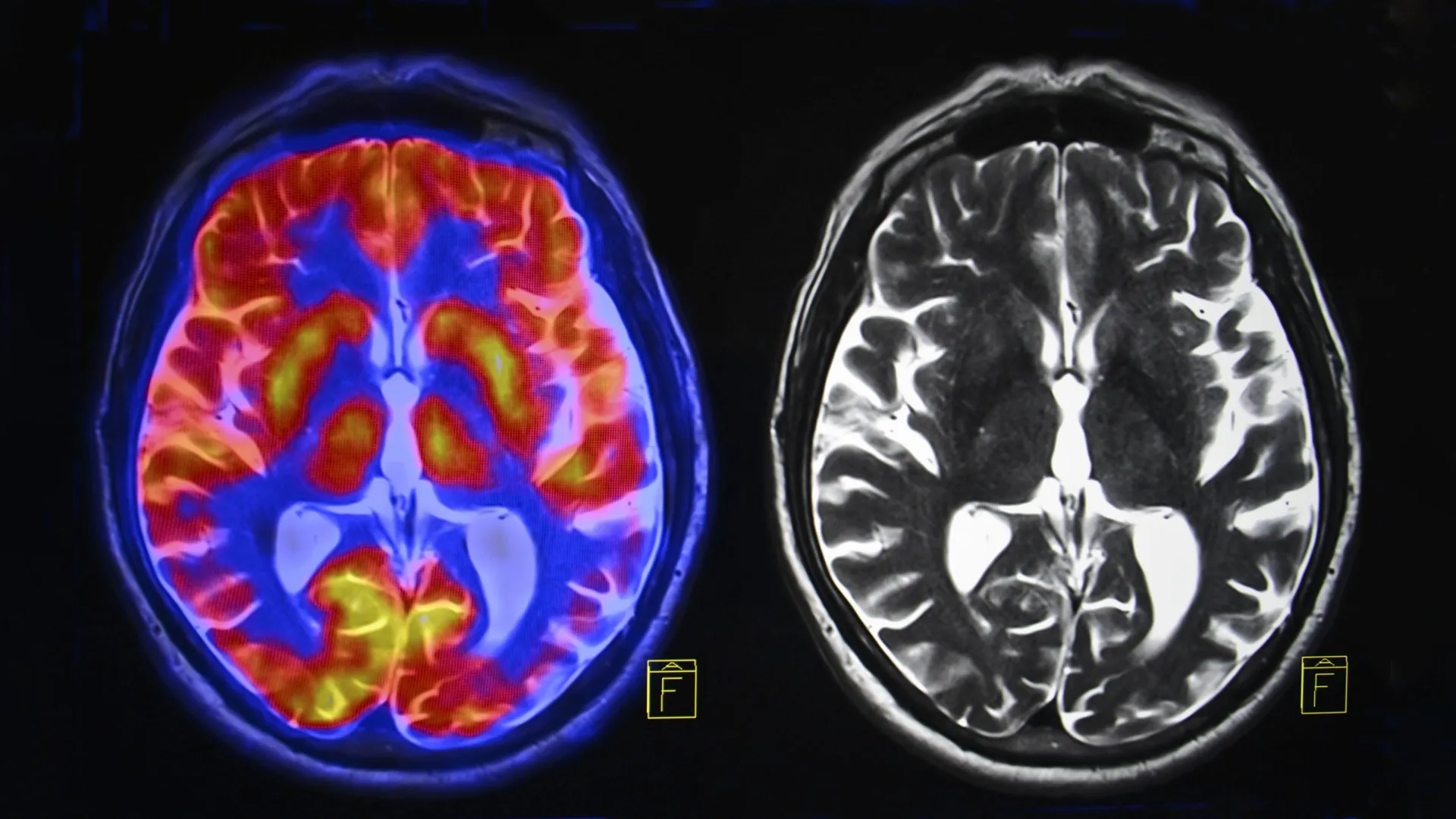
An international consortium of scientists has unveiled compelling evidence suggesting that autism spectrum disorder (ASD) is not a monolithic condition but rather encompasses at least two discernible biological subtypes. These subtypes are characterized by fundamentally different patterns of communication between various regions of the brain. One subtype exhibits unusually heightened connectivity, a phenomenon known as hyperconnectivity, while the other displays diminished communication, termed hypoconnectivity. This groundbreaking discovery holds the potential to revolutionize the diagnostic process, care, and therapeutic interventions for individuals with autism, paving the way for highly personalized approaches.
Unraveling the Biological Basis of Autism Heterogeneity
The pivotal research was spearheaded by a collaborative effort involving the Istituto Italiano di Tecnologia (IIT-Italian Institute of Technology) in Rovereto, Italy, and the Child Mind Institute in New York. Significant contributions also came from the University of Trento. The comprehensive findings of this study were formally published in the esteemed scientific journal Nature Neuroscience, marking a significant milestone in autism research.
The study’s coordination was expertly managed by Alessandro Gozzi, PhD, director of the Center for Neuroscience and Cognitive Systems (CNCS) at IIT, and Adriana Di Martino, MD, the founding director of the Autism Center at the Child Mind Institute. Their joint leadership brought together diverse expertise in neuroscience, imaging, and clinical research.
According to the researchers, this endeavor represents the first large-scale, systematic attempt to directly correlate observable patterns in human brain imaging, specifically functional magnetic resonance imaging (fMRI), with their underlying biological causes. Crucially, this was achieved through the innovative use of carefully selected mouse models. By establishing a clear link between specific brain connectivity patterns and distinct molecular processes within these animal models, the study has laid a robust foundation for the future development of precision medicine strategies tailored to autism.
Methodological Innovations: Bridging Mouse Models and Human Data
The rigorous methodology employed in this study involved an in-depth examination of functional brain connectivity across 20 different mouse models of autism. Simultaneously, the team meticulously analyzed brain scans from a substantial cohort of 940 children and young adults diagnosed with autism. These comprehensive datasets were then juxtaposed with scans from over 1,000 neurotypical individuals, providing a critical baseline for comparison.
The extensive analysis yielded the identification of two consistent and distinct autism subtypes. The first subtype, characterized by reduced communication between brain regions, was identified as hypoconnectivity. This pattern was found to be associated with specific synaptic pathways, which are the junctions between nerve cells where information is transmitted. The second subtype, conversely, demonstrated increased communication between brain regions, termed hyperconnectivity. This pattern was linked to biological systems involved in the immune response. Collectively, these two identified subtypes accounted for approximately 25% of the individuals with autism who were included in the study.
Expert Perspectives: A New Era of Understanding
Dr. Alessandro Gozzi, speaking from the Italian Institute of Technology, emphasized the long-standing challenge of understanding autism’s variability. "For decades, we’ve observed tremendous variability in how autism manifests, but we lacked direct evidence that these differences reflected distinct underlying biology," he stated. "Our approach enabled us to isolate specific genetic and immune factors, then translate those signatures to human brain scans, showing that different connectivity patterns encode different mechanistic pathways underlying autism." This sentiment underscores the transformative nature of the study’s findings, moving beyond descriptive observations to identify concrete biological underpinnings.
The Crucial Role of Mouse Models in Unlocking Biological Clues
The innovative integration of brain imaging data with genetic and biochemical analyses in mouse models proved instrumental in the study’s success. This approach allowed researchers to meticulously connect specific patterns of brain connectivity with observable changes occurring at the cellular and molecular levels.
Their investigations revealed precisely how molecular mechanisms involving synapses, the fundamental units of neuronal communication, and the immune system could collectively give rise to distinct connectivity patterns detectable through fMRI. These insights enabled the research team to establish robust biological reference signatures in mice. Subsequently, they were able to search for and identify matching patterns within human brain scans, effectively bridging the gap between preclinical and clinical research.
Dr. Adriana Di Martino, from the Child Mind Institute, eloquently described the value of the mouse models. "The mouse models gave us a biological ‘Rosetta Stone’," she explained. "We could see which biological pathways drive which connectivity signatures, then search for those same patterns in humans." This analogy powerfully illustrates how the mouse models served as a key to deciphering the complex biological language of autism in the human brain.
Human Brain Imaging: Validating the Subtype Discoveries
The human brain imaging data utilized in the study was primarily sourced from the Autism Brain Imaging Data Exchange (ABIDE). ABIDE is a monumental international neuroimaging initiative co-founded by Dr. Di Martino herself, which aggregates vast datasets from numerous research centers across the globe, in addition to data from the Child Mind Institute. This collaborative approach ensures the robustness and generalizability of the findings.
Upon meticulous analysis of the extensive human data, the researchers were able to confirm the presence of the same hyperconnectivity and hypoconnectivity patterns that had been initially identified in the mouse models. This replication across species provided a critical layer of validation for their discoveries.
Further strengthening the findings, additional gene expression analyses were conducted. These analyses revealed that brain regions associated with hypoconnectivity exhibited a significant enrichment of synaptic genes, aligning with the observed cellular mechanisms. Conversely, hyperconnected regions were found to be enriched for immune-related genes, mirroring the biological systems identified in the mouse studies. These molecular findings provided powerful corroboration of the connectivity patterns and their underlying biological substrates.
Critically, the identified subtypes were consistently observed across multiple independent datasets. This reproducibility across diverse research sites is a hallmark of rigorous scientific discovery and significantly enhances the confidence in the study’s conclusions. "Finding the same subtypes reproducible across dozens of independent research sites was critical validation," Dr. Gozzi reiterated, underscoring the robustness of their findings.
Implications for Personalized Autism Care and Future Directions
Beyond the fundamental biological distinctions, the two identified subtypes also exhibited subtle differences in overall brain organization and showed modest variations in standard autism assessments. Notably, individuals within the hyperconnectivity group tended to score somewhat higher on measures quantifying autism severity, suggesting a potential link between specific connectivity patterns and the clinical presentation of the disorder.
"Brain-based biological markers reveal distinctions that current behavioral assessments don’t fully capture," Dr. Di Martino observed, highlighting the diagnostic and clinical potential of these neuroimaging findings. This suggests that objective biological markers could complement existing behavioral diagnostic tools, leading to more nuanced and precise assessments.
However, the researchers themselves acknowledge the evolving nature of autism research and the limitations of current findings. They caution that these two connectivity patterns likely represent only a fraction of the overall biological diversity within the autism spectrum. The scientific community anticipates that as larger and more diverse datasets become available, and as analytical methodologies continue to advance, additional autism subtypes may be identified, further refining our understanding of this complex condition.
The collaborative framework of this research, coordinated by the Italian Institute of Technology and the Child Mind Institute, was made possible through significant financial support from a range of prestigious institutions. Funding was provided by the Simons Foundation Autism Research Initiative, the European Research Council through its #DISCONN and #BRAINAMICS projects, the Brain and Behavior Foundation, Fondazione Telethon, and the US National Institute of Mental Health. This multifaceted support underscores the global importance and collaborative spirit driving cutting-edge autism research.
The long-term implications of this research are profound. By identifying distinct biological subtypes, clinicians may be able to move away from a one-size-fits-all approach to autism intervention. This could lead to the development of targeted therapies that address the specific biological mechanisms driving an individual’s autism presentation. For example, therapies focused on enhancing synaptic function might be more beneficial for individuals with hypoconnectivity, while those targeting immune pathways could be more effective for individuals with hyperconnectivity.
Furthermore, this research could inform the development of more accurate and early diagnostic tools. By identifying brain connectivity patterns associated with specific subtypes, it may become possible to diagnose autism earlier and with greater precision, allowing for earlier intervention and support, which are known to be critical for positive developmental outcomes.
The journey from initial observation of autism’s heterogeneity to the identification of distinct biological subtypes has been a long and complex one, marked by decades of dedicated research across multiple disciplines. This latest study, with its innovative use of mouse models and large-scale human imaging data, represents a significant leap forward. It not only deepens our fundamental understanding of autism but also offers tangible hope for a future where diagnosis and treatment are precisely tailored to the individual, maximizing the potential for each person on the autism spectrum to thrive. The scientific community will undoubtedly continue to build upon these findings, pushing the boundaries of our knowledge and refining our ability to support individuals with autism and their families.