Nila Kartika Wati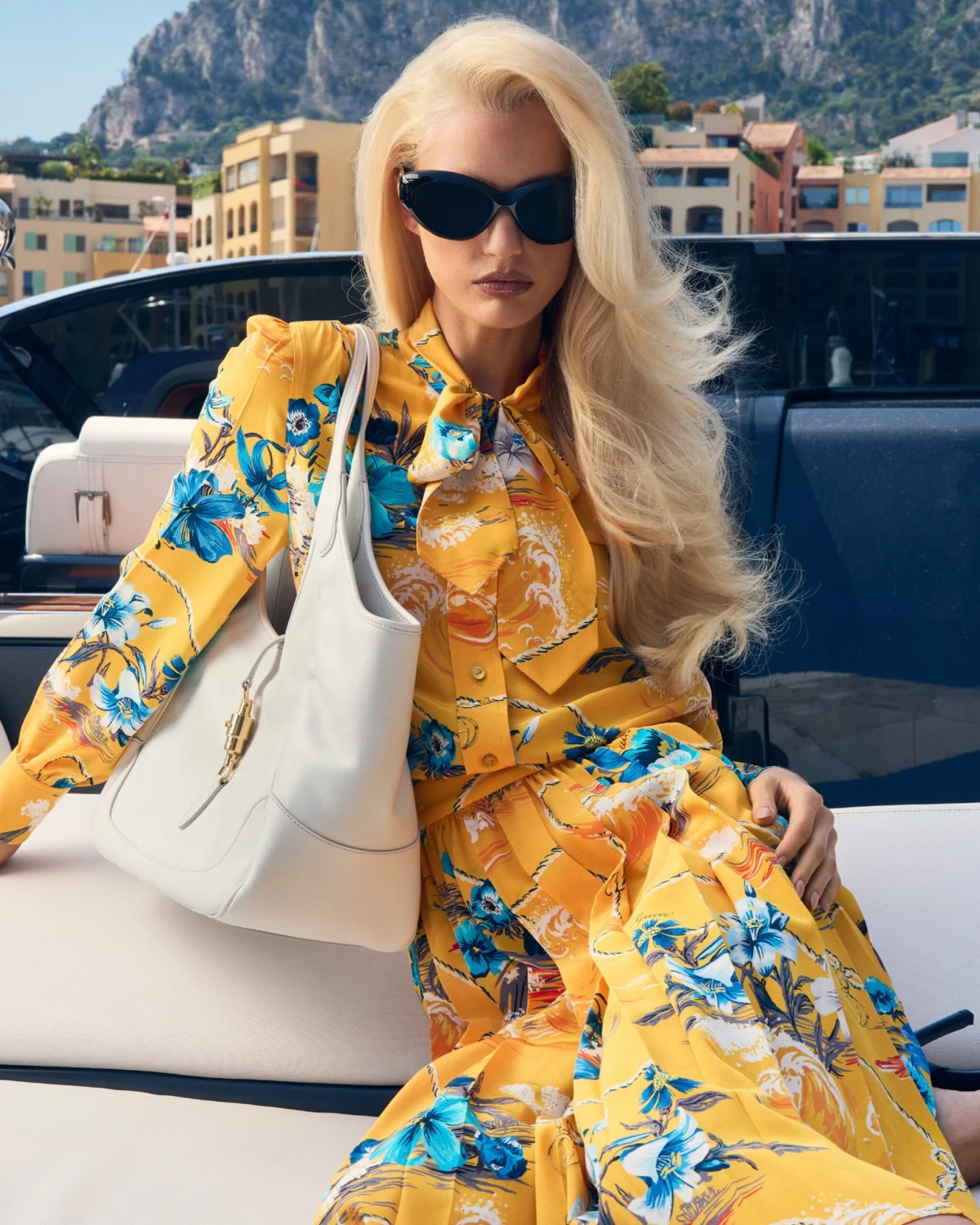
Mytheresa, Gucci, and Jacquemus have converged on Monaco for summer takeovers, a trend that has become a staple for the high-end fashion industry. Simultaneously, Burberry is establishing a presence in Athens, signaling a continued strategic focus on key global destinations during the lucrative summer season. As this "beach club era" for major luxury players enters its ninth year, brands are refining their approaches to captivate and convert affluent clientele. This evolution is underscored by insights from a conversation with MyTheresa’s new CEO, Francis Belin, who brings a wealth of experience from Christie’s, offering a unique perspective on the intersection of luxury retail and exclusive client engagement.
The Enduring Allure of Summer Destinations
The decision for luxury brands to orchestrate summer takeovers in prestigious locations is far from a new phenomenon. For nearly a decade, the strategy has revolved around leveraging the increased presence of high-net-worth individuals (HNWIs) in desirable vacation spots. These destinations, often characterized by opulent resorts, exclusive social scenes, and a heightened appetite for luxury experiences, provide a fertile ground for brands to connect with their target demographic outside of traditional retail environments.
Monaco, with its reputation for glamour, high-stakes events like the Grand Prix, and a consistent influx of global elite, has long been a prime target. The principality offers a concentrated audience of individuals with significant disposable income and a penchant for exclusivity. Gucci and Jacquemus, known for their aspirational appeal and strong brand identities, are no strangers to this market. Their presence in Monaco this summer signifies a continued commitment to reinforcing their brand image and driving sales within this critical segment.
Similarly, Burberry’s choice of Athens reflects a strategic diversification. While perhaps not as historically synonymous with the "beach club" scene as the French Riviera, Athens, particularly its coastal environs and islands, has seen a surge in luxury tourism. The city’s rich history, coupled with its growing appeal as a sophisticated cultural hub and a gateway to stunning Greek islands, offers a compelling backdrop for brands seeking to tap into a discerning international clientele. This move suggests a broader trend of exploring diverse, yet equally affluent, summer hotspots.
Evolving Tactics: Beyond Pop-Ups
The initial iterations of these summer activations often involved temporary pop-up stores or exclusive events. However, as the strategy matures, brands are demonstrating a greater sophistication in their approach, aiming for deeper and more immersive client engagement. The focus is shifting from mere transactional opportunities to cultivating lasting relationships and reinforcing brand loyalty.
MyTheresa’s Monaco Presence: Mytheresa, a leading online luxury fashion retailer, has established a significant presence in Monaco. This move is particularly noteworthy as it bridges the gap between the digital and physical realms. By creating a tangible, albeit temporary, brand experience in a high-traffic luxury destination, Mytheresa aims to enhance its visibility and offer a curated selection of its extensive collection to clients who are physically present. This strategy allows them to cater to impulse purchases, provide personalized styling services, and foster a more intimate connection with their clientele, complementing their robust online offering. The brand’s activation typically involves exclusive collections, private appointments, and events designed to immerse guests in the Mytheresa brand universe.
Gucci’s Immersive Experience: Gucci, under the creative direction of Sabato De Sarno, has been known for its ability to create highly curated and experiential brand moments. Their involvement in Monaco likely extends beyond a simple retail outpost. It is probable that Gucci is offering a unique blend of retail, hospitality, and exclusive experiences, potentially partnering with a high-end hotel or beach club. This could involve limited-edition products exclusive to the Monaco location, private viewings of upcoming collections, and bespoke styling sessions for their most valued clients. The aim is to solidify Gucci’s position as a lifestyle brand, offering more than just clothing, but an entire aspirational experience.
Jacquemus’s Chic Ambition: Simon Porte Jacquemus has built his brand on a foundation of playful luxury, a strong sense of place, and a distinct aesthetic. His brand’s presence in Monaco aligns perfectly with its image of effortless chic and Mediterranean allure. Jacquemus’s activations often emphasize a lifestyle component, integrating fashion with art, music, and a relaxed yet sophisticated ambiance. This could translate into a curated selection of their resort wear, iconic accessories, and perhaps exclusive collaborations or limited-edition pieces designed to capture the spirit of the Riviera. The brand’s approach is likely to be highly visual and experiential, designed to generate significant social media buzz and attract a younger, trend-conscious affluent demographic.
Burberry’s Athenian Debut: Burberry’s strategic expansion into Athens signifies a calculated move to tap into a different, yet equally valuable, luxury market. Greece, and particularly its islands, has seen a substantial rise in tourism from HNWIs in recent years, attracted by its natural beauty, historical significance, and growing luxury infrastructure. Burberry’s presence in Athens could take the form of a sophisticated boutique or a series of exclusive events hosted in partnership with luxury hotels or private residences. The brand’s focus on its iconic trench coats, signature check patterns, and contemporary ready-to-wear collections would resonate well with the sophisticated traveler. This move also allows Burberry to explore new cultural touchpoints and potentially forge deeper connections with clients in the Eastern Mediterranean region.
The Mytheresa CEO Perspective: Bridging Worlds
The appointment of Francis Belin as CEO of Mytheresa, a former executive from Christie’s, is a significant indicator of the evolving strategies within the luxury e-commerce space. Belin’s background in the auction house world, synonymous with high-value art, rare collectibles, and a deeply ingrained understanding of the ultra-wealthy client, offers a unique lens through which to view the future of luxury retail.
"My experience at Christie’s has ingrained in me the importance of cultivating deep, personal relationships with discerning clients," Belin might articulate in a hypothetical interview, drawing parallels between the art world and luxury fashion. "These are individuals who are not just buying products; they are investing in heritage, craftsmanship, and exclusivity. They expect a level of service that is both personalized and anticipatory."
Belin’s leadership at Mytheresa is likely to focus on further enhancing the platform’s curated offering, elevating its bespoke client services, and leveraging data analytics to understand and cater to the nuanced preferences of its high-net-worth customer base. The strategic decision to participate in physical activations like the one in Monaco, under his guidance, underscores a commitment to a hybrid retail model. This model aims to combine the convenience and vastness of online shopping with the tangible, experiential, and relationship-building opportunities of physical retail.
"The digital realm provides unparalleled reach and convenience," Belin could explain, "but the emotional connection, the tactile experience of luxury, and the opportunity for personal interaction remain critical. Our presence in Monaco is about offering a seamless extension of the Mytheresa experience, providing our clients with exclusive access and personalized attention in a setting that aligns with their lifestyle."
His insights are crucial in understanding how e-commerce giants are moving beyond their digital confines to engage with clients in a more holistic manner. This involves not just showcasing products, but creating an ecosystem of luxury that encompasses experiences, personalized advice, and exclusive access.
Data and Client Acquisition: A Sophisticated Approach
The success of these summer takeovers is underpinned by sophisticated data analytics and clienteling strategies. Luxury brands now possess a wealth of information about their clientele, including purchasing history, preferences, and lifestyle indicators. This data allows them to:
- Identify Key Markets: Understand which geographical locations attract their most valuable clients during specific times of the year. Monaco and the Greek Isles, for instance, are known for their concentration of HNWIs during the summer months.
- Personalize Offerings: Tailor product assortments, exclusive events, and communication strategies to resonate with the specific tastes and interests of the client segments present in these locations.
- Optimize Client Acquisition: Target individuals who exhibit behaviors and demographics consistent with high-spending luxury consumers. This could involve collaborations with luxury travel agencies, private jet companies, or exclusive concierge services.
- Measure ROI: Track the effectiveness of these activations through sales figures, client engagement metrics, and the acquisition of new high-value customers.
While specific sales figures for these individual activations are rarely disclosed by brands, the continued investment in such strategies year after year is a testament to their perceived profitability and effectiveness. The average spending power of individuals frequenting Monaco and luxury Greek destinations is exceptionally high, making these locations a logical focus for brands seeking to maximize their return on investment. For example, a recent report by Knight Frank indicated that the number of HNWIs globally is projected to grow, with a significant concentration in regions that are popular summer destinations.
Broader Implications for the Luxury Landscape
The enduring success of the luxury brand summer takeover strategy has several broader implications for the fashion industry:
- The Blurring of Online and Offline: As demonstrated by Mytheresa, the distinction between online and offline retail continues to erode. Brands are increasingly adopting a hybrid approach, leveraging physical spaces for experiential marketing and relationship building, while maintaining a strong digital presence for reach and convenience.
- The Importance of Experiential Retail: Consumers, particularly affluent ones, are seeking more than just products; they desire unique and memorable experiences. These summer activations provide an immersive brand environment that goes beyond traditional shopping.
- Geographic Diversification: While established hotspots like Monaco remain popular, brands are increasingly exploring new destinations that offer access to affluent clientele, as seen with Burberry in Athens. This reflects a dynamic understanding of global luxury consumption patterns.
- Clienteling as a Competitive Advantage: The ability to build and maintain deep, personalized relationships with clients is becoming a key differentiator. The strategies employed in these summer takeovers are designed to foster loyalty and create brand advocates.
- The Power of Exclusivity: In an increasingly accessible world, exclusivity remains a powerful draw for luxury consumers. Limited-edition products, private events, and personalized services all contribute to this sense of privilege and desirability.
As the "beach club era" of luxury fashion activations continues to evolve, brands are demonstrating a sophisticated understanding of their clientele and the evolving landscape of luxury consumption. The convergence of major players in iconic summer destinations, coupled with strategic leadership shifts like that at Mytheresa, signals a continued commitment to innovative client engagement and the enduring pursuit of capturing the attention and spending power of the global elite. The success of these initiatives will undoubtedly shape future strategies for luxury brands seeking to thrive in an increasingly competitive and experiential market.