Nila Kartika Wati
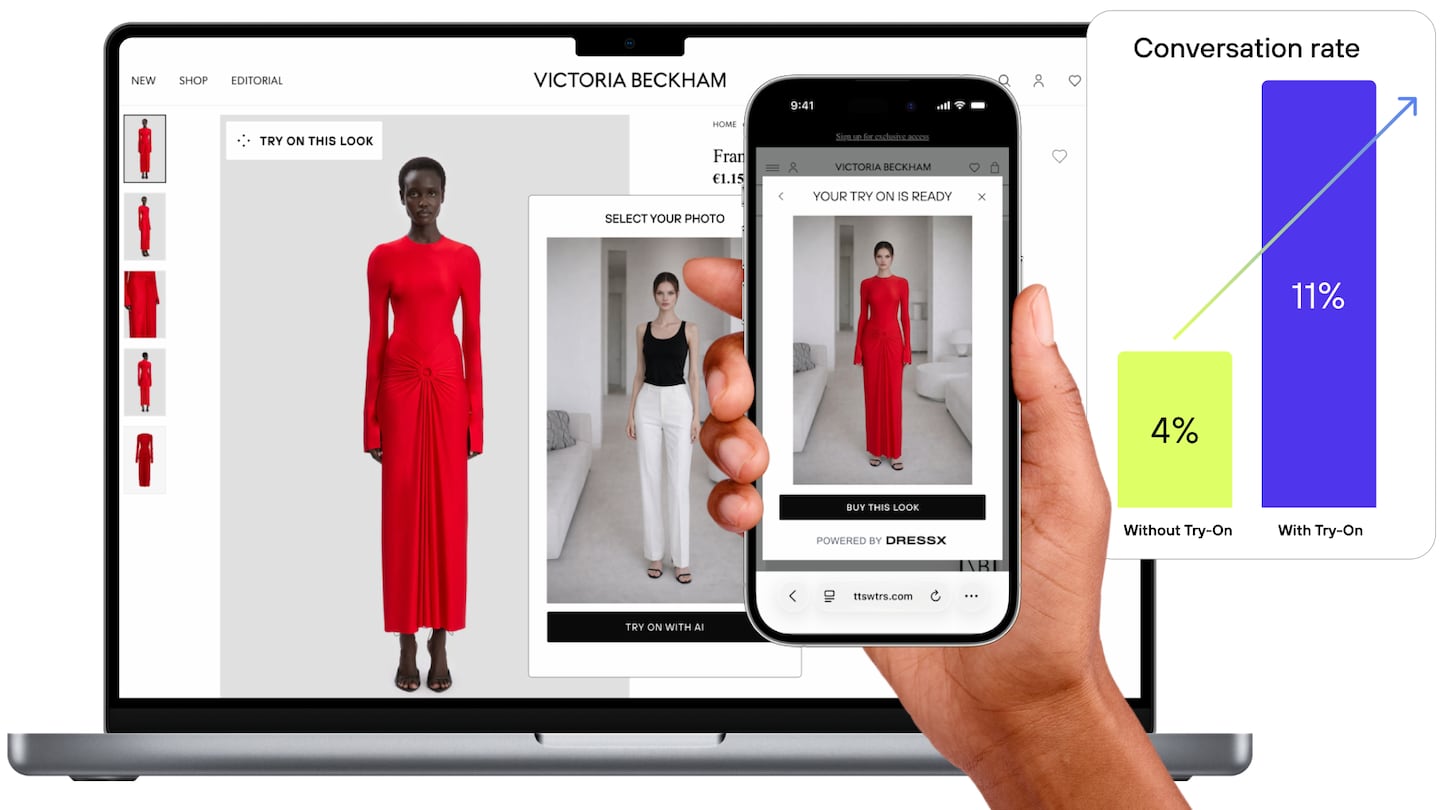
The burgeoning integration of artificial intelligence within the e-commerce landscape is reshaping consumer behaviour and driving significant shifts in purchasing patterns, particularly within the fashion sector. A recent intelligence report from DressX, a prominent digital fashion house, reveals a compelling correlation between shopper engagement with AI-powered virtual try-on (VTO) technology and increased purchase likelihood. The findings indicate that consumers who utilize VTO solutions are approximately 50 percent more inclined to complete a purchase overall. This uplift is amplified dramatically within the luxury market, where conversion rates for engaged users can surge by as much as tenfold. This analysis delves into the key insights presented by DressX, examining the underlying mechanics and broader implications of this technological advancement for online retail.
The Rise of Immersive Digital Shopping Experiences
The e-commerce market has experienced robust and consistent growth, with projections indicating continued expansion in the coming years. In Europe, annual growth is anticipated to range between 6 and 11 percent between 2022 and 2030, while the United States is expected to see a steady 7 percent growth over the same period. This sustained expansion underscores the increasing reliance on digital platforms for consumer goods. However, the online shopping experience, particularly for apparel and accessories, has historically faced challenges related to fit, style visualization, and the inherent inability for consumers to physically interact with products before purchase. These limitations have often led to higher return rates and a hesitancy to commit to purchases, especially for higher-value items.
Virtual try-on technology emerges as a direct solution to these persistent challenges. By leveraging AI and augmented reality, VTO platforms allow consumers to visualize how garments or accessories would appear on their own digital avatars or even superimposed onto their real-time image. This immersive experience bridges the gap between the digital and physical, offering a more tangible and reassuring pre-purchase assessment. DressX’s report, which analyzed user interactions and conversion data across various e-commerce platforms, provides quantifiable evidence of VTO’s efficacy.
Key Findings: Quantifying the Impact of AI Virtual Try-On
The core of DressX’s report lies in its data-driven conclusions regarding the impact of VTO on consumer purchasing decisions. The headline statistic – a 50 percent increase in overall purchase likelihood for shoppers engaging with VTO – suggests a fundamental shift in how consumers approach online shopping for fashion. This figure implies that the ability to virtually “try on” items not only reduces purchase anxiety but also actively encourages a greater propensity to buy.
The distinction drawn between the general e-commerce market and the luxury segment is particularly noteworthy. The tenfold increase in conversion rates among luxury consumers engaging with VTO is a powerful indicator of the technology’s value proposition for high-end brands. Luxury purchases are often characterized by a greater emphasis on perceived value, brand prestige, and the assurance of quality and fit. VTO technology can enhance this by offering a sophisticated and personalized visualization that mimics the curated experience of in-store luxury shopping. For instance, a consumer considering a designer handbag or a bespoke suit can gain a much clearer understanding of its scale, texture (through advanced rendering), and how it complements their personal style without the need for a physical visit.
Unpacking the Mechanics: Why VTO Drives Conversions
Several factors likely contribute to the significant uplift in conversion rates attributed to AI virtual try-on:
- Reduced Uncertainty and Increased Confidence: The primary driver is the mitigation of uncertainty. Consumers are less likely to abandon their carts when they have a clearer picture of how a product will look and fit. This increased confidence translates directly into higher conversion rates.
- Enhanced Personalization: Advanced VTO systems can be tailored to individual body shapes and sizes, offering a personalized fitting experience. This level of customization, previously only available in brick-and-mortar stores, is now accessible online, fostering a stronger connection between the consumer and the product.
- Engagement and Dwell Time: The interactive nature of VTO technology naturally increases user engagement and the time spent on a product page. Longer dwell times are often correlated with a higher intent to purchase, as consumers are actively exploring and evaluating their options.
- Emotional Connection: Visualizing oneself in an item of clothing can create an emotional connection that is harder to achieve through static images alone. This emotional resonance can be a powerful catalyst for purchase.
- Bridging the Gap for Luxury: For luxury goods, where investment is higher, the assurance of a perfect fit and a clear aesthetic match is paramount. VTO provides this assurance, making consumers more comfortable with significant online expenditures. The ability to see a high-value item on oneself, even virtually, can elevate the perceived value and justify the cost.
The Role of DressX and the Digital Fashion Ecosystem
DressX, as a platform that champions digital fashion and virtual experiences, is uniquely positioned to observe and report on these trends. The company has been at the forefront of developing and integrating VTO solutions, working with numerous brands to enhance their online offerings. Their partnerships, which have included collaborations with established fashion houses like Victoria Beckham, demonstrate a commitment to pushing the boundaries of digital retail. The image accompanying the report, showcasing DressX’s interface for Victoria Beckham’s direct-to-consumer (DTC) channel, illustrates the sophisticated visual fidelity achievable with these technologies. This suggests that the VTO experience is not merely functional but also aesthetically pleasing, aligning with the brand image of the fashion labels involved.
The growth of digital fashion and the metaverse has created a fertile ground for VTO technology. As consumers become more accustomed to digital identities and virtual interactions, the demand for realistic and functional digital apparel is increasing. VTO serves as a crucial bridge, allowing consumers to seamlessly transition between their physical and digital selves and to make informed decisions about their virtual wardrobes.
Broader Implications for the Fashion Industry
The insights from DressX’s report carry significant implications for the entire fashion industry:
- Investment in VTO Technology: Brands, especially those operating in the DTC space and catering to a digitally savvy consumer base, will likely increase their investment in VTO solutions. This includes not only implementing existing technologies but also exploring advancements in AI for more accurate sizing, realistic fabric simulation, and diverse avatar representation.
- Reduced Return Rates: A key challenge for online fashion retailers is the high rate of product returns, often due to poor fit or unmet expectations. By improving the pre-purchase visualization, VTO has the potential to significantly reduce return rates, leading to cost savings and improved operational efficiency.
- Enhanced Customer Experience: VTO technology offers a more engaging and satisfying online shopping experience. This can lead to increased customer loyalty and positive brand perception.
- Data Collection and Personalization: VTO platforms generate valuable data on consumer preferences, body types, and styling choices. This data can be leveraged by brands for hyper-personalization of marketing campaigns, product recommendations, and even future product development.
- The Future of Retail: The success of VTO points towards a future where the lines between physical and digital retail become increasingly blurred. Online stores may become more experiential, integrating immersive technologies to replicate or even surpass the benefits of in-store shopping.
Looking Ahead: Challenges and Opportunities
While the findings are overwhelmingly positive, the widespread adoption of VTO technology is not without its challenges. Ensuring accuracy in virtual fitting across a diverse range of body types and garment complexities remains an ongoing area of development. The computational power required for realistic rendering and real-time simulation can also be a barrier for some businesses.
However, the opportunities presented by AI virtual try-on are immense. As the technology matures and becomes more accessible, it is poised to become an indispensable tool for online fashion retailers. The ability to offer a more confident, personalized, and engaging shopping experience will be a key differentiator in an increasingly competitive digital marketplace. The DressX report serves as a powerful testament to the transformative potential of AI in revolutionizing how consumers interact with and purchase fashion online, ushering in a new era of immersive and data-driven retail.