Nila Kartika Wati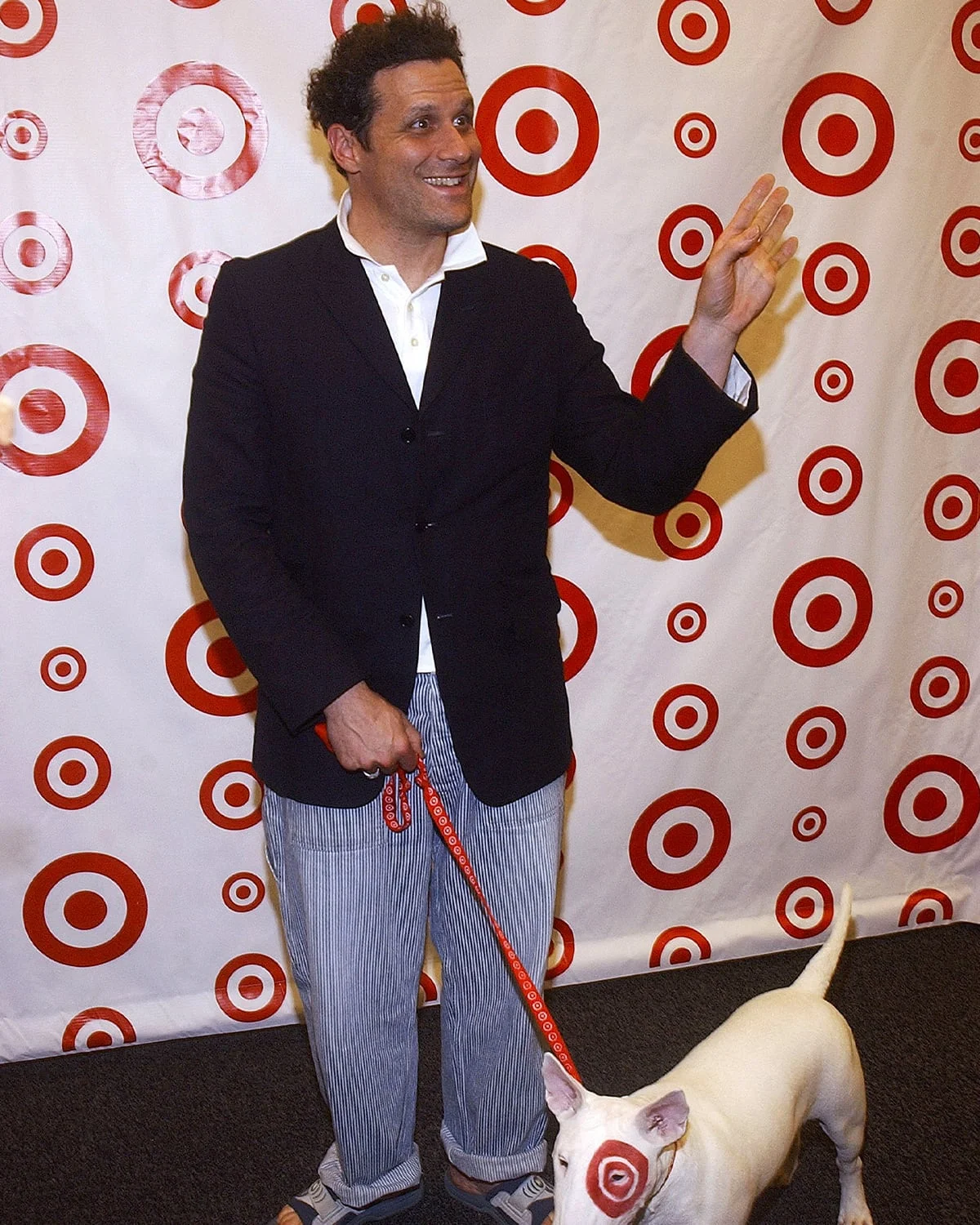
This week, the retail giant Target announced the highly anticipated return of acclaimed designer Isaac Mizrahi as Creative Director at Large. This move marks a significant strategic pivot for the big-box retailer, signaling a potential revival of its flagging apparel division by leveraging the creative vision of the designer who, over two decades ago, helped define the era of accessible designer collaborations. The question now is whether Mizrahi’s renewed involvement can reignite consumer demand for Target’s fashion offerings, which have faced increasing competition and evolving consumer tastes.
A Nostalgic Return with Future-Forward Implications
Mizrahi’s initial partnership with Target in the early 2000s was a groundbreaking moment in retail history. He was instrumental in launching "designer for all," a concept that democratized high fashion and made it attainable for a broader consumer base. His collections for Target were characterized by bold prints, vibrant colors, and a playful, yet sophisticated, aesthetic that resonated deeply with shoppers. The "Tar-zhay" era, as it became colloquially known, cemented Target’s reputation as a destination for stylish and affordable fashion, setting a precedent for numerous other retailers to follow suit.
The timing of Mizrahi’s return is particularly noteworthy. Target’s apparel sales have been a subject of scrutiny in recent years. While the company has seen overall growth, its clothing and accessories segments have experienced periods of stagnation and decline, particularly in comparison to its more robust home goods and essentials categories. In its most recent quarterly earnings report, Target indicated that its apparel category faced headwinds, with comparable sales in the segment experiencing a modest decline. Analysts attribute this to several factors, including increased competition from online retailers and fast-fashion brands, a general shift in consumer spending priorities, and the need for a more dynamic and trend-responsive fashion offering.
The Genesis of an Era: Mizrahi’s Original Impact
To understand the significance of Mizrahi’s reappointment, it is essential to recall the impact of his initial collaboration. In 2003, Target embarked on a bold strategy to shake up the fashion landscape by partnering with established designers. Isaac Mizrahi, already a celebrated figure in the fashion world known for his innovative designs and sharp wit, was among the first to join this initiative. His collections for Target were not mere merchandise; they were events. Limited-edition drops sold out within hours, creating a frenzy among shoppers eager to snag a piece of designer fashion at an accessible price point.
This collaboration did more than just boost sales; it fundamentally altered consumer perceptions of mass-market retail. It demonstrated that affordability did not have to come at the expense of style or quality. The success of Mizrahi’s collections paved the way for Target’s subsequent designer collaborations with brands and individuals like Missoni, Lilly Pulitzer, and Jason Wu, solidifying its position as a fashion-forward destination. The "Isaac Mizrahi for Target" line became a cultural phenomenon, influencing fashion trends and consumer purchasing habits for years to come. Data from that period suggests a significant uplift in Target’s apparel market share during the peak of these designer partnerships, with some reports indicating a double-digit increase in fashion-related sales attributed to these exclusive collections.
Navigating the Evolving Retail Landscape
The retail environment of the early 2000s is vastly different from today’s. The rise of e-commerce, the proliferation of social media influencers, and the increasing demand for sustainability and ethical production have fundamentally reshaped consumer behavior and expectations. Fast-fashion giants like Shein and Temu have captured a significant market share by offering ultra-low prices and rapidly changing inventories, setting a new benchmark for speed and affordability.
In this hyper-competitive landscape, Mizrahi’s return presents Target with a dual opportunity: to tap into the nostalgia associated with his original collections and to leverage his creative expertise to develop a forward-looking fashion strategy. His role as Creative Director at Large suggests a broad mandate, potentially encompassing not just the design of specific collections but also the overall aesthetic direction and curation of Target’s apparel offerings. This could involve reimagining existing private labels, scouting new design talent, and infusing a renewed sense of style and innovation across the entire fashion department.
A Look at the Timeline and Precedents
- Early 2000s: Target begins its innovative designer collaboration strategy, with Isaac Mizrahi being a pivotal early partner.
- 2003-2008 (approximate): Mizrahi’s highly successful "Isaac Mizrahi for Target" collections are released, creating significant buzz and driving sales. This period is often cited as a golden age for mass-market designer collaborations.
- Mid-2010s onwards: While Target continued with designer collaborations, the initial fervent excitement began to wane. The rise of online fast fashion and a broader shift in consumer preferences put pressure on traditional retail models.
- Early 2020s: Target’s apparel segment faces challenges, with sales growth lagging behind other categories. The company begins to re-evaluate its fashion strategy.
- Present Day (This Week): Target announces Isaac Mizrahi’s return as Creative Director at Large, a move widely interpreted as an attempt to recapture past glory and inject new life into its fashion offerings.
This timeline highlights a cyclical nature in retail trends. The initial success of designer collaborations created a blueprint, but as the market matured and new disruptors emerged, the formula needed to evolve. Mizrahi’s return can be seen as an attempt to recapture the magic while adapting to contemporary demands.
Potential Strategies and Expected Outcomes
Mizrahi’s role is expected to extend beyond simply designing clothing. As Creative Director at Large, he could be tasked with:
- Reimagining Private Labels: Overseeing the creative direction of Target’s in-house brands, such as A New Day, Universal Thread, and Knox Rose, to ensure greater cohesion, trend relevance, and brand differentiation.
- Curating Future Collaborations: Identifying and partnering with emerging designers or brands that align with Target’s vision and can appeal to its diverse customer base.
- Elevating Aesthetic Standards: Bringing a renewed focus on design, fabric quality, and fit across the apparel assortment, aiming to bridge the gap between mass-market affordability and perceived higher-end aesthetics.
- Enhancing Brand Storytelling: Leveraging Mizrahi’s personality and proven ability to connect with consumers to create compelling narratives around Target’s fashion initiatives, potentially through social media campaigns and in-store experiences.
The implications of this strategic shift are far-reaching. If successful, Mizrahi’s involvement could not only boost Target’s apparel sales but also re-establish its credibility as a fashion authority. This could attract a new generation of shoppers while re-engaging existing customers who may have drifted to competitors. Conversely, if the collections fail to resonate with contemporary tastes or if the execution falters, it could be perceived as a missed opportunity and further highlight the challenges facing traditional brick-and-mortar retailers in the fashion space.
Industry Reactions and Broader Impact
While official statements from Target have been enthusiastic, industry insiders and fashion commentators have largely reacted with a mix of excitement and cautious optimism. Many acknowledge Mizrahi’s undeniable talent and his unique ability to connect with a broad audience. However, they also emphasize that the current retail climate demands more than just nostalgia.
"Isaac Mizrahi is a visionary designer with a proven track record at Target," commented a senior retail analyst at a prominent market research firm. "His return is a strong signal that Target is serious about revitalizing its apparel business. However, success will depend on his ability to translate his creative genius into collections that are not only stylish and affordable but also align with current consumer values, such as sustainability and inclusivity, and are delivered with the speed and agility that today’s market demands."
The broader impact of this move could influence how other retailers approach their fashion strategies. If Mizrahi’s return proves to be a significant success, it could spark a renewed wave of interest in designer collaborations and prompt other legacy retailers to explore similar partnerships. It underscores the enduring power of brand heritage and strong creative leadership in a crowded marketplace.
Target’s decision to bring back Isaac Mizrahi is a bold bet on the enduring power of a beloved designer and a strategic attempt to recapture market share in its apparel division. As the retailer navigates an increasingly complex and competitive retail landscape, the success of this reunion will hinge on its ability to blend cherished nostalgia with a fresh, innovative vision for the future of fashion at Target. The coming months will be closely watched by the entire retail and fashion industry.