Ferry Irwandi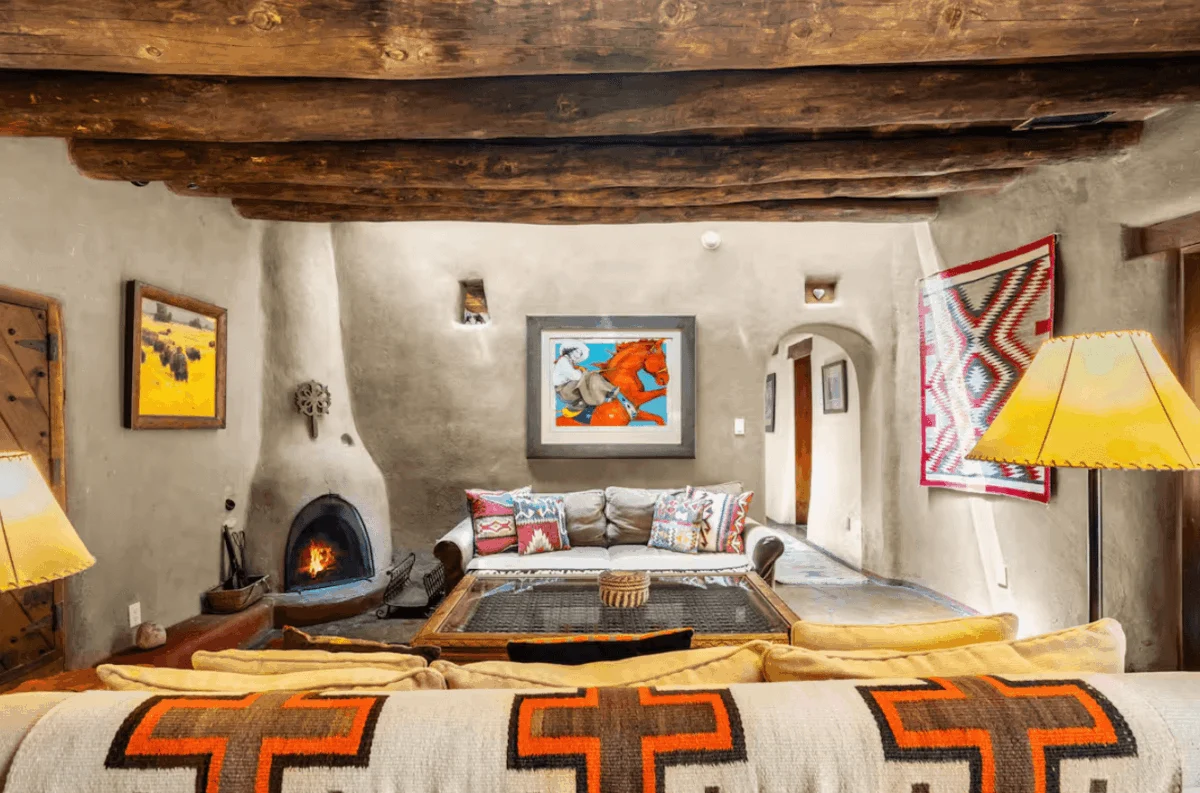
Santa Fe, New Mexico, frequently referred to as "The City Different," represents a unique intersection of historical preservation, indigenous heritage, and a thriving modern arts economy. As the oldest state capital in the United States, founded in 1610, the city has transitioned from a remote colonial outpost to one of the most significant cultural destinations in North America. This evolution is driven by a commitment to maintaining its distinct architectural identity and a robust tourism sector that emphasizes immersive local experiences. Central to this contemporary travel experience is the rise of specialized short-term rentals, which allow visitors to integrate into the city’s historic neighborhoods rather than remaining confined to traditional hotel districts.
Historical Chronology and the Development of the Santa Fe Style
The history of Santa Fe is characterized by a layering of cultures that began long before European contact. The area was originally inhabited by the Tewa people, whose ancestral lands form the foundation of the modern city. The formal establishment of Santa Fe by Spanish colonists in 1610 marked the beginning of its tenure as a seat of government, a role it has maintained through Spanish, Mexican, and American rule.
A pivotal moment in the city’s aesthetic history occurred around 1912, the year New Mexico achieved statehood. Concerned that the city was losing its unique character to standardized American architectural trends, local leaders and architects spearheaded a movement to codify the "Santa Fe Style." This initiative mandated the use of Pueblo Revival and Territorial Revival architecture, characterized by flat roofs, earth-toned adobe walls, and exposed wooden beams known as vigas. This early 20th-century urban planning decision is largely responsible for the visual cohesion that defines the city today, making its architecture instantly recognizable and a primary draw for global tourism.
The Economic Impact of the Arts and Tourism Sector
Tourism serves as the primary engine of the Santa Fe economy. According to data from the City of Santa Fe’s Economic Development Department, the hospitality and arts sectors contribute significantly to the municipal budget and provide employment for a substantial portion of the local workforce. The city hosts more than two million visitors annually, with an economic impact estimated to exceed $1 billion.
The arts scene is a critical component of this economic vitality. Santa Fe is home to over 250 galleries, concentrated largely along the historic Canyon Road and the downtown Plaza area. It is ranked as the third-largest art market in the United States, following only New York City and Los Angeles. The city’s designation as a UNESCO Creative City in Crafts and Folk Art further underscores its international standing. Key institutions, such as the Georgia O’Keeffe Museum and the innovative immersive art space Meow Wolf, have expanded the city’s appeal to a diverse demographic of travelers, ranging from traditional fine art collectors to younger, experiential tourists.
The Shift Toward Immersive Accommodations
In recent years, the Santa Fe hospitality market has seen a significant shift toward short-term rentals (STRs), such as those found on Airbnb. This trend reflects a broader global movement toward "experiential travel," where visitors seek to live like locals. In Santa Fe, this often means staying in historic adobe homes that feature traditional design elements such as kiva fireplaces and hand-plastered walls.
The integration of these rentals into the local fabric allows for a more distributed tourism model. Rather than concentrating visitors in a few large-scale resorts, STRs place travelers in residential neighborhoods, supporting local grocery stores, smaller cafes, and neighborhood boutiques. For a city like Santa Fe, where the "local life" is a significant part of the brand, these accommodations serve as a bridge between the visitor and the authentic cultural heritage of the region.
To maintain quality and safety within this growing sector, platforms have implemented vetting processes. Listings that achieve "Superhost" or "Guest Favorite" status are evaluated based on rigorous criteria, including high ratings, reliability, and specific amenities that reflect the regional character. These metrics are essential for maintaining the high standards expected by Santa Fe’s upscale tourism demographic.
Cultural Heritage and the Preservation of Indigenous Crafts
The allure of Santa Fe is deeply rooted in its proximity to 19 Navajo and Pueblo communities. The city serves as a central hub for the sale and preservation of Indigenous crafts, including woven blankets, intricate pottery, and turquoise jewelry. The annual Santa Fe Indian Market, which has been running for over a century, is the largest and most prestigious juried Native American art show in the world, attracting artists and collectors from across the globe.
This focus on authentic craftsmanship extends into the interior design of the city’s top-tier accommodations. Many high-end Airbnbs and boutique inns prioritize the display of local work, featuring smudge sticks, hand-woven textiles, and traditional Southwestern furniture. This creates a feedback loop where the tourism industry directly supports the preservation of traditional artistic techniques by providing a consistent market for local artisans.
Culinary Identity as a Tourist Draw
New Mexican cuisine is another pillar of the Santa Fe experience, distinct from the broader "Tex-Mex" or Mexican categories. The cuisine is defined by the use of the Hatch chile, available in both red and green varieties. The "Official State Question" of New Mexico—"Red or green?"—is central to the dining experience in Santa Fe.
The city’s culinary landscape ranges from historic establishments that have served the community for decades to modern, James Beard Award-winning restaurants. The emphasis on locally sourced ingredients and traditional recipes provides an additional layer of cultural immersion for visitors. For many travelers, the ability to utilize a full kitchen in a rented adobe home to experiment with local ingredients purchased at the Santa Fe Farmers Market is a significant draw.
Infrastructure and Environmental Considerations
As Santa Fe continues to grow as a destination, it faces the challenge of balancing tourism growth with environmental and infrastructural sustainability. The high-desert landscape is a fragile ecosystem, and the city’s water resources are a perennial concern. Local officials and tourism boards have increasingly focused on "sustainable tourism" initiatives, encouraging visitors to respect the natural environment while hiking in the Sangre de Cristo Mountains or exploring the nearby desert landscapes.
Furthermore, the rise of short-term rentals has prompted a complex dialogue regarding housing affordability for local residents. The city government has implemented regulations to manage the number and location of STRs, aiming to ensure that the tourism industry does not displace the very artists and service workers who make the city vibrant.
Analysis of Broader Implications
The success of Santa Fe’s tourism model offers several insights for other historic cities. First, it demonstrates the long-term economic value of strict architectural preservation. By refusing to conform to generic modern building trends in the early 20th century, Santa Fe created a "brand" that has only increased in value over time.
Second, the city’s ability to blend traditional heritage with cutting-edge art (as seen in the success of Meow Wolf) shows that a destination can honor its past while remaining relevant to contemporary audiences. The evolution of the accommodation market—from standard hotels to curated, art-filled homes—is a logical extension of this trend.
Finally, the city’s reliance on "The City Different" moniker serves as a case study in effective place-branding. By leaning into its eccentricities and its multi-cultural history, Santa Fe has insulated itself from the boom-and-bust cycles that often affect more one-dimensional tourist towns.
Conclusion
Santa Fe remains a preeminent example of how cultural heritage, when properly managed and marketed, can sustain a modern economy. The city’s unique blend of 400 years of history, a world-class art scene, and a distinct culinary identity continues to attract a sophisticated global audience. As the hospitality industry evolves, the emphasis on high-quality, authentic accommodations—vetted through modern digital standards—will likely remain a cornerstone of the Santa Fe experience. The challenge for the future will be maintaining the delicate balance between being a "living museum" and a functional, affordable city for its permanent residents. For now, Santa Fe continues to hold its position as a singular destination that offers a level of cultural depth rarely found elsewhere in the United States.