Johny Marice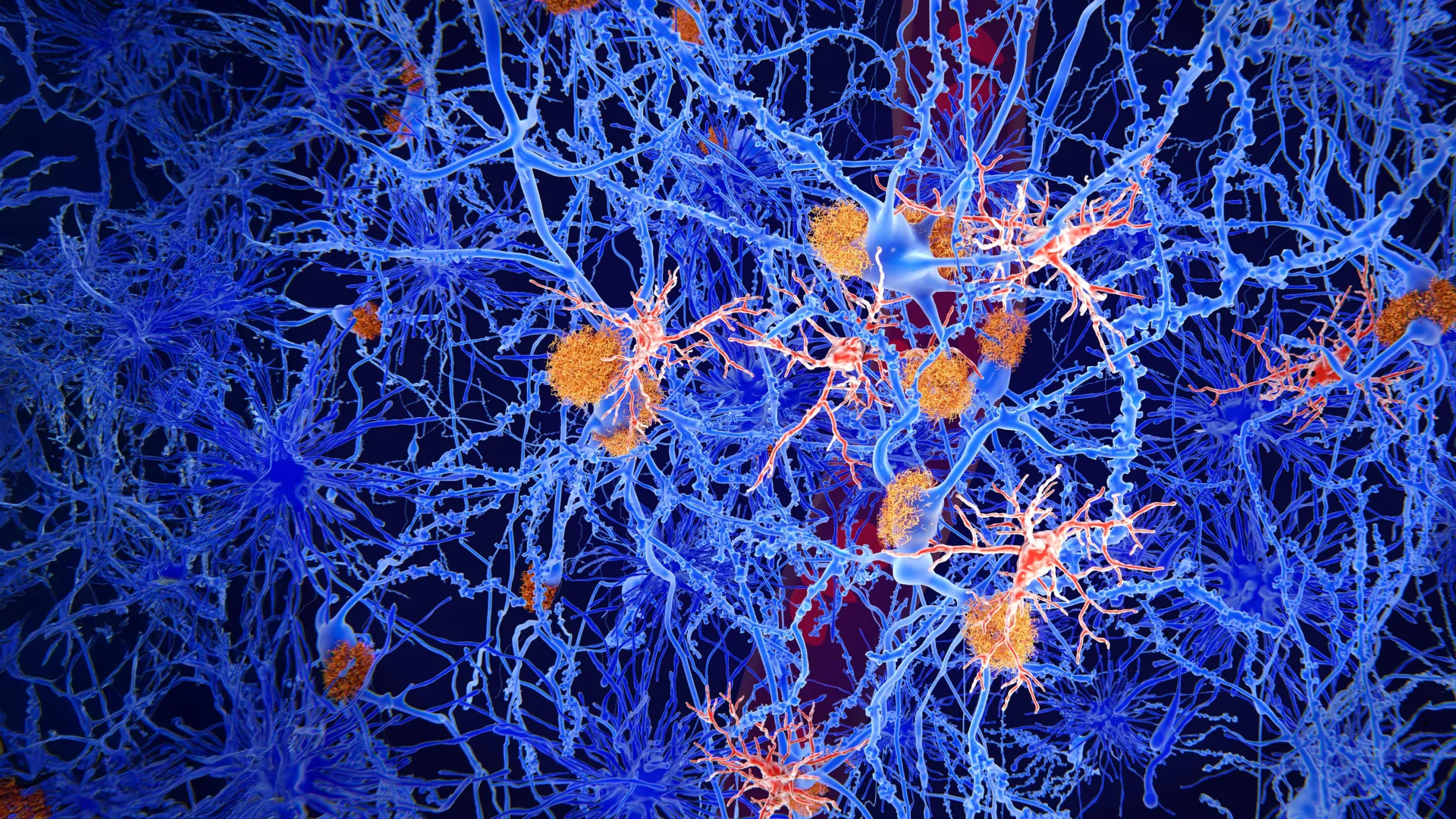
Researchers in Spain and Switzerland have identified an experimental molecule that may help restore the brain’s natural defenses against Alzheimer’s disease. The compound, known as OLE, appears to "reprogram" microglia, the brain’s immune cells, allowing them to regain some of their protective abilities. This groundbreaking discovery, published in the esteemed journal Cell Death and Disease, offers a novel therapeutic strategy by bolstering the brain’s intrinsic capacity to combat the neurodegenerative pathology associated with Alzheimer’s.
The collaborative effort was spearheaded by José Vicente Sánchez Mut of the Institute for Neurosciences (IN), a distinguished joint center of the Spanish National Research Council (CSIC) and Miguel Hernández University of Elche (UMH), in conjunction with Johannes Gräff of the École Polytechnique Fédérale de Lausanne (EPFL). Their findings represent a significant leap forward in understanding and potentially treating a disease that affects millions worldwide, offering a beacon of hope for improved patient outcomes.
Understanding the Microglia’s Role and Alzheimer’s Pathology
Alzheimer’s disease, a progressive neurodegenerative disorder, is characterized by the insidious accumulation of toxic protein aggregates in the brain, most notably beta-amyloid plaques. These plaques are widely believed to trigger a cascade of detrimental events, leading to neuronal dysfunction and eventual cell death, which manifest as cognitive decline, memory loss, and behavioral changes.
Crucially, the brain possesses its own sophisticated immune system, primarily orchestrated by specialized cells called microglia. In a healthy brain, microglia act as vigilant guardians, constantly surveying their environment, clearing cellular debris, and responding to signs of damage or infection. Their role in the context of Alzheimer’s disease is complex and has been a subject of intense scientific scrutiny. While initially thought to be purely protective, research has increasingly indicated that in the chronic inflammatory environment of Alzheimer’s, microglia can become dysfunctional. Instead of effectively clearing beta-amyloid, they can become overactivated, releasing inflammatory molecules that contribute to neuronal damage, thus exacerbating the disease process. This shift from a protective to a detrimental state in microglia is a key hallmark of Alzheimer’s pathology.
The research team focused on this critical interplay between microglia and beta-amyloid. They observed that in Alzheimer’s disease, the microglia’s ability to efficiently engulf and neutralize beta-amyloid plaques diminishes significantly. This impairment allows the plaques to grow and exert their toxic influence on neighboring neurons, leading to synaptic dysfunction and neuronal loss. The challenge, therefore, has been to find ways to restore the microglia to their original, protective state.
OLE: A Molecular Key to Restoring Microglial Function
The experimental molecule, OLE, derived from the PM20D1 gene, has emerged as a potential solution. The researchers’ investigations revealed that OLE possesses the remarkable ability to "reprogram" these dysfunctional microglia. Instead of remaining in a state of chronic inflammation or failing to act, OLE prompts them to revert to a more beneficial phenotype.
According to the study, OLE effectively helps microglia surround and contain beta-amyloid plaques. This containment strategy significantly reduces both the size of the plaques and their harmful impact on surrounding brain tissue. By acting as a physical barrier, the reprogrammed microglia limit the direct contact between the toxic plaques and vulnerable neurons, thereby mitigating the neurotoxic effects.
"One of the most significant findings is that we have identified a molecule capable of restoring microglia’s protective function," explains Sánchez Mut. "In Alzheimer’s disease, these cells become progressively impaired. Our results suggest that this process can be reversed, pointing to new therapeutic and research avenues to counteract the disease." Sánchez Mut, who leads the Functional Epi-Genomics of Aging and Alzheimer’s Disease laboratory at the IN CSIC-UMH, emphasized the profound implications of this reversal, suggesting that the trajectory of microglial dysfunction in Alzheimer’s might not be a one-way street.
A Chronology of Discovery: From Genes to Animal Models
The genesis of this research can be traced back to investigations into the genetic underpinnings of aging and neurodegenerative diseases. The PM20D1 gene, identified as a source for the OLE molecule, became a focal point for exploring potential therapeutic interventions. The initial hypotheses centered on whether molecules derived from specific genes could influence the cellular mechanisms implicated in Alzheimer’s.
The research followed a systematic progression:
- Gene Identification and Molecule Synthesis: The team identified the PM20D1 gene and synthesized the OLE molecule derived from it.
- In Vitro Studies: Initial experiments were conducted in cell cultures to assess OLE’s effects on microglia and neurons in isolation. These studies provided early indications of OLE’s potential to influence microglial behavior and protect neurons.
- Animal Model Testing (Worms): Genetically modified C. elegans (roundworms) that produce beta-amyloid were used as an initial model. These organisms exhibit rapid disease-related damage, making them efficient for studying toxicity and potential protective agents.
- Animal Model Testing (Mice): More complex mammalian models, specifically mice engineered to develop Alzheimer’s-like pathology, were employed for more comprehensive evaluation.
- Single-Cell Analysis: Advanced techniques were utilized to analyze the gene expression and cellular activity of thousands of individual cells within the brain, pinpointing the specific cell types most affected by OLE.
- Publication and Patenting: The culmination of these efforts led to the publication of findings in Cell Death and Disease and the subsequent securing of European patents, underscoring the translational potential of the discovery.
Rigorous Testing in Experimental Models: From Worms to Mice
To validate the potential of OLE, the researchers employed a multi-tiered approach using established experimental models.
The Worm Model: C. elegans
The first experimental stage involved genetically modified C. elegans worms engineered to produce human beta-amyloid. These microscopic organisms serve as a valuable and rapid model for studying the early stages of protein aggregation and toxicity due to their short lifespan and ease of genetic manipulation. The results were encouraging: treatment with OLE led to a significant reduction in the accumulation of beta-amyloid protein aggregates within the worms. Furthermore, the treated worms exhibited improved movement capabilities, a clear indication of a protective effect against the disease-related damage. This early success provided crucial proof-of-concept for OLE’s ability to mitigate amyloid pathology.
The Mouse Model: A Closer Look at Cognitive and Brain Changes
Building upon the promising results in worms, the research team advanced to more sophisticated animal models: mice genetically engineered to mimic aspects of human Alzheimer’s disease. These mice develop beta-amyloid plaques and exhibit cognitive deficits comparable to those seen in human patients.
In these studies, mice received OLE treatment for a period of three months. Following this treatment regimen, the researchers conducted a series of assessments, focusing on both cognitive function and pathological changes in the brain. The findings were compelling: the OLE-treated mice demonstrated significantly better performance on memory and learning tests compared to their untreated counterparts. Crucially, post-mortem analysis of their brains revealed a notable reduction in the number and size of beta-amyloid plaques. This dual improvement in cognitive function and reduction in pathology strongly suggested that OLE was effectively intervening in the disease process.
Unveiling the Mechanism: Microglia as the Primary Responders
A critical aspect of the research involved dissecting the precise mechanism by which OLE exerts its beneficial effects. To achieve this, the scientists employed state-of-the-art single-cell analysis techniques. This cutting-edge technology allows researchers to examine the genetic and functional characteristics of thousands of individual cells within a complex tissue like the brain.
The analysis unequivocally revealed that microglia were the cells most profoundly affected by OLE treatment. Following exposure to the molecule, microglia exhibited a distinct shift in their molecular signature and cellular behavior. Specifically, OLE activated pathways within microglia that are known to be involved in the clearance of beta-amyloid. Moreover, the treated microglia regained their migratory capabilities, enabling them to actively move towards the beta-amyloid plaques. Once at the plaques, they demonstrated an enhanced ability to surround and contain them, effectively limiting their spread and toxic influence.
"Single-cell analysis allowed us to determine that microglia were the cells that responded most strongly to the treatment," stated Victoria Pozzi, the first author of the study. "From there, we observed that the compound helped these cells move toward beta-amyloid plaques and better contain the damage associated with the disease." Pozzi’s insights underscore the power of advanced analytical tools in unraveling complex biological processes and highlight the central role of microglia in OLE’s therapeutic action.
Further Validation in Cell Cultures
Complementary experiments conducted in laboratory cell cultures further corroborated these findings. In these controlled environments, microglia treated with OLE demonstrated a heightened capacity to migrate towards beta-amyloid deposits and facilitate their removal. Intriguingly, in separate neuronal cultures exposed to conditions mimicking the detrimental environment of Alzheimer’s disease, OLE also showed a positive effect. It improved neuronal survival, suggesting that the compound might possess a dual mechanism of action, not only by enhancing microglial defenses but also by directly protecting vulnerable brain cells. This dual action could be particularly advantageous in a multifaceted disease like Alzheimer’s.
Broader Impact and Future Directions: From Bench to Bedside
The implications of this research are far-reaching, offering a novel therapeutic paradigm for Alzheimer’s disease. By focusing on the restoration of the brain’s endogenous defense mechanisms, OLE represents a departure from some traditional approaches that primarily target the symptoms or aim to remove amyloid without necessarily boosting the brain’s own protective capabilities.
The fact that the findings are covered by two European patents, including one owned by the CSIC, significantly strengthens the translational potential of this work. Patents provide intellectual property protection, which is crucial for attracting investment and facilitating the complex and expensive process of drug development and clinical trials. This legal framework suggests confidence in the scientific validity and commercial viability of OLE as a future therapeutic agent.
Potential for Therapeutic Applications
The discovery of OLE opens up several promising avenues for future Alzheimer’s therapies:
- Direct Drug Development: OLE itself, or closely related analogs, could be developed into a pharmaceutical drug for the treatment of Alzheimer’s disease. This would likely involve extensive preclinical testing, followed by rigorous human clinical trials to establish safety and efficacy.
- Combination Therapies: OLE’s ability to modulate microglial function might make it a valuable component of combination therapies, potentially working synergistically with other existing or emerging Alzheimer’s treatments.
- Biomarker Development: Understanding how OLE affects microglia could lead to the development of new biomarkers to monitor disease progression or treatment response in patients.
Funding and Collaborative Support
The research was supported by a broad coalition of national and international funding bodies, reflecting the global importance of finding a cure for Alzheimer’s disease. These include:
- Dementia Research Switzerland — Synapsis Foundation (Switzerland)
- Pasqual Maragall Researchers Programme (PMRP) of the Pasqual Maragall Foundation
- Spanish Ministry of Science, Innovation and Universities
- Severo Ochoa Centres of Excellence programme of the State Research Agency (AEI)
- Prometeo program of the Generalitat Valenciana
- European Regional Development Fund (ERDF)
- CSIC Interdisciplinary Thematic Platform PTI+ NEURO-AGING
- Swiss National Science Foundation
- École Polytechnique Fédérale de Lausanne (EPFL)
- European Research Council (ERC)
- National Research Foundation of Korea (NRF)
- European Social Fund (ESF+)
This extensive support highlights the collaborative spirit and significant investment dedicated to combating Alzheimer’s disease. The diverse funding sources also underscore the international recognition of the potential impact of this research.
Official Responses and Expert Opinions
While direct statements from external parties were not included in the original text, the implications of this discovery are likely to generate considerable interest and discussion within the scientific and medical communities. Experts in neurodegenerative diseases will be keen to see further validation in human trials, as well as to understand the long-term effects and potential side effects of OLE. Regulatory bodies will also be closely monitoring the progress of any potential drug development stemming from this research.
The successful translation of OLE from a laboratory discovery to a clinical therapy would represent a monumental achievement in the fight against Alzheimer’s disease, potentially offering a new era of treatment focused on restoring the brain’s innate healing and protective capacities. The journey from identifying an experimental molecule to a widely available treatment is long and complex, but the findings concerning OLE provide a compelling and hopeful new direction.