Prabowo Widodo
The user experience on modern social media platforms often balances subtle interface enhancements with aggressive monetization tactics. While minor design tweaks or unobtrusive banner prompts frequently pass without significant notice, aggressive and intrusive UI elements tend to generate immediate, vocal resistance from digital communities. Recently, the platform formerly known as Twitter, now operating simply as X, introduced an unexpected and jarring interactive feature that has left creators and casual users alike bewildered and frustrated.
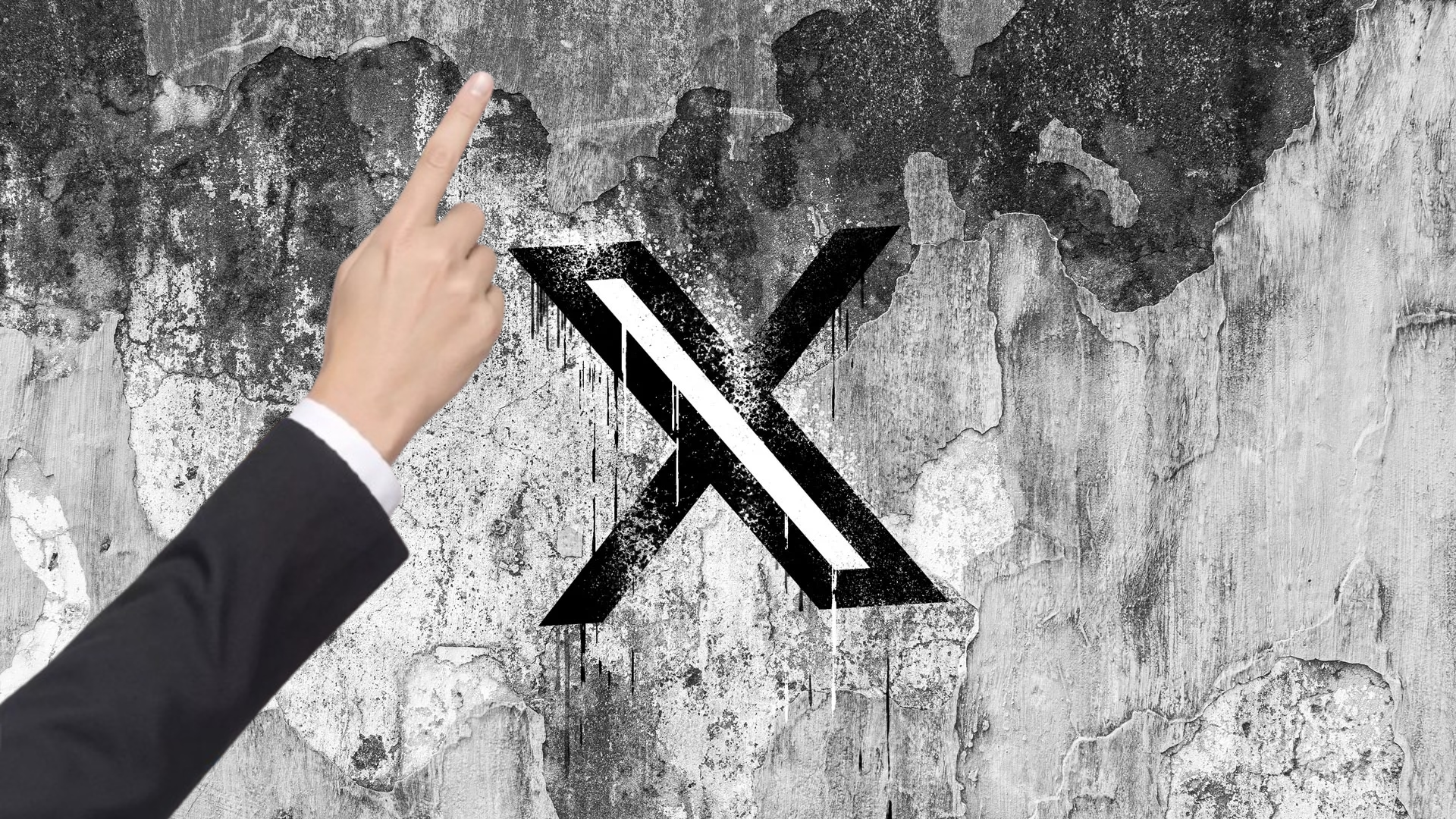
Over a 24-hour period, a growing number of platform users reported encountering a graphic of a mysterious hand abruptly appearing on their screens while drafting content. This unsolicited visual asset prominently points directly toward the platform’s "promote" button, creating an intensely intrusive experience that many have likened to an intentional digital jump scare. The sudden emergence of this feature has sparked widespread complaints across the network, raising questions regarding product strategy, user interface design choices, and monetization desperation as the platform navigates leadership transitions.
The Mechanics of the Intrusive Prompt
The newly observed feature manifests as a large, graphically rendered hand and arm that materializes dynamically within the post-composition interface. Rather than fading in gently or remaining confined to a static sidebar banner, the graphic aggressively overlays the active workspace, directing direct visual attention toward the native option to spend money on amplifying a post’s reach.
For many content creators, the appearance of the hand was not only startling but occurred during hyper-specific contexts. Several high-profile users noted that the graphic seemed to trigger contextually, appearing precisely when specific keywords—such as "engagement farming"—were typed into the composition box. This has led to speculation about algorithmic triggers designed to target users discussing metrics, monetization, or platform reach.
The reception among active users was swift and overwhelmingly critical. Ershad Kaleebullah, a prominent technology commentator, voiced his displeasure directly on the platform, writing, "WTF @elonmusk, if I wanted jump scares I would’ve watched a horror movie instead." Kaleebullah further emphasized the bizarre timing of the feature, noting that the graphic materialized out of nowhere precisely when specific terminology was being entered into the text field.
Similarly, Dylan Abruscato, president of the TBPN podcast, captured a screenshot of the obstructive graphic and shared it with his followers. Abruscato characterized the aggressive marketing tactic as uniquely aggressive, describing it as "the most Nikita-coded thing I’ve ever seen." This phrasing served as an explicit reference to Nikita Bier, X’s former head of product, who became widely known in tech industry circles for implementing aggressive growth hacking and viral monetization loops designed to maximize user conversion rates and revenue generation.
Leadership Shuffles and Product Strategy
The timing of this polarizing user interface experiment coincides with a notable leadership transition within X’s product development division. Nikita Bier stepped down from his role as head of product in August, concluding a tenure that lasted slightly less than a year. During Bier’s time at the helm, the platform introduced several aggressive growth and monetization measures aimed at accelerating revenue streams and boosting creator-economy spending.
On the very day the pointing hand feature began widely materializing for users, Peter Sellis formally announced that he was taking over the position of head of product at X. Sellis brings an extensive background in consumer technology leadership to the role, having previously served in senior product management capacities at major digital platforms including Snap and Discord.
In his introductory post announcing his new role, Sellis expressed enthusiasm for the platform’s long-term trajectory and cultural ethos. "I am a huge believer in SpaceX’s mission to extend human consciousness to the stars, so it’s time to make shitposting multiplanetary," Sellis wrote on the platform. He further described X as an indispensable tool for real-time global information discovery and discourse, signaling an intent to align product development with the company’s broader corporate philosophy under billionaire owner Elon Musk.
Despite the leadership handoff occurring concurrently with the rollout of the mysterious hand graphic, official confirmation regarding whether the feature was directly greenlit or designed under Sellis’s immediate directive remains absent. Representatives from X were contacted for comment regarding the origins and operational purpose of the graphic, but no official statement had been provided at the time of publication.
Timing and Cultural Context
Adding to the intrigue surrounding the rollout is the calendar. With late October bringing the annual cultural focus on Halloween, a portion of the user base initially speculated that the sudden appearance of a ghostly or disembodied hand might be an intentional, albeit poorly executed, seasonal prank meant to spook the community.
However, industry analysts note that even if the feature was conceived as a lighthearted holiday stunt, the execution has largely backfired. Rather than driving increased conversion rates for the platform’s promotion tools, the aggressive design choice appears to have alienated segments of the user base. Marketing professionals and casual posters alike have pointed out that intrusive, startling pop-ups can easily create a negative psychological association with the promoted feature, potentially discouraging users from voluntarily spending capital on ad campaigns out of sheer annoyance.
The reliance on high-friction user interface nudges is a persistent challenge for consumer-facing digital platforms attempting to balance financial sustainability with user retention. As social media companies face intense pressure to diversify revenue streams beyond traditional display advertising, turning internal tools—such as post-promotion features—into prominent revenue drivers has become standard industry practice. However, the line between effective call-to-action design and hostile user experience remains exceptionally thin.
Broader Implications for Social Media Monetization
The deployment of the pointing hand feature highlights a broader ongoing evolution in how digital platforms attempt to monetize organic user activity. In an era where user growth has largely plateaued across legacy social networks, companies are increasingly turning inward to extract revenue from existing active participants. By attempting to convert everyday posters into paying advertisers through native post-promotion tools, platforms hope to tap into the lucrative creator economy.
Nevertheless, the negative backlash experienced by X underscores the risks inherent in aggressive design experimentation. When interface changes disrupt the fundamental writing and communication workflow of a platform, they risk eroding user trust and driving engagement down rather than up.
As Peter Sellis settles into his new role as head of product, the platform faces a critical juncture regarding its user experience strategy. Whether the mysterious pointing hand was a temporary seasonal experiment, a legacy feature from the previous product administration, or a sign of things to come under new leadership, the episode clearly demonstrates that the platform’s user base remains hyper-sensitive to changes that disrupt their digital routines. Observers will be closely monitoring subsequent app updates to see whether X doubles down on aggressive growth hacking tactics or pivots toward more subtle methods of encouraging creator spending.