Jono Maryono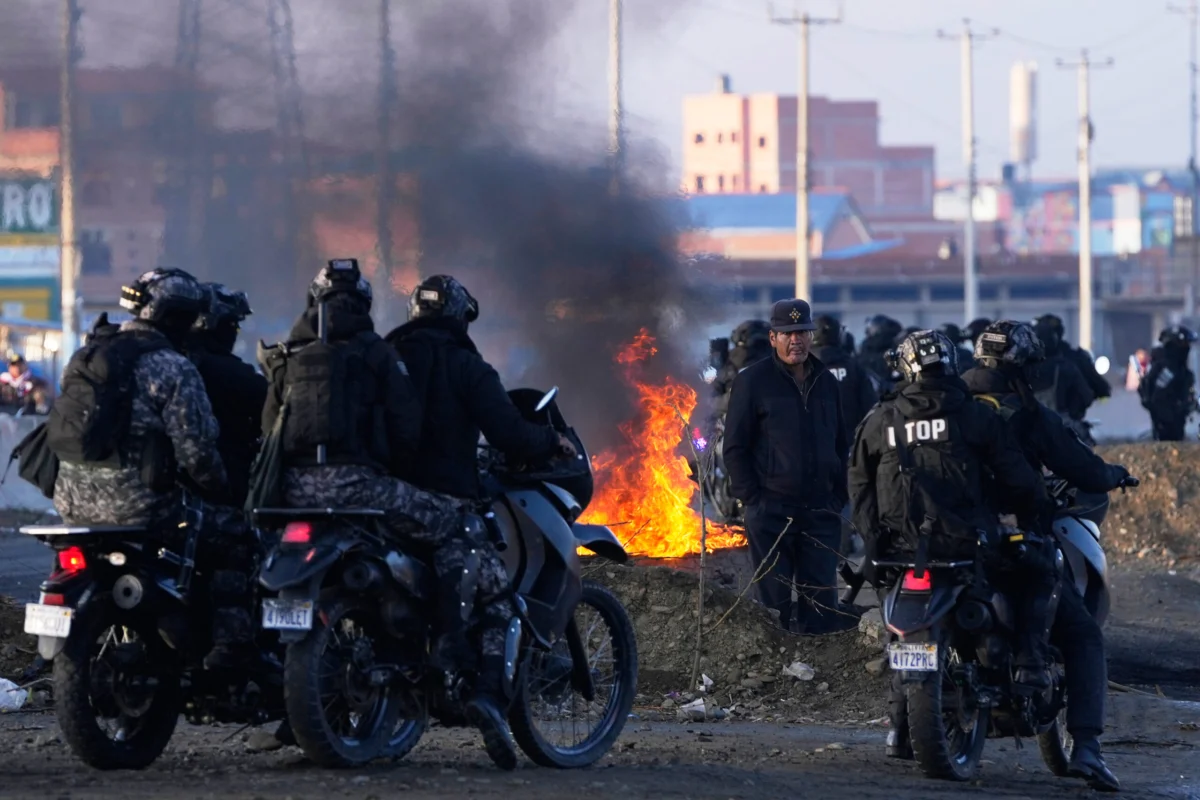
Bolivian President Rodrigo Paz has announced a significant 50% reduction in his own salary and those of his cabinet ministers, a move he asserts is a demonstration of his government’s "commitment to the country." This drastic measure comes as Bolivia grapples with an intensifying political and social crisis, now entering its fourth week, characterized by widespread protests and disruptive roadblocks demanding Paz’s resignation. The president made the announcement on Monday during an event held in Sucre, Bolivia’s constitutional capital, attempting to project an image of shared sacrifice in the face of mounting public discontent.
The salary cuts are a direct response to a protracted period of unrest that has paralyzed key sectors of the Bolivian economy and society. The protests, fueled by a complex interplay of economic grievances and political alienation, have resulted in severe supply-chain disruptions across major urban centers, notably La Paz and El Alto. Reports from these cities paint a grim picture of dwindling supplies, with markets, hospitals, and petrol stations experiencing critical shortages of essential goods, including food, fuel, and vital medicines. This scarcity has exacerbated the daily struggles of ordinary citizens and intensified the pressure on Paz’s administration.
The core demands of the protesters are multifaceted, primarily centering on the rollback of austerity measures implemented by the centrist government and a more robust response to the escalating cost of living. Specific demands include significant wage increases and the restoration of a fuel subsidy that had effectively capped prices at their 2006 levels. This particular demand highlights a deep-seated concern among a significant portion of the population regarding economic fairness and the perceived alignment of the current government with powerful business interests and economic elites.
A key point of contention and a stark contrast to previous administrations is the composition of Paz’s cabinet. Critics have pointed out that his government notably lacks representation from Indigenous communities or the working class, a departure from the more inclusive cabinet appointments seen in prior governments. This has fueled perceptions that Paz’s policies are disproportionately favoring established economic powers, further alienating segments of the population who feel their voices are not being heard or represented at the highest levels of government.
President Paz, who assumed office in November, inherited an economy already facing considerable challenges and turbulence. He has consistently defended the austerity measures and the reduction of fuel subsidies as indispensable steps required to stabilize the nation’s public finances. His administration argues that these fiscal consolidations are necessary for long-term economic health and to address structural deficits that have plagued the country. However, these justifications have found little traction with a populace experiencing immediate economic hardship and feeling a growing disconnect from their government.
Escalating Unrest and Blockades: A Nation on Edge
The current wave of protests is not an isolated incident but rather a culmination of simmering discontent that has been building over several months. The demonstrations began as localized expressions of dissatisfaction with specific economic policies but have rapidly coalesced into a national movement demanding fundamental changes in governance and economic priorities. The strategic use of roadblocks, particularly on major transportation arteries, has proven to be an effective, albeit disruptive, tactic for protesters seeking to exert maximum pressure on the government.
These blockades have had a cascading effect throughout the economy. The disruption of logistics and transportation networks has led to a sharp increase in the cost of goods, further contributing to inflation and impacting household budgets. Businesses reliant on timely delivery of raw materials or finished products have faced significant operational challenges, with some forced to scale back production or temporarily close their doors. The agricultural sector, crucial for both domestic consumption and exports, has been particularly hard-hit, with produce rotting in transit due to impassable roads.
The medical sector is also experiencing severe strain. Shortages of essential medicines and medical supplies have become commonplace, directly impacting the quality of healthcare available to citizens. Hospitals are struggling to maintain consistent operations, and patients requiring specialized treatments are facing delays or the inability to access necessary care. This has created a humanitarian dimension to the ongoing crisis, adding a layer of urgency to the calls for resolution.
Historical Context: Economic Reforms and Social Inequality
To understand the current crisis, it is essential to consider Bolivia’s recent economic and political history. For decades, Bolivia has navigated a complex path between implementing market-oriented reforms and addressing deep-seated social inequalities. Previous administrations have experimented with various economic models, often oscillating between state intervention and liberalization, with mixed results.
The legacy of resource-based economic dependence has also played a significant role. Fluctuations in global commodity prices, particularly for natural gas and minerals, have historically dictated the pace of economic growth and government revenue, leading to cycles of boom and bust. Governments have often struggled to diversify the economy and create sustainable, broad-based employment opportunities.
The demands for restoring fuel subsidies and increasing wages are rooted in the historical context of government intervention in the economy to cushion the impact of global price volatility and to ensure a basic standard of living for a significant portion of the population. The perception that the current government is dismantling these social safety nets in favor of fiscal austerity that benefits a select few has ignited widespread anger and mistrust.
Furthermore, Bolivia’s socio-political landscape is marked by a history of class and ethnic divisions. The rise of Indigenous movements and their increasing political influence in the early 21st century brought a new dynamic to national politics, with a greater emphasis on social justice, redistribution of wealth, and recognition of cultural diversity. The current government’s perceived deviation from this inclusive approach has alienated these groups and fueled accusations of a return to a more elitist form of governance.
Government’s Stance: Fiscal Prudence vs. Public Welfare
President Paz’s administration has consistently framed its economic policies as necessary for fiscal responsibility and long-term economic stability. In a nation that has experienced periods of hyperinflation and economic instability, the argument for prudent fiscal management often resonates with a segment of the population concerned about macroeconomic stability.
The government’s defenders argue that the fuel subsidies, while popular, represented a significant drain on public finances, distorting market prices and discouraging investment in alternative energy sources. Similarly, austerity measures are presented as essential to reduce the national debt, attract foreign investment, and create a more sustainable economic framework for future growth.
However, critics argue that the pace and nature of these reforms have been too abrupt and have failed to adequately consider the immediate impact on vulnerable populations. They contend that the government could have pursued a more gradual approach, accompanied by targeted social programs to mitigate the effects of austerity and rising costs. The lack of representation from diverse social strata within the cabinet is often cited as evidence that the government lacks the understanding or willingness to adequately address the concerns of the broader populace.
Reactions from Opposition and Civil Society
The political opposition has been vocal in its criticism of President Paz’s handling of the crisis. Opposition leaders have accused the government of being out of touch with the realities faced by ordinary Bolivians and have called for more substantive dialogue and policy changes. Some have echoed the protesters’ demands for a rollback of austerity measures and a renegotiation of economic policies.
Civil society organizations, including labor unions and student groups, have been at the forefront of the protests, lending their organizational strength and mobilizing their members. These groups often represent a broad spectrum of grievances, from workers demanding better wages to students concerned about the future economic prospects of the country. Their involvement has amplified the calls for change and provided a platform for widespread public expression of discontent.
International organizations and observers are closely monitoring the situation, expressing concerns about the potential for further instability and the impact on regional economic ties. While official statements from international bodies often call for peaceful resolution and dialogue, the underlying economic and political dynamics are being scrutinized for their broader implications for democratic governance and economic development in Latin America.
Analysis of Implications: A Test of Leadership and Policy
President Paz’s decision to halve his salary and those of his ministers, while a symbolic gesture, is unlikely to resolve the underlying issues driving the protests. It is a calculated attempt to demonstrate empathy and shared sacrifice, but the core demands revolve around economic policies and representation.
The implications of this ongoing crisis are significant:
- Economic Instability: Continued protests and roadblocks pose a severe threat to economic recovery. The disruption of supply chains, reduced business activity, and potential loss of investor confidence could push the economy further into recession.
- Political Legitimacy: The sustained public discontent erodes the political legitimacy of President Paz’s administration. If the government cannot effectively address the grievances of its citizens, it risks facing a crisis of governance.
- Social Cohesion: The polarization and protests can further fracture social cohesion, deepening divisions between different segments of society and making future consensus-building more challenging.
- Policy Reassessment: The crisis may force the government to reassess its economic strategy. A complete rollback of austerity might be fiscally unsustainable, but a more nuanced approach that incorporates social safety nets and targeted support could be a path forward.
- Future Political Landscape: The outcome of this crisis could shape the future political landscape of Bolivia, potentially leading to shifts in political power and the rise of new social and political movements.
The coming weeks will be critical in determining whether President Paz’s gesture of salary reduction, combined with potential policy adjustments, can de-escalate the situation. The ability of his government to engage in meaningful dialogue, demonstrate a genuine understanding of the public’s concerns, and implement policies that foster economic inclusivity will be paramount in navigating Bolivia through this turbulent period. The nation’s capacity to find a sustainable path forward will depend on its ability to bridge the divides that have been exposed by this escalating political and social crisis.