Ana Megawati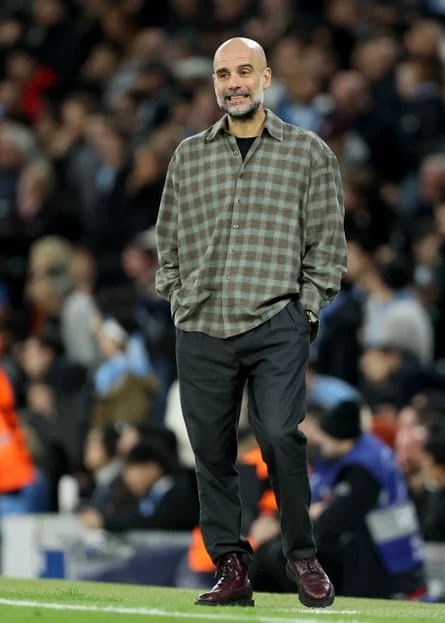
In 2016, when Pep Guardiola took his place in the dugout for his first game in charge of Manchester City, the Premier League’s touchline fashion was largely defined by established norms: José Mourinho, sharp in a quarter-zip and mac at Manchester United, and Arsène Wenger, consistently dapper in his suit and unzippable puffer jacket at Arsenal. Guardiola, initially appearing somewhat anachronistic in a V-neck, shirt, tie, and blazer – a look reminiscent of an overgrown schoolboy – gave little indication of the profound sartorial revolution he was about to orchestrate. Yet, a decade later, as he confirms his departure from Manchester City, he stands unequivocally as the undisputed champion of dugout style, having irrevocably relaxed the unwritten dress code that once dictated managers oscillate strictly between wedding-worthy smart suits and club-issued tracksuits.
The Evolution of a Style Icon: A Decade of Sartorial Disruption
Guardiola’s journey from a seemingly conservative dresser to a global fashion influencer began subtly but gained momentum, mirroring the tactical innovations he brought to the pitch. Upon his arrival at the Etihad, the Premier League managerial aesthetic was largely binary. Managers either adhered to the traditional suit-and-tie formality, a remnant of football’s more conservative past, or embraced the pragmatic, team-branded tracksuit, signifying a direct connection to the players and the athletic demands of the sport. Guardiola, however, quickly began to carve out a third path, one that prioritized individual expression, comfort, and a nuanced understanding of contemporary menswear trends.
He eschewed the rigid confines of both extremes, opting instead for clothes that possessed versatility and sophistication, transcending the specific confines of the technical area. Blouson jackets, often paired with smart trousers and refined brogues, became early staples, offering a relaxed yet polished alternative to the ubiquitous suit jacket. His preference for three-quarter length coats added an element of casual elegance, demonstrating that warmth and practicality could coexist with high fashion. This initial shift was not merely a personal preference but a quiet statement, signaling a departure from the perceived uniformity of managerial attire and a move towards a more personalized, modern aesthetic.
The Cardigan Conundrum: Making Knitwear a Trend (2019)

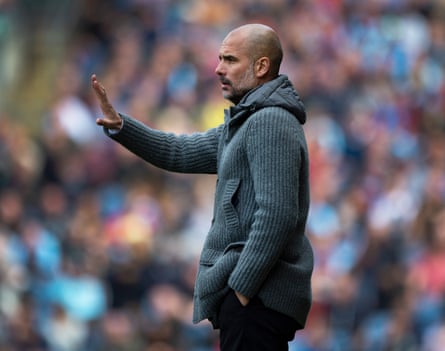
By 2019, Guardiola’s evolving style had become a significant talking point among both football aficionados and fashion critics. It was in this season that he famously elevated the humble cardigan to an unlikely symbol of success and style. He was frequently seen sporting a specific £1,200 grey knit cardigan, which he publicly deemed his "lucky" charm. This particular garment made an astonishing 30 appearances throughout the season, a period during which Manchester City achieved an unprecedented domestic treble, clinching the Premier League title, the FA Cup, and the League Cup. The cardigan’s repeated presence in moments of triumph cemented its legendary status, and, by extension, Guardiola’s influence in making cardigans a bona fide trend for men. Its high price point also subtly signaled a foray into luxury casual wear, distinguishing his choices from mass-market options and aligning him with designers who understood the value of elevated staples.
This era marked a pivotal moment. The cardigan, traditionally associated with academia or an older demographic, was recontextualized as a cool, contemporary piece, worn by a high-profile, successful figure. This phenomenon illustrated Guardiola’s capacity to not only adopt trends but to actively create them within his sphere of influence, impacting menswear beyond the football pitch.
From Dugout to Catwalk: Embracing Streetwear and High Fashion
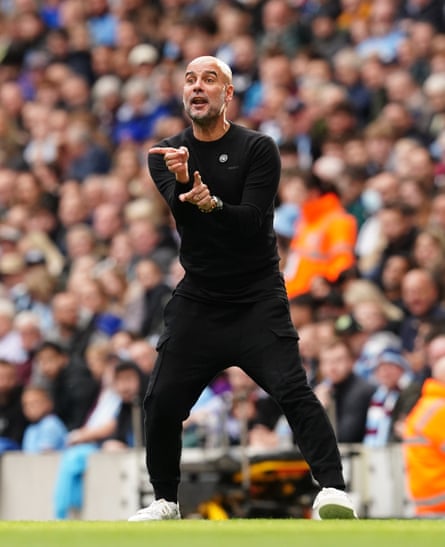
Guardiola’s sartorial journey continued its trajectory of "loosening up" while simultaneously embracing high fashion. The introduction of baseball boots by avant-garde catwalk designer Rick Owens into his rotation was a bold move, merging the raw, urban edge of streetwear with the refined environment of professional football. Rick Owens, known for his distinctive, often gothic-inspired aesthetic, brought a subversive element to Guardiola’s look, challenging traditional notions of appropriate footwear for a football manager. These were not merely athletic shoes but statement pieces, signaling an awareness and appreciation for contemporary design beyond mainstream sportswear brands.
Concurrently, he integrated combat-style trousers and jackets from Stone Island, a brand deeply embedded in British youth culture and football terraces but also recognized for its innovative textile research and high-quality casual wear. The adoption of Stone Island further blurred the lines between high fashion, casual wear, and subculture, showcasing a manager comfortable navigating diverse sartorial landscapes. This phase demonstrated a sophisticated understanding of how different elements could be combined to create a cohesive, modern, and distinctly personal style, moving away from rigid categorizations.
The "Cool Stoner" and the Influence of Others (2022-2026)
The evolution of Guardiola’s style has also been attributed, at various points, to external influences. In 2022, he openly credited his then-wife, Cristina Serra, as the primary force behind his improved wardrobe. Serra, known for her background in fashion and her ownership of a successful fashion boutique in Barcelona, was, according to Guardiola, the architect of his elegance. "Absolutely, ever since I met her," he told Sky Sports, "before I was a disaster, now I’m elegant, thanks to her." This candid acknowledgment highlighted the often-unseen collaboration behind public figures’ images and underscored the impact of personal relationships on sartorial choices. The couple’s split in 2025 led some to speculate on whether this influence would wane or if Guardiola had internalized her teachings, continuing to refine his look independently or with new professional guidance.
The "cool stoner" look he sported at a Champions League game in March 2026, featuring a slacker-style checked shirt by Swedish brand Our Legacy, ignited further discussion. GQ magazine’s characterization of the look as "cool stoner" went viral across fashion and football timelines, sparking intense speculation. Some suggested the influence of his Gen Z daughter, Maria, known for her own fashion-forward presence on social media, while others posited that he had quietly engaged a professional stylist to maintain and elevate his public image post-Serra. Regardless of the exact backstory, this incident showcased Guardiola’s continued relevance in contemporary fashion discourse and his willingness to experiment with looks that resonate with younger, trend-conscious audiences. This shift, from formal wear to luxury casual, and then to a more relaxed, almost streetwear-inspired aesthetic, demonstrates a remarkable adaptability and a keen eye for what resonates in the cultural zeitgeist.
His most recent appearances, featuring elegant polo necks paired with impeccably tailored pleated trousers, suggest a further refinement and a move towards a sophisticated, minimalist aesthetic. These outfits would not be out of place on the front row of leading menswear shows in Milan or Paris, confirming his status as a true fashion arbiter whose choices are both intentional and influential.
Broader Impact and Implications: Redefining Managerial Professionalism
Guardiola’s sartorial journey has had profound implications beyond his personal wardrobe, significantly impacting the broader landscape of football management and men’s fashion.
Redefining the Managerial Dress Code: Guardiola fundamentally challenged the traditional perception of managerial professionalism. Before him, managers were largely expected to project authority through formal attire or team unity through tracksuits. Guardiola demonstrated that individuality, personal style, and a relaxed yet sophisticated aesthetic could coexist with, and even enhance, an image of competence and authority. His approach paved the way for other managers to experiment with their own looks, fostering an environment where personal expression is more accepted on the touchline. This shift reflects a broader societal trend towards less formal professional attire, but Guardiola’s high-profile platform accelerated its adoption within football.
Influence on Men’s Fashion Trends: The "Guardiola effect" on men’s fashion cannot be overstated. His repeated wearing of specific items, like the "lucky" grey cardigan, directly translated into increased interest and sales for similar styles. His choices provided a template for men seeking to dress smartly yet comfortably, offering alternatives to the traditional suit for various occasions. He effectively popularized the concept of "smart casual" within a highly visible professional setting, encouraging men to invest in quality casual wear, designer sneakers, and stylish outerwear that blurs the lines between formal and informal. The integration of high-end brands like Rick Owens and Stone Island also introduced these labels to a wider football-watching audience, expanding their cultural footprint.
Branding and Image Management: In the increasingly commercialized world of football, a manager’s image is an integral part of their personal brand and, by extension, the club’s brand. Guardiola’s distinctive style has become an extension of his innovative, meticulous, and often revolutionary tactical approach. His unconventional yet refined wardrobe choices mirror his unconventional yet highly successful football philosophy. This consistency between his professional approach and his personal presentation has contributed to a powerful and cohesive brand identity that is recognized globally. It suggests a manager who is forward-thinking in all aspects, from tactics to aesthetics.
Commercial Opportunities: While Guardiola himself has largely avoided overt commercial endorsements related to fashion, his undeniable influence has created significant commercial opportunities for brands. The attention garnered by specific items he wears is invaluable marketing. Should he choose to engage in future fashion collaborations or endorsements, his track record of trendsetting would make him a highly sought-after figure in the industry. His ability to make a £1,200 cardigan a cultural talking point demonstrates a unique power to drive consumer interest.
A Legacy Beyond the Pitch: As Pep Guardiola prepares to bid farewell to Manchester City after a decade of unprecedented success, his legacy will undoubtedly be defined by the numerous trophies he has lifted and the beautiful, dominant football his teams have played. However, an equally significant, albeit less tangible, part of his legacy will be his profound impact on football fashion. He arrived in a league steeped in sartorial tradition and, through a gradual but consistent evolution of his personal style, dismantled the rigid dress codes that once dominated the dugout.
Guardiola’s departure marks the end of an era, not just for Manchester City but for Premier League fashion. He has demonstrated that authenticity and individual style can be powerful assets, inspiring a generation of managers and men alike to look beyond the quarter-zip and embrace a richer, more diverse sartorial landscape. His influence will undoubtedly continue to resonate, ensuring that dugout style remains a dynamic and fascinating aspect of the beautiful game, forever changed by the man who dared to dress differently.