Ana Megawati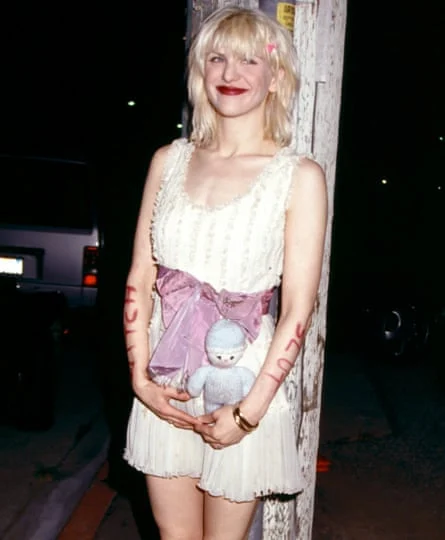
Pop sensation Olivia Rodrigo, at 23 years old, has found herself at the epicenter of a swirling online controversy, not for her chart-topping music, but for her sartorial choices, specifically her embrace of the babydoll aesthetic. The discourse, which erupted following the release of her latest music video and a subsequent live performance, has transcended mere fashion commentary, delving into broader societal discussions about female self-expression, perceived infantilization, and the policing of young women’s fashion in the digital age. This contentious moment underscores a recurring tension between artistic intent and public interpretation, amplified by the rapid-fire judgment of social media platforms.
The Genesis of the Controversy: Versailles and Barcelona Stages
The initial spark ignited last month with the premiere of the music video for Rodrigo’s recent single, "Drop Dead." In a production helmed by acclaimed director Petra Collins, known for her dreamy, hazy aesthetic, Rodrigo sauntered beguilingly through the opulent, historic rooms of the Palace of Versailles. The visual treatment, characterized by its soft-girl sensibility, drew immediate comparisons to Sofia Coppola’s 2006 film, "Marie Antoinette," which famously reinterpreted historical grandeur through a contemporary, youth-centric lens. For the video, Rodrigo donned a pastel blue, off-the-shoulder Chloé pre-fall 2026 babydoll top, delicately styled with silky bloomers peeking from underneath and pristine white pointelle knee socks. This ensemble, which Rodrigo herself has described as "Pinterest-inspired," was designed to evoke a playful, ethereal charm.
While the extravagant setting of Versailles might have suggested potential critiques regarding its accessibility during filming—potentially impacting tourists visiting the world heritage site for the day—the online backlash that swiftly followed was singularly focused on her attire. Keyboard warriors, whose authenticity as genuine users or automated bots remained a point of conjecture, quickly accused the singer of infantilizing herself and invoking a "Lolita" aesthetic, a reference to Vladimir Nabokov’s controversial novel often associated with the sexualization of minors. The intensity and specificity of the criticism immediately signaled a deeper cultural sensitivity surrounding the intersection of youth, fashion, and perceived innocence.
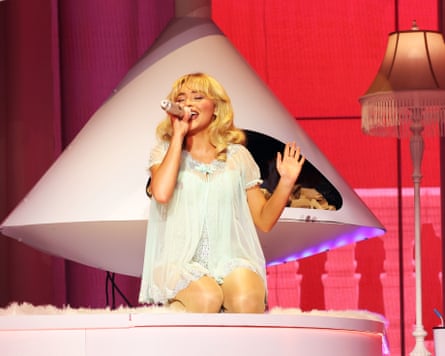
Just weeks later, the controversy was reignited and significantly amplified when Rodrigo appeared on stage in Barcelona for Spotify’s Billions Club Live concert. For this performance, she sported a strikingly similar, yet distinct, look: a pink and white floral puff-sleeve babydoll top complemented by matching ruffled bloomers from the independent brand Génération78. This "soft" aesthetic was deliberately contrasted with "severe" chunky black knee-high Dr. Martens boots, a styling choice that blended traditionally feminine elements with a touch of grunge edge.
The online response to the Barcelona outfit was immediate and explosive. Accusations of promoting a "sexy baby" or "pedo core" aesthetic proliferated across social media platforms. This wave of condemnation, however, was met with an equally vocal counter-movement of defenders who championed the singer’s right to wear whatever she chooses, framing the criticism as an unwarranted attack on female bodily autonomy and fashion expression. The dual nature of the online reaction highlighted the polarized landscape of contemporary internet discourse, where nuanced discussions often devolve into binary camps.
Defending the Aesthetic: Designer Intent and Artistic Freedom

Amidst the clamor, several key voices emerged to offer context and defense for Rodrigo’s fashion choices. Ertay Deger, co-founder of the brand Génération78, whose design Rodrigo wore in Barcelona, provided a crucial counter-narrative to the accusations of infantilization. Speaking to The Guardian, Deger firmly stated, "The babydoll silhouette was never conceived as infantilizing. For us, it sits within a long history of fashion references tied to rebellion, performance, romance, and girlhood culture. The look felt knowingly performative rather than regressive." This statement aimed to reposition the babydoll dress not as a symbol of childlike innocence, but as a garment steeped in a rich lineage of female empowerment and self-expression, often used to challenge conventional norms rather than conform to them. Deger’s perspective emphasizes the designer’s intent, highlighting the garment’s historical association with subversive cultural movements.
Olivia Rodrigo herself had previously articulated her fashion philosophy, offering insight into her personal inspirations. In an interview for her cover issue of British Vogue last month, she shared, "My Pinterest is all babydoll dresses and ’70s necklines. I want it all to feel fun and laid-back." This declaration underscores her genuine affinity for the style, suggesting that her choices stem from a personal aesthetic preference rather than a calculated attempt to provoke or infantilize. Her desire for fashion to be "fun and laid-back" appears to have been largely overlooked by an online audience quick to assign more complex and often negative interpretations.
Adding a powerful voice to Rodrigo’s defense was iconic grunge musician Courtney Love. Known for her pioneering role in the 1990s "kinderwhore" aesthetic, which famously incorporated babydoll dresses as a form of ironic subversion, Love publicly came to Rodrigo’s defense. She emphatically stated, "If y’all are sexualising this, then maybe you’re the problem… you can pry my babydoll dress from my cold dead hands." Love’s statement served as a direct challenge to the critics, redirecting the accusation of impropriety from the wearer to the observer, and asserting the babydoll dress as a symbol of personal freedom and defiance, rather than vulnerability.
A Broader Trend: The Babydoll’s Resurgence Among Pop Stars
Rodrigo is not an isolated case in embracing the babydoll aesthetic; it represents a broader trend currently circulating among contemporary pop stars and social media influencers. Sabrina Carpenter, for instance, has been seen in sheer versions of the babydoll, leaning into a retro-lingerie aesthetic that blurs the lines between innerwear and outerwear. Social media personality Addison Rae posed coyly in an understated, plain white minidress on her Instagram, demonstrating a more subtle, casual take on the style. Even Alexa Chung, a perennial indie-sleaze icon favored by Gen Z, has incorporated babydoll dresses into her wardrobe for years, showcasing its enduring appeal across various fashion subcultures. This widespread adoption suggests that the babydoll is experiencing a significant revival, prompting a re-evaluation of its cultural meanings and implications in the 21st century.
The Historical Trajectory of the Babydoll Dress: Rebellion and Freedom
To understand the current debate, it is essential to delve into the rich and often subversive history of the babydoll dress. Dr. Liza Betts, a researcher and senior lecturer in Cultural and Historical Studies at London College of Fashion, UAL, provides critical academic insight into its origins. She explains that the style can be traced back to the 1960s, a decade of profound social and cultural upheaval, where it developed in parallel with the revolutionary mini dress.
"It’s a material example of the tension experienced by women between the expected propriety that society demanded, and empowered sexual freedom and expression which was becoming more visible throughout the decade as a result of second-wave feminism," Dr. Betts states. The 1960s saw women actively challenging traditional gender roles and societal constraints, and fashion became a powerful vehicle for expressing this burgeoning liberation. The babydoll, with its short hemline and often playful silhouette, offered a departure from the more structured and conservative styles of previous eras. Dr. Betts further notes its intriguing duality: "The item is interesting because it was evidenced in both daywear and nightwear simultaneously," indicating its versatile role in both public and private spheres, subtly pushing boundaries on what was considered acceptable attire.
The babydoll dress experienced a significant resurgence in the 1990s, becoming a cornerstone of alternative culture, particularly within the "kinderwhore" aesthetic. This movement, famously championed by grunge icons like Courtney Love and Kat Bjelland of Babes in Toyland, employed the babydoll dress, often paired with ripped tights, heavy makeup, and disheveled hair, to ironically subvert and poke fun at a docile, idealized form of femininity. It was a deliberate act of reclaiming and distorting symbols of perceived innocence to make a statement about female agency, rage, and the rejection of patriarchal expectations. The "kinderwhore" look was provocative by design, using a seemingly childlike garment to express a complex, often angry, female identity that defied easy categorization. This historical context is crucial, as it demonstrates the babydoll’s long-standing association with rebellion and performance, rather than passive submission or infantilization.
Online Scrutiny and the Policing of Young Women’s Fashion
The intense scrutiny directed at Olivia Rodrigo’s fashion choices raises pertinent questions about the nature of contemporary online discourse and its impact on artistic expression, particularly for young female public figures. Gen Z, the demographic often associated with Rodrigo’s fanbase, has frequently been characterized as notably more puritanical or socially conservative compared to previous generations, particularly regarding issues of sexualization and exploitation. Indeed, society currently operates in an era where the exposed horrors of child sexual exploitation are at the forefront of public consciousness, leading to a heightened vigilance and sensitivity around any perceived connections.
However, Dr. Betts’s analysis suggests a more complex interpretation of the recent wave of outrage. She posits that this strong reaction towards a perceived sartorial perversion is "arguably a projection that serves to police the status quo of young women’s fashion, rather than a mark of genuine concern." This perspective suggests that while genuine concern about exploitation is valid, the ferocity of the online attacks might also stem from a desire to control or regulate how young women, especially those in the public eye, present themselves. It implies a subtle, perhaps unconscious, form of social policing that dictates acceptable boundaries for female self-expression through clothing.
The digital landscape, with its immediate feedback loops and viral potential, amplifies such policing. Intentions, nuances, and historical context can easily be lost in the rapid dissemination of images and opinions. Rodrigo’s stated desire for her fashion to be "fun and laid-back" starkly contrasts with the weighty accusations leveled against her, highlighting the chasm between an artist’s personal aesthetic and the public’s interpretation, particularly when viewed through the lens of online moral panic.
Evolution of Subversion: From Grunge to Global Pop
While Olivia Rodrigo may be a self-proclaimed fan of alternative music and fashion from the 1990s, her artistic persona and aesthetic presentation differ significantly from the raw, unpolished ethos pioneered by the punk and grunge figures of decades past. As a pop girl who began her career as a Disney Channel child star, her pastiche take on the babydoll aesthetic is arguably more prim and polished than Courtney Love’s ripped hemlines, messy bed hair, and deliberately provocative performances. Rodrigo’s interpretation often integrates a cleaner, more curated version of "soft girl" aesthetics, reflecting a contemporary approach to youth culture that values both individuality and a certain level of aspirational perfection.
Yet, as the recent controversy demonstrates, even the most tame and sanitized style choices can become fodder for the "vultures of controversy" in the current online climate. The mere silhouette or historical association of a garment can trigger intense debate, regardless of the wearer’s intent or the garment’s contemporary styling. This underscores a persistent challenge for public figures navigating an increasingly scrutinized world, where fashion choices are rarely just about clothing but become symbols loaded with complex social, cultural, and political meanings. The ongoing discussion around Olivia Rodrigo’s babydoll dresses serves as a potent reminder of the power of fashion to provoke, inspire, and ignite conversations that extend far beyond the runway or the stage, reflecting deeper anxieties and evolving perceptions of femininity and self-expression in the digital age.