Danny Garick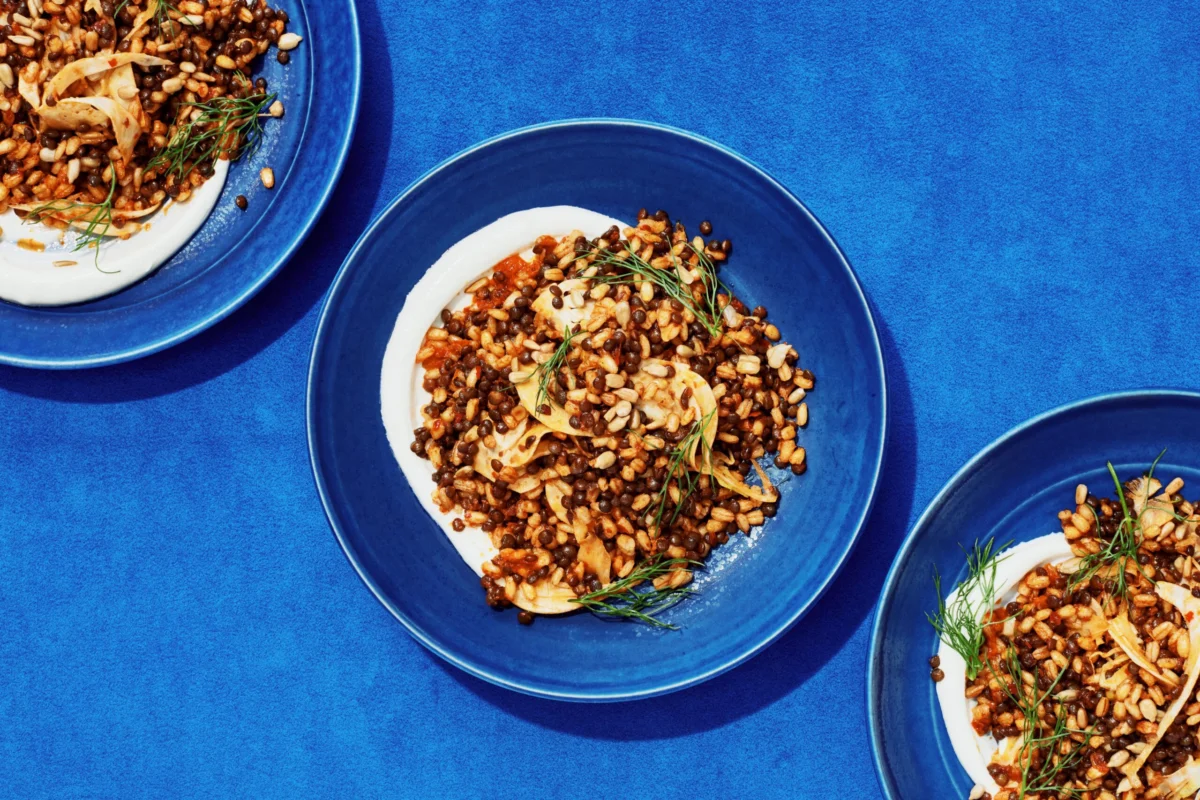
The American dietary landscape is currently undergoing a significant paradigm shift as nutritional experts and culinary professionals pivot their focus from protein-heavy regimens toward the critical importance of dietary fiber. While the wellness industry has long prioritized protein as the primary driver of satiety and muscle synthesis, a growing body of clinical evidence suggests that the "fiber gap"—the discrepancy between recommended and actual intake—represents one of the most pressing public health challenges in the United States. Recent data indicates that approximately 95% of Americans fail to consume the recommended daily amount of fiber, a deficiency that has profound implications for metabolic health, digestive efficiency, and the prevention of chronic diseases.
The Biological Necessity of Non-Digestible Carbohydrates
Dietary fiber, a plant-derived carbohydrate that the human body cannot fully digest or absorb, was once dismissed as "roughage" with little nutritional value. However, modern gastroenterology has reclassified it as a cornerstone of gut health. Unlike fats, proteins, or other carbohydrates, fiber passes relatively intact through the stomach and small intestine into the colon. Here, it serves as a primary fuel source for the gut microbiome—the trillions of bacteria that regulate immune function, mood, and inflammation.
The relationship between fiber and protein is particularly symbiotic. While high-protein diets are effective for tissue repair and satiety, they can often lead to gastrointestinal stagnation if not balanced with adequate plant matter. Fiber acts as a kinetic regulator, ensuring that the digestive tract maintains consistent movement. Furthermore, fiber plays a crucial role in regulating the absorption of other nutrients, preventing rapid spikes in blood glucose and facilitating a more efficient uptake of amino acids.
A Chronology of the American Fiber Deficit
The current fiber crisis is not an accidental occurrence but the result of a century-long evolution in food processing and dietary trends. In the early 20th century, the American diet was naturally rich in whole grains, legumes, and seasonal produce. However, the industrialization of the food supply chain in the post-war era led to the widespread adoption of refined grains. The milling process, designed to increase shelf life and improve texture, systematically removed the bran and germ from wheat, rice, and barley—the very components where fiber is concentrated.
By the 1970s and 1980s, the "Low-Fat" movement further distorted nutritional priorities, often replacing healthy fats with refined sugars and low-fiber starches. This was followed by the "Protein Revolution" of the late 1990s and early 2000s, exemplified by the Atkins and Paleo diets. While these movements correctly identified the dangers of refined sugars, they often marginalized complex carbohydrates, including high-fiber grains and legumes.
In the 2020s, the "Gut Health Revolution" has emerged as a corrective measure. Scientists now understand that the lack of fiber is a leading contributor to the rise in obesity, type 2 diabetes, and colorectal cancers. This historical trajectory has led culinary innovators to seek ways to reintegrate fiber into the modern palate without sacrificing flavor or convenience.
Technical Culinary Solutions: The Case for Hulled Barley and Lentils
To address the fiber deficit, culinary experts at organizations like the Bon Appétit Test Kitchen are advocating for the use of "fiber heavy-hitters"—specifically hulled barley and lentils. These ingredients represent a gold standard in nutritional density, offering a combination of soluble and insoluble fiber alongside plant-based protein.
The Superiority of Hulled vs. Pearled Barley
From a technical perspective, the choice of grain is paramount. Barley is typically available in two forms: hulled and pearled.
- Hulled Barley: This version is considered a true whole grain. Only the outermost inedible husk is removed, leaving the bran and germ intact. Consequently, hulled barley contains nearly double the fiber content of pearled barley and possesses a lower glycemic index.
- Pearled Barley: This grain has been "polished" to remove the bran layer. While it cooks faster and has a softer texture, it loses a significant portion of its micronutrients and fiber during processing.
While hulled barley requires a longer cooking time—often exceeding 40 to 60 minutes—culinary professionals suggest a simple overnight soak to hydrate the grain, effectively reducing active cooking time by half without compromising the grain’s structural integrity or nutritional profile.

The Role of Legumes
Lentils serve as the ideal partner to barley in a high-fiber regimen. As a member of the legume family, lentils provide a dense source of prebiotic fiber, which feeds beneficial gut bacteria. Their ability to maintain a firm, "al dente" texture makes them suitable for warm salads, where they can absorb dressings without becoming mushy. This structural resilience is essential for creating "craveable" healthy meals that move away from the unappealing textures often associated with health food.
Flavor Engineering: The Integration of Harissa and Aromatics
The transition to a high-fiber diet often fails due to a lack of palatability. To counter this, modern recipes are utilizing high-impact flavor agents like harissa—a North African chili paste. By caramelizing harissa in olive oil before incorporating it into a salad, cooks can unlock deep, smoky umami notes that complement the earthiness of grains and legumes.
The addition of raw, crunchy elements like sliced fennel and sunflower seeds provides a necessary textural contrast to the chewy grains. Fennel, in particular, offers more than just flavor; it contains anethole, a compound known for its anti-inflammatory and digestive benefits, further supporting the goal of gastrointestinal wellness. The use of a Greek yogurt base adds a probiotic element, creating a symbiotic dish where the prebiotics in the fiber feed the probiotics in the yogurt.
Supporting Data: The Impact of High-Fiber Interventions
Quantitative analysis supports the shift toward fiber-centric eating. Clinical studies published in The Lancet suggest that for every 8-gram increase in dietary fiber consumed daily, the risk of heart disease, type 2 diabetes, and colon cancer decreases by 5% to 27%. Furthermore, fiber-rich diets are associated with lower body weight and lower cholesterol levels.
In the context of the proposed barley and lentil salad, the nutritional breakdown is significant. A single serving of such a dish can provide between 12 and 15 grams of fiber—nearly 50% of the daily recommended intake for adults (which is 25 grams for women and 38 grams for men). By consolidating these nutrients into a single, flavorful meal, the barrier to entry for healthy eating is significantly lowered.
Expert Reactions and Public Health Implications
Nutritionists and public health officials have largely lauded the move toward "craveable" high-fiber recipes. Dr. Nicola Segata, a leading researcher in the human microbiome, has noted that dietary diversity is the single most important factor in maintaining a healthy gut. By moving away from "fiber powders" and toward whole-food sources like barley, lentils, and seeds, consumers are obtaining a broader spectrum of phytonutrients that supplements cannot replicate.
The broader implications of this trend extend to the healthcare system. The chronic diseases associated with low fiber intake—specifically metabolic syndrome and digestive disorders—cost the U.S. healthcare system billions of dollars annually. Encouraging a "fiber-first" culinary approach is increasingly viewed as a viable preventative medicine strategy.
Future Trends in Nutritional Culinary Arts
As the "fiber is the new protein" movement gains momentum, we can expect to see several shifts in the food industry:
- Ancient Grain Resurgence: Increased demand for less-processed grains like farro, teff, and hulled barley in mainstream grocery stores.
- Functional Menu Design: Restaurants adopting "fiber-forward" sections on their menus, highlighting the grams of fiber alongside traditional calorie counts.
- The Rise of Savory Yogurt: The use of Greek yogurt as a savory base for salads and grains, replacing traditional cream-based or high-sugar dressings.
The focus on fiber represents a maturation of the wellness industry. It moves beyond the simplistic "low-carb" or "high-protein" mantras of the past toward a more nuanced understanding of human biology. By combining the rigorous science of the gut microbiome with sophisticated culinary techniques, the goal of reaching 100% fiber adequacy for the general population becomes a reachable milestone rather than a statistical impossibility.
In conclusion, the movement spearheaded by culinary editors and nutritionists to make fiber "craveable" is more than a trend; it is a necessary evolution. Through the strategic use of whole grains like hulled barley, the protein-fiber synergy of lentils, and the bold flavors of the global pantry, the American diet may finally begin to bridge the gap between nutritional requirement and daily reality. The result is a more resilient population, a more efficient digestive system, and a culinary landscape that values both health and hedonism in equal measure.